One decision that shapes everything else
People shopping for IBCs usually start with size and price. Those matter, but the material decision underneath them shapes cost, chemical fit, cleanability, and service life more than any other single choice. A composite tote and a stainless tote can both hold 275 gallons, and they could hardly be more different in what they cost, what they can carry, and how long they last.
I have sold all three for years. None is best. Each is best for something. The trick is matching the material to the product, the duty cycle, and how long you intend to keep it.
The cheapest tote to buy is rarely the cheapest tote to own. Material is where that gap opens up.
The three contenders
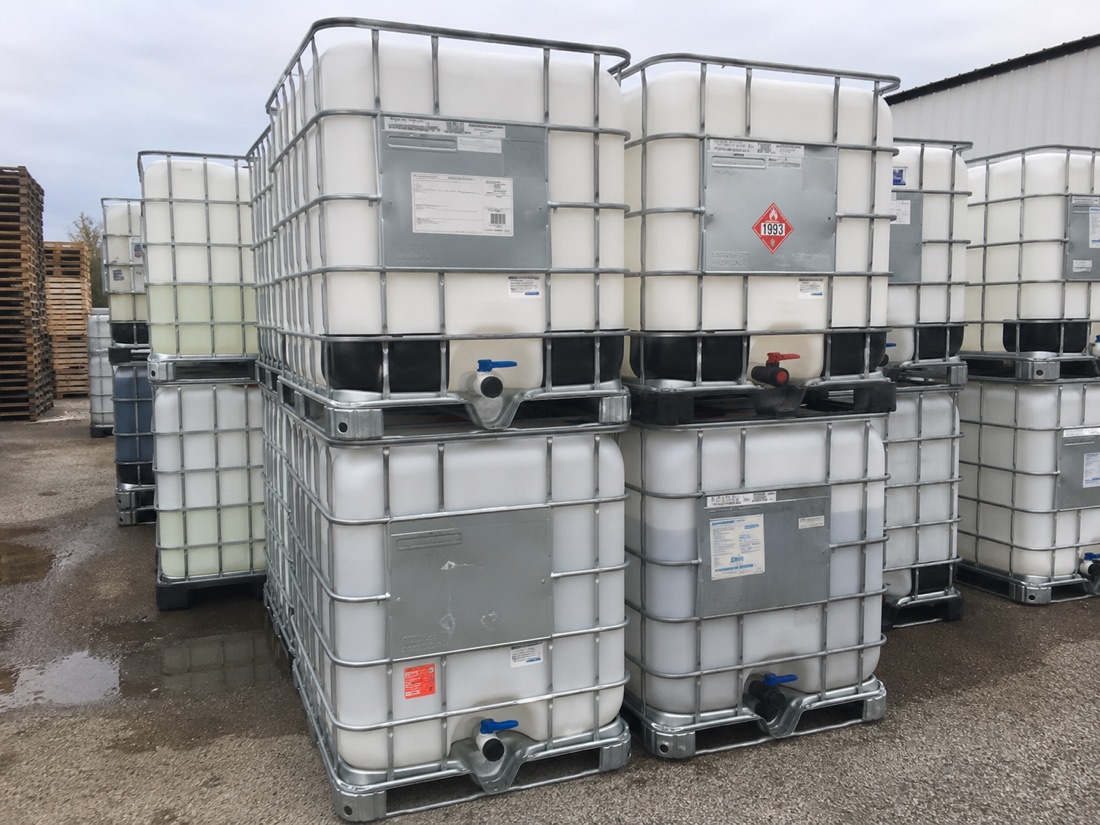
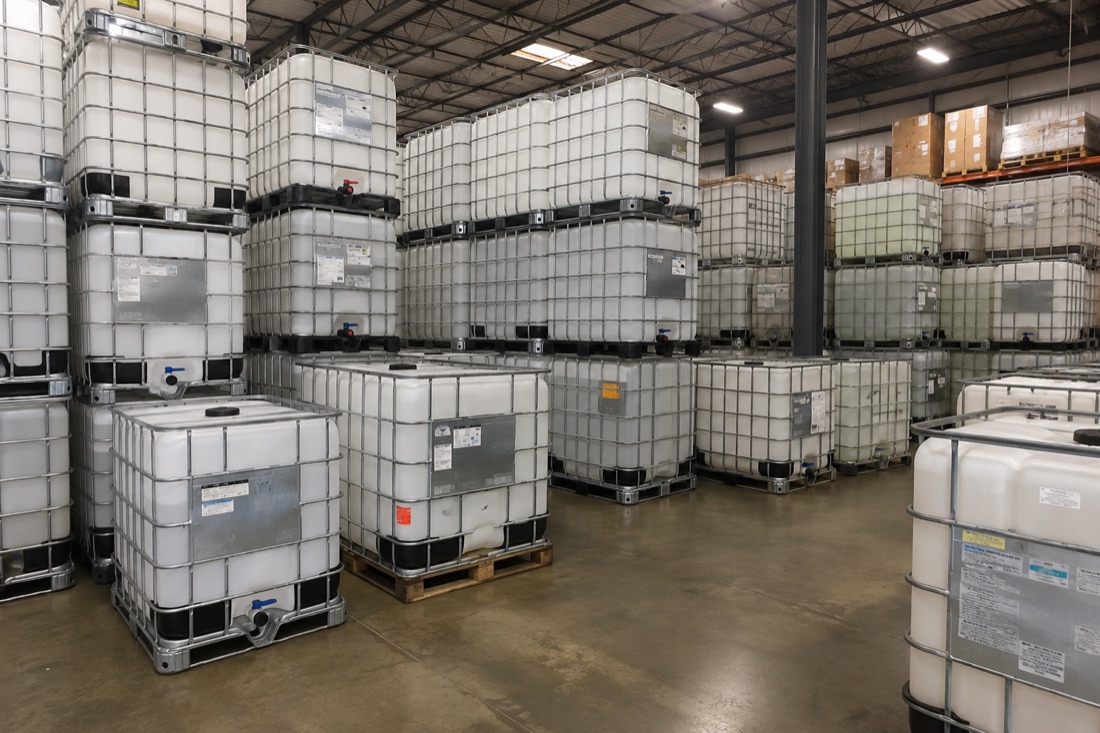
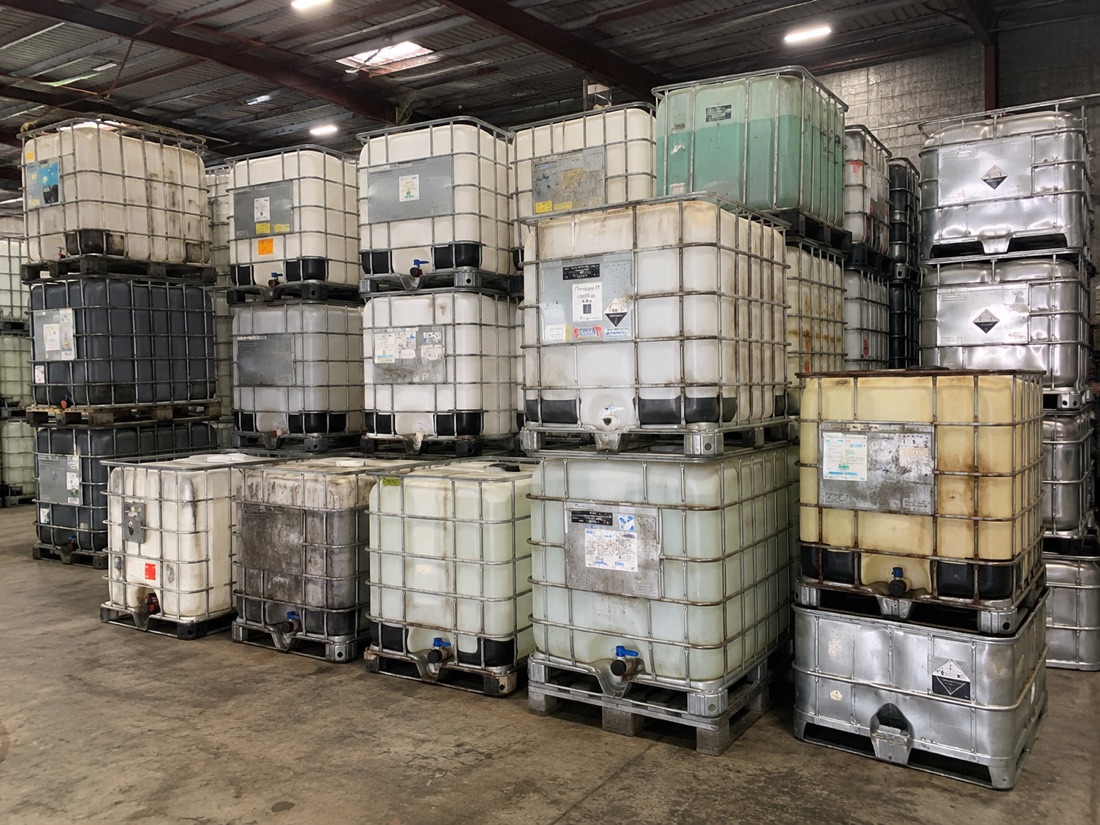
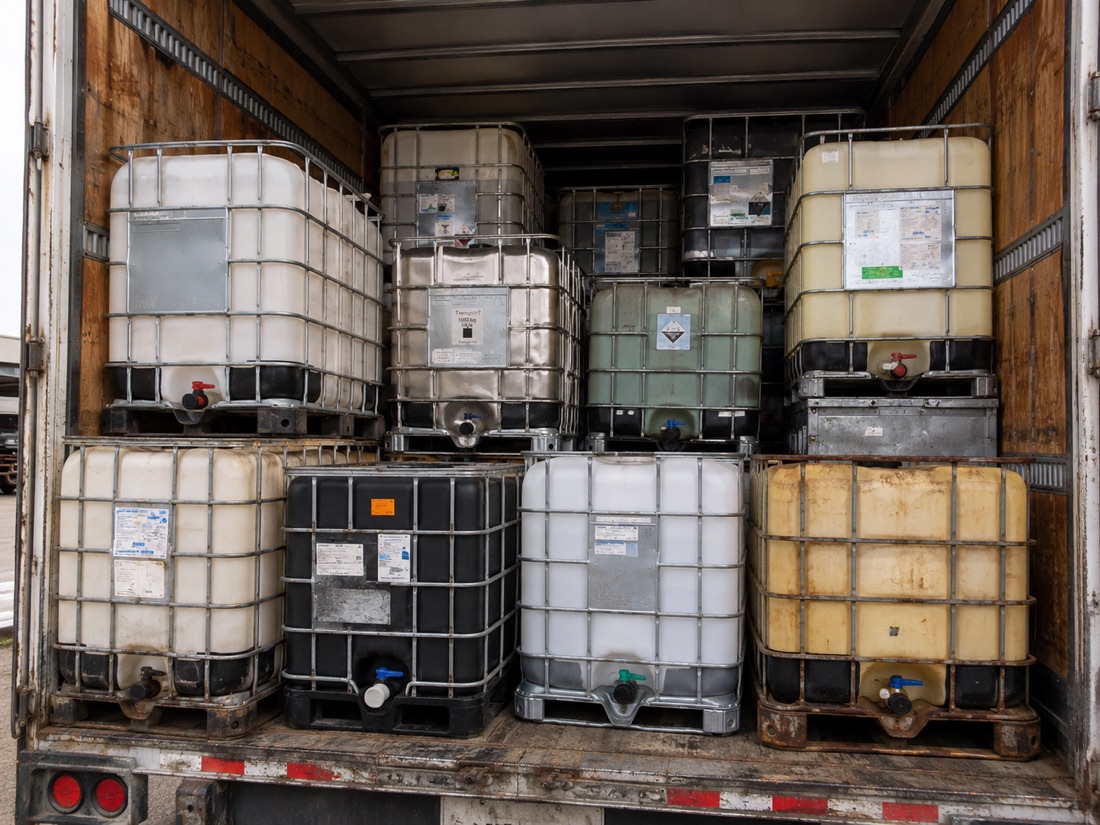
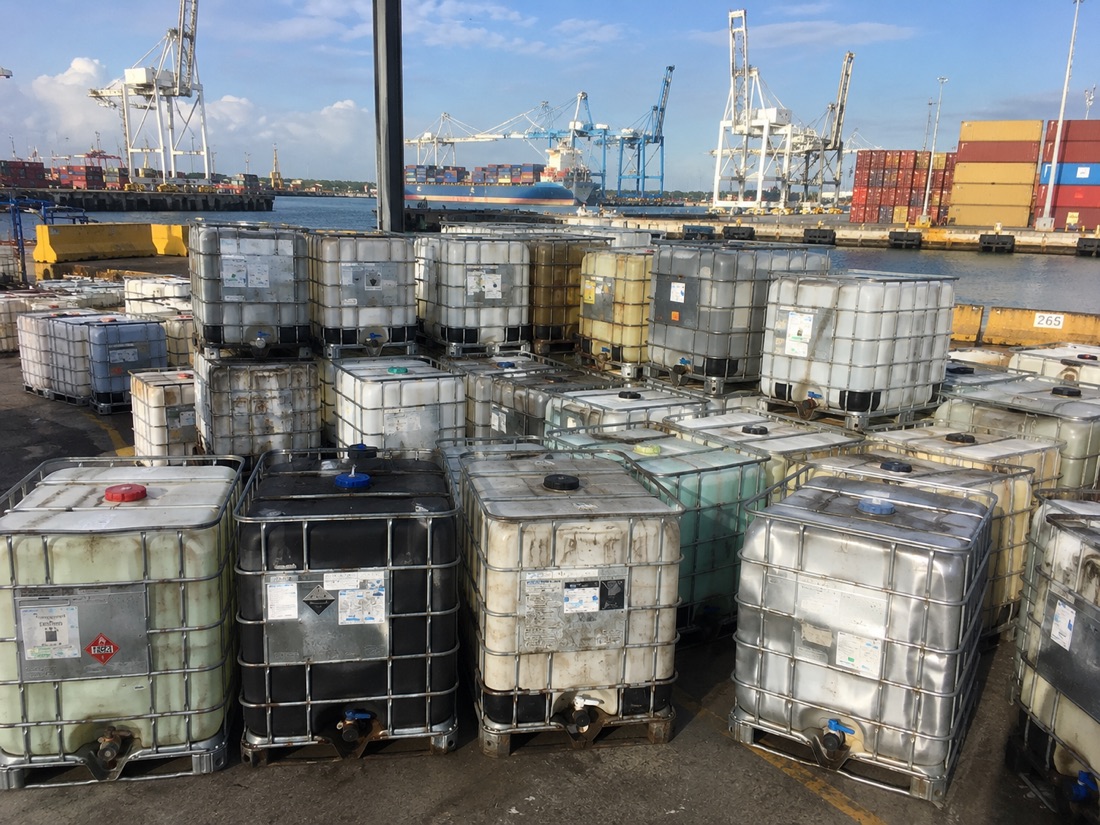
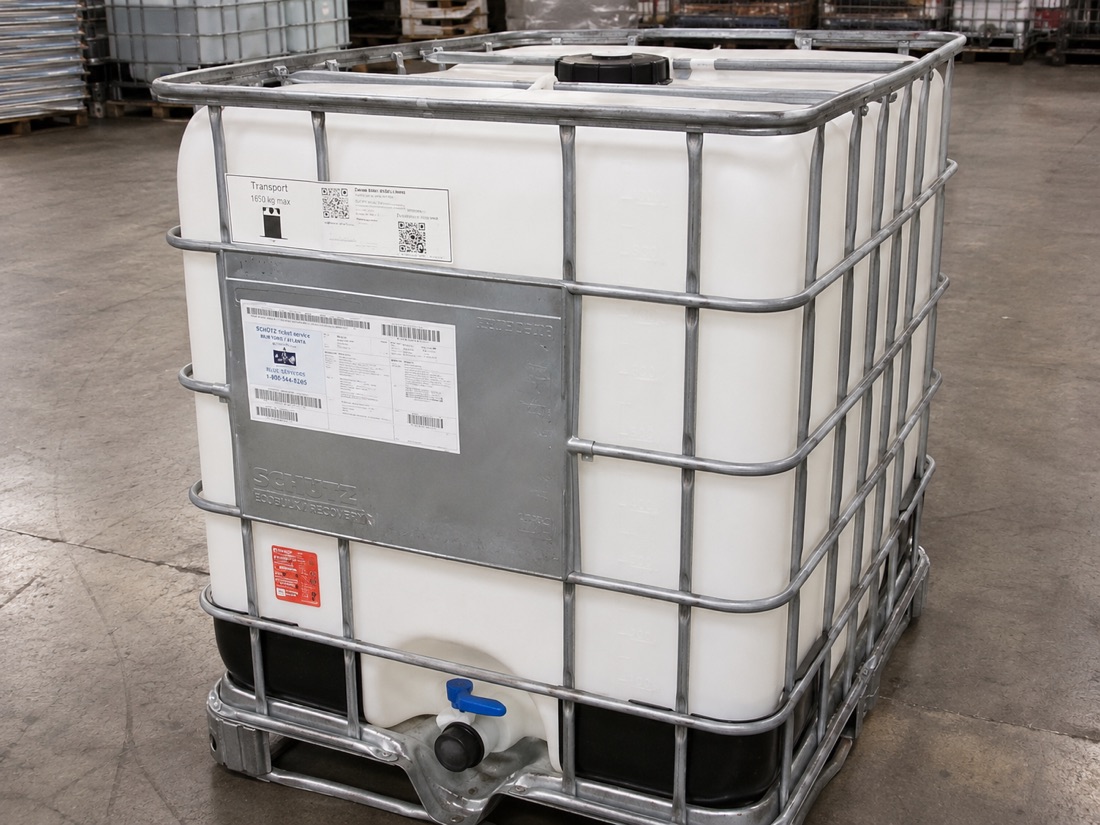
Composite (HDPE bottle in a steel cage). The workhorse of the industry and the default for good reason. A plastic bottle inside a galvanized steel cage on a pallet. Light, inexpensive, chemically versatile, and easy to inspect because you can see through the bottle.
Stainless steel. A rigid metal vessel, usually 304 or 316 stainless. Expensive up front, essentially permanent, and unmatched for aggressive chemistry, high temperatures, sanitary duty, and pressure applications.
Carbon steel. A rigid metal vessel without stainless's corrosion resistance, typically lined or coated. Cheaper than stainless, tougher than composite, and common for petroleum products, adhesives, and viscous materials that do not attack the steel.
Side by side
The trade-offs are easiest to see in a table.
| Factor | Composite | Stainless | Carbon steel |
|---|---|---|---|
| Up-front cost | Lowest | Highest | Middle |
| Service life | Years, with reconditioning | Decades | Long, if lining holds |
| Chemical range | Broad, HDPE-limited | Widest | Narrower, coating-dependent |
| Temperature | Modest | High | Moderate to high |
| Weight (empty) | Light (~130 lb) | Heavy | Heavy |
| Cleanability | Good | Excellent, sanitary | Fair, lining-dependent |
| Inspectability | See-through bottle | External only | External only |
| Best for | General liquids, high turnover | Aggressive, hot, sanitary | Petroleum, viscous, rugged |
When composite wins
Composite is the right answer for the majority of liquid-handling operations, and not just because it is cheap.
- You handle a variety of water-based or mild chemical products. HDPE gets along with a huge range of common industrial and food-grade liquids.
- You value seeing your inventory. The translucent bottle lets you gauge fill level and spot sediment or separation at a glance. No metal tote offers that.
- Your totes turn over often. When containers cycle in and out constantly, light weight and low replacement cost matter more than permanence.
- You want a reconditioning path. Composite units are cleaned, tested, and re-graded easily, which is exactly why our reconditioned IBC totes are overwhelmingly composite.
The limits are real, though. HDPE softens with heat, is attacked by certain solvents, and degrades under long UV exposure. For those cases you go to metal.
When stainless earns its price
Stainless costs several times what composite does, and for the right duty it is worth every dollar.
- Aggressive chemistry. Strong acids, solvents, and oxidizers that would swell or crack HDPE leave 316 stainless unbothered.
- Sanitary and food-grade processing. Stainless cleans to a truly sanitary finish, handles clean-in-place cycles, and does not harbor residue. Food, pharma, and cosmetics live here.
- Heat and pressure. Hot fills, steam cleaning, and light pressure duty are routine for stainless and off-limits for composite.
- Multi-decade service. A stainless tote is effectively a capital asset. Spread across twenty-plus years, its cost per year can beat a composite that gets replaced repeatedly.
When carbon steel fits
Carbon steel occupies a specific and useful middle ground.
- Petroleum and oil products that do not corrode steel and would slowly attack plastic.
- Adhesives, resins, and viscous materials where a rugged, rigid vessel and easy heating help discharge.
- Rough environments where a metal tote survives handling that would crack a bottle.
The catch is corrosion. A carbon steel tote lives and dies by its lining or coating. Once the interior surface is compromised, rust contaminates the product and eats the vessel. Inspection of the lining is the whole maintenance story for carbon steel.
A decision framework
Work through four questions in order and the material usually picks itself.
- What does the product do to the container? Check chemical compatibility first. It can eliminate a material outright before cost ever enters the conversation.
- How hot, and any pressure? Heat and pressure push you toward metal.
- How long will you keep it, and how often does it cycle? High turnover favors composite; long-term dedicated service favors metal.
- What is total cost over the service life, not the sticker? Divide purchase plus maintenance by years of use and the comparison often surprises people.
If you are sizing as well as choosing material, our sizes page lays out the common capacities, and our calculator helps you translate volume needs into a tote count. When the answer comes back composite, which it does for most buyers, we can put a tested, graded unit on a truck the same week. Talk to us through contact and we will help you match material to product before you spend a dollar on the wrong tote.