EcoIBC USA
Our Story

We started with a problem nobody wanted to own.

EcoIBC USA began in 2013 in Austin, Texas, when a load of used IBC totes headed for the landfill became the first inventory of a company built on one idea: a container engineered to last for years should not die after one trip.

Request a Quote

Get Your Free Quote

Buying, selling, or just curious what your totes are worth? Tell us what you need — we reply within one business day.

US/Canada format, e.g. (512) 555-0123
US ZIP (78744) or Canadian postal (M5V 2T6)
No spam. Email only — we don't even have a phone.
The Origin

One box truck, one pallet, one obvious waste.

In 2013 our founder was standing in a chemical blender's yard on the east side of Austin, watching a forklift stack perfectly good composite IBC totes into a dumpster. Each one was thick HDPE inside a galvanized steel cage — hundreds of pounds of engineered material, rated for thousands of cycles, being paid to be buried after a single use.

We bought that pallet. We rinsed the totes in a rented bay, and we sold them to a farm ten miles away that needed water storage. The margin was real, but the lesson was bigger: the "waste" was the inventory. A used tote isn't second best — it's a second life for a container that was never meant to have just one.

That first pallet turned into routes, then a wash line, then a nationwide freight network. But the thesis never changed. Everything we've built since is just a bigger version of that dumpster rescue.

Where We Are Now

From a single pallet to a nationwide loop.

A decade of buying, reconditioning, and moving totes — measured the only way that matters to us: by what stayed in service instead of the landfill.

2013
Founded in Austin, TX
180K+
Totes kept in circulation
50
States served, coast to coast
9M lbs
HDPE & steel diverted

Cumulative program estimates based on average tote weight. See the full sustainability methodology.

Mission & Values

Three commitments we can be held to.

We don't treat sustainability as a marketing layer bolted onto a shipping company. It is the entire reason the company exists. That belief resolves into three values we can actually be measured against.

01

Reuse first

The highest form of recycling is not recycling at all — it's keeping a container in service. Before a tote is ever ground into flake, we ask whether it can be washed, rebottled, re-caged, and sold again. New manufacturing is the last resort, not the default.

How we recondition →
02

Radical transparency

We grade totes honestly, we publish our impact methodology, and we let you run the environmental math yourself in a live tool. No vague "eco" claims we can't back with a number and a source assumption.

Read the methodology →
03

Zero-landfill goal

Every tote that enters our yard should leave it as a reused container or as recycled HDPE feedstock — never as buried waste. We're not at a perfect zero yet, and we'll tell you exactly where the gaps are.

See our services →
The Ethos

Why a used tote matters more than a new one.

A composite IBC is one of the most over-engineered objects in ordinary industry. The bottle is blow-molded from thick high-density polyethylene and rated for thousands of pressurized cycles. The cage is welded, galvanized steel. The pallet base is built to take a fully loaded forklift. All of that embodied carbon and material is spent making a container that could serve for a decade.

When that tote is thrown away after one fill, none of that engineering is recovered — it is simply buried. The tragedy of the single-use tote isn't the plastic alone; it's throwing away a machine that still works.

Reconditioning recovers almost all of it. Washing, testing, and re-bottling a tote uses a small fraction of the energy of building a new one, and the result performs to the same specification. So the used tote isn't the compromise — the new tote is the expensive one, in dollars and in carbon.

That inversion is the whole company. We exist to make the reused tote the obvious, easy, cheaper choice, so that reuse wins on the merits and not just on principle.

  • Rated for thousands of cycles
  • ~90% less embodied energy vs. new
  • Same UN / DOT ratings available
Milestones

How the loop got built.

No overnight success story — just a decade of adding one more link to the chain until the whole circle closed.

2013

A pallet of empties in East Austin

Founded on Burleson Road with one box truck and a handful of used 275 gallon totes bought off a local blender who was paying to have them landfilled. We cleaned them, resold them to a nearby farm, and realized the waste stream was the business.

2015

Our first wash line

Added a triple-rinse and pressure-test bay so we could grade totes honestly instead of selling them as-is. Reconditioning became a service, not a workaround.

2017

Reverse logistics goes regional

Started running scheduled pickup routes across Texas and the Gulf Coast, paying cash for empties. Collecting totes at scale is what makes reuse possible — you cannot resell what you cannot recover.

2019

Nationwide freight network

Partnered with LTL and full-truckload carriers to buy, sell, and haul totes to any ZIP in the lower 48. A tote retired in Ohio could now find its second life in California.

2021

Food-grade certification program

Built a segregated food-safe wash and documentation process so previously food-only totes could be verified for edible and potable reuse — the highest-value second life a tote can have.

2023

The Impact Ledger

Published our methodology and launched the live Eco Calculator so customers could see the plastic, steel, water, and CO2e their reuse decisions actually save. Radical transparency, made countable.

Today

A closed loop, coast to coast

We buy, sell, recondition, and haul across all 50 states — and we recycle the HDPE that finally reaches end of life so almost nothing hits the landfill. The loop we started with one truck now turns nationwide.

The People

Yard people, not brand people.

Our team is graders, wash-line operators, dispatchers, and freight coordinators. The people who tell you a tote is Grade B are the same people who washed it. We don't have a sustainability department that writes reports while a separate crew ships plastic — the crew shipping the plastic is the sustainability program.

That's also why we'd rather quote you an honest grade and lose the sale than oversell a tote. A reputation for straight grading is worth more than any single order, and it's the only way a reuse market actually works.

What you can expect from us

  • Honest grading, every time
  • Quotes back within one business day
  • Cash for your empties, not excuses
  • Published environmental math
  • Nationwide pickup and delivery
Our Methodology

How we decide a tote's next life.

A reuse market only works if the grading is honest. Every tote that enters our yard gets sorted by what it actually is, not by what would sell fastest. That discipline is the difference between a resale yard and a circular operation.

Intake before anything else

We log prior contents first. A tote that held a food-safe syrup and a tote that held an industrial solvent take completely different paths — the first is a candidate for our segregated food-grade line, the second is routed to compatible industrial reuse or, if it can't be cleaned to spec, to recycling. Nothing is upgraded past what its history allows.

Wash, test, then grade — in that order

Totes are triple-washed and pressure-tested before a grade is assigned, so the grade reflects a cleaned, verified container rather than a hopeful guess. A cracked or UV-degraded bottle gets re-bottled inside its existing steel cage rather than scrapping the whole unit — reuse extends even to the parts.

Recycle only when reuse is exhausted

When a tote genuinely can't serve again, its HDPE is shredded to flake and its galvanized cage is scrapped for melt. That's the last rung of the hierarchy, and we treat it as a failure to reuse — not a routine outcome. The full environmental accounting lives on our sustainability page.
Community & Ecology

Commitments beyond the invoice.

The loop isn't only about the totes that pass through our yard. It's about the water reuse, the local jobs, and the waste we help other people avoid.

Water reuse

Cheap totes, more harvesting

Affordable reused totes are the backbone of rainwater harvesting, farm irrigation, and emergency water caching. Keeping totes cheap and available directly enables more water reuse downstream — an environmental win that compounds past our own gate.

Upcycling

Second lives, not scrap

Totes too worn for liquid service still become rain barrels, planters, and workshop stations rather than landfill. See what we build in upcycled goods and the ideas in tote uses & upcycling.

Local & regional

Routes that recover

Our scheduled pickup routes pay yards for empties they'd otherwise pay to discard, turning a regional waste stream into recovered inventory — and keeping the recovery work close to where the totes are.

Setting The Record Straight

What people assume about used totes — and what's true.

Myth

Reconditioned means lower quality.

Fact: A properly reconditioned tote meets the same UN / DOT ratings as new. It is the same engineered container, washed and verified — at a fraction of the cost and footprint.

Myth

Used totes cannot be food-safe.

Fact: Totes that previously held only food-safe products are washed on a segregated line and certified for edible and potable use. Food-grade is the highest-value second life a tote can have.

Myth

Buying new is greener because it is clean.

Fact: The opposite. Most of a new tote’s carbon is embodied in manufacturing. Reuse avoids that footprint entirely — the greenest tote is the one that already exists.

Myth

Selling empties is not worth the hassle.

Fact: We run scheduled routes and pay cash. What you were paying to landfill becomes a check and a pickup — usually quoted within one business day.

Reduce · Reuse · Recycle

Put a used tote back to work.

Whether you're buying reconditioned totes, selling your empties, or just curious about the impact — it starts with one form.

Contact Us
Straight From the Yard

Real totes. A real loop. 7000 Burleson Rd.

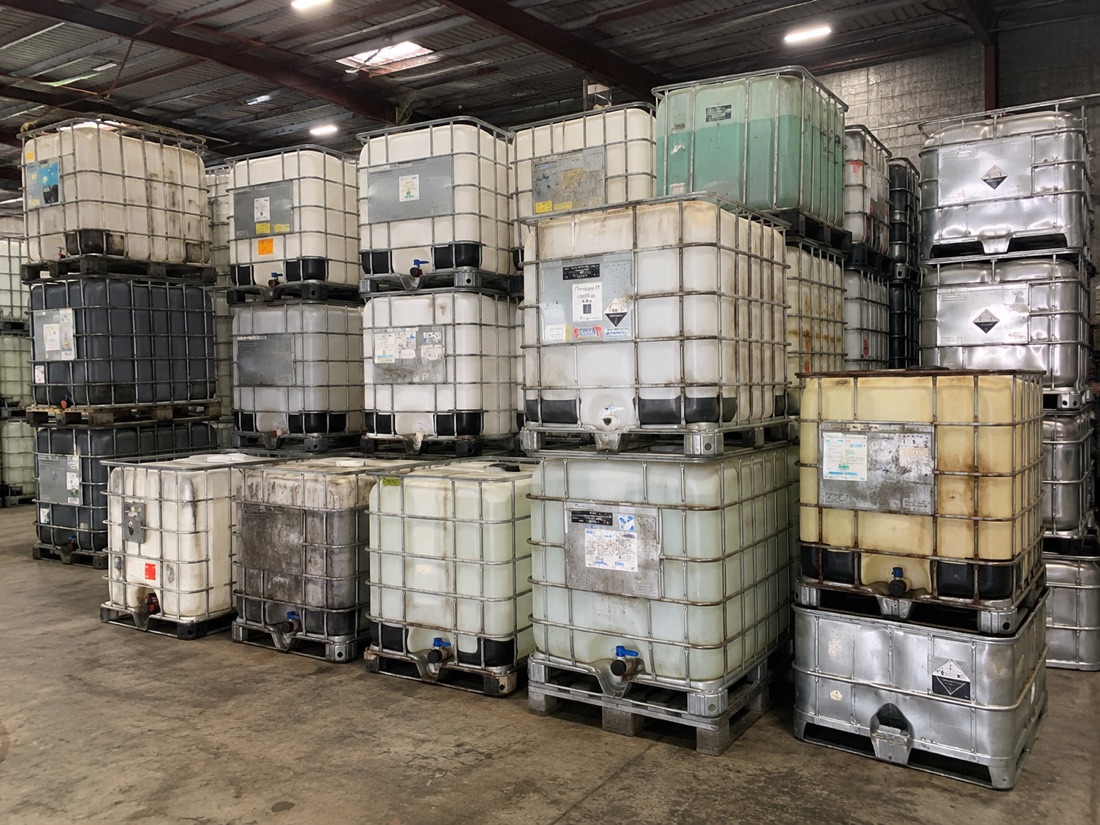
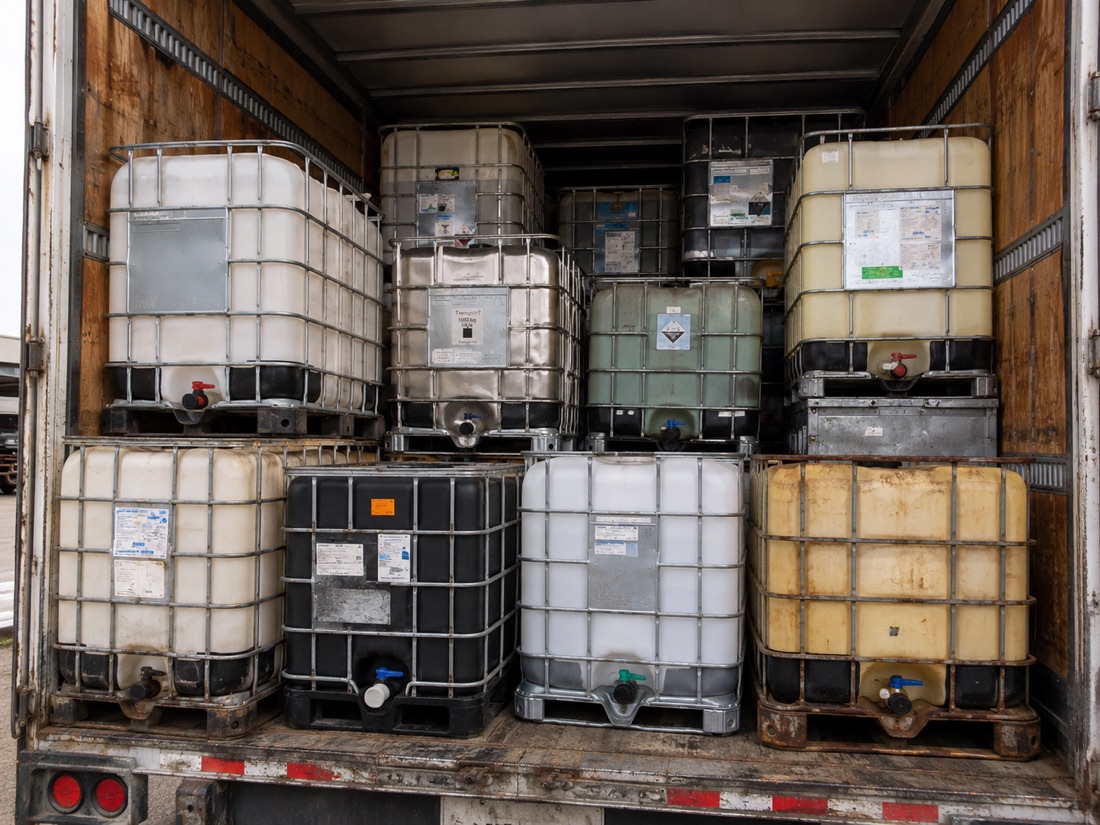
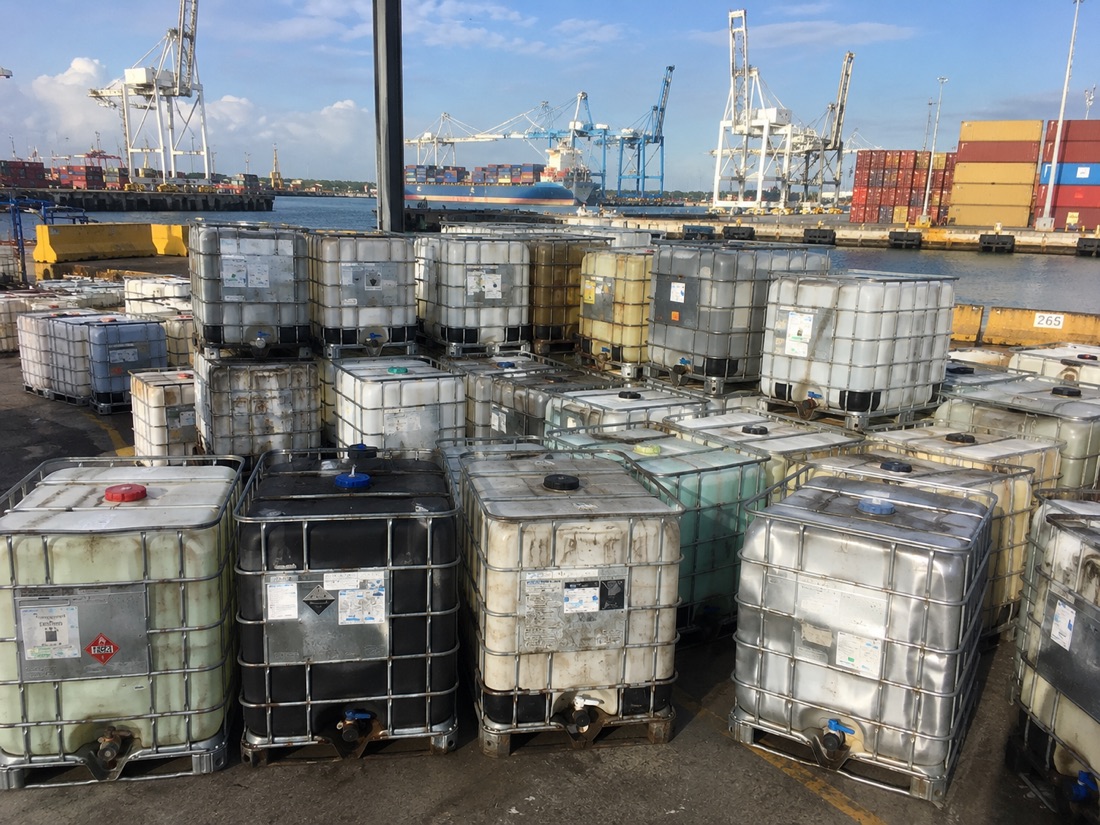
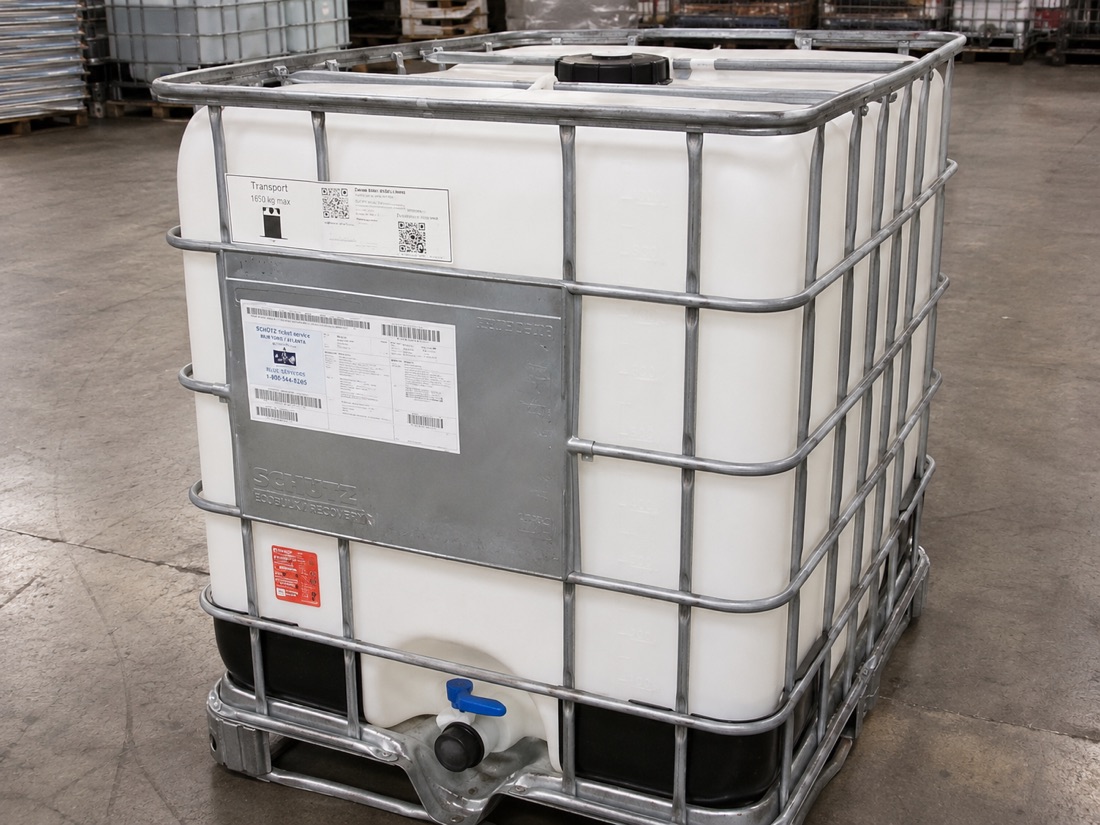
A look inside our Austin operation — buying, grading, reconditioning, and loading IBC totes for reuse across all 50 states.

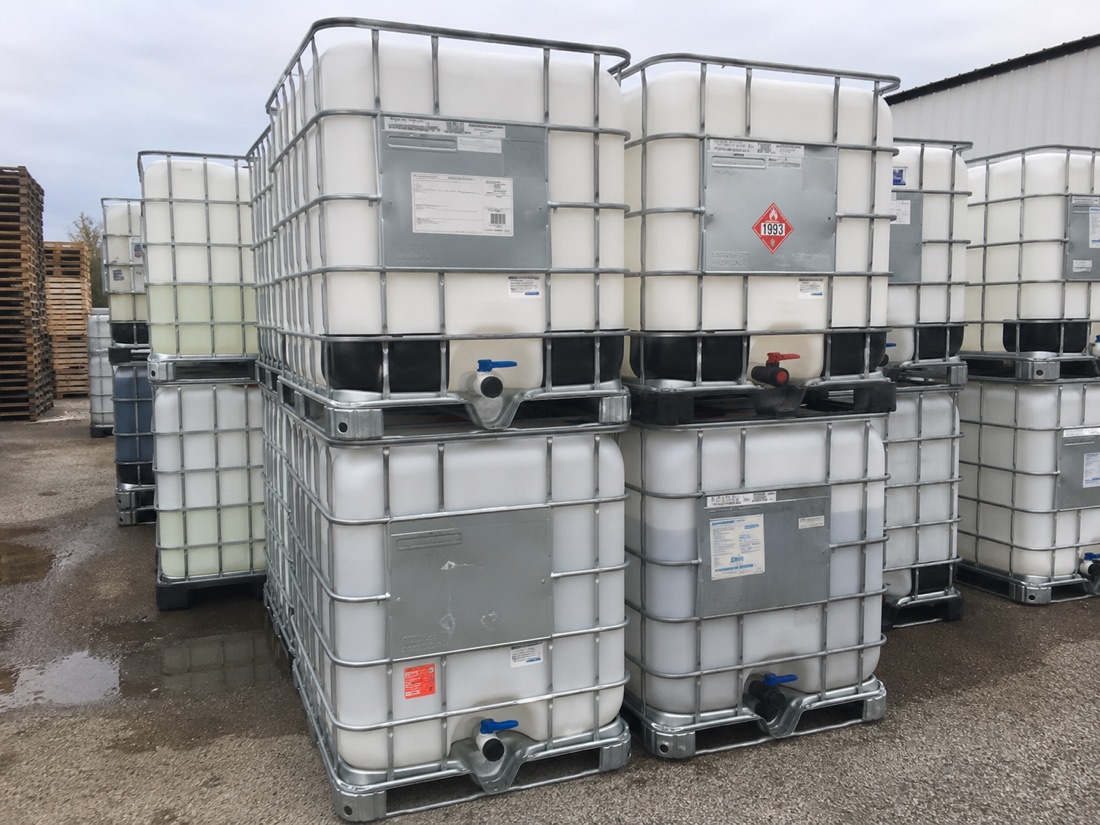
The Yard
Reconditioned totes, washed and staged for pickup
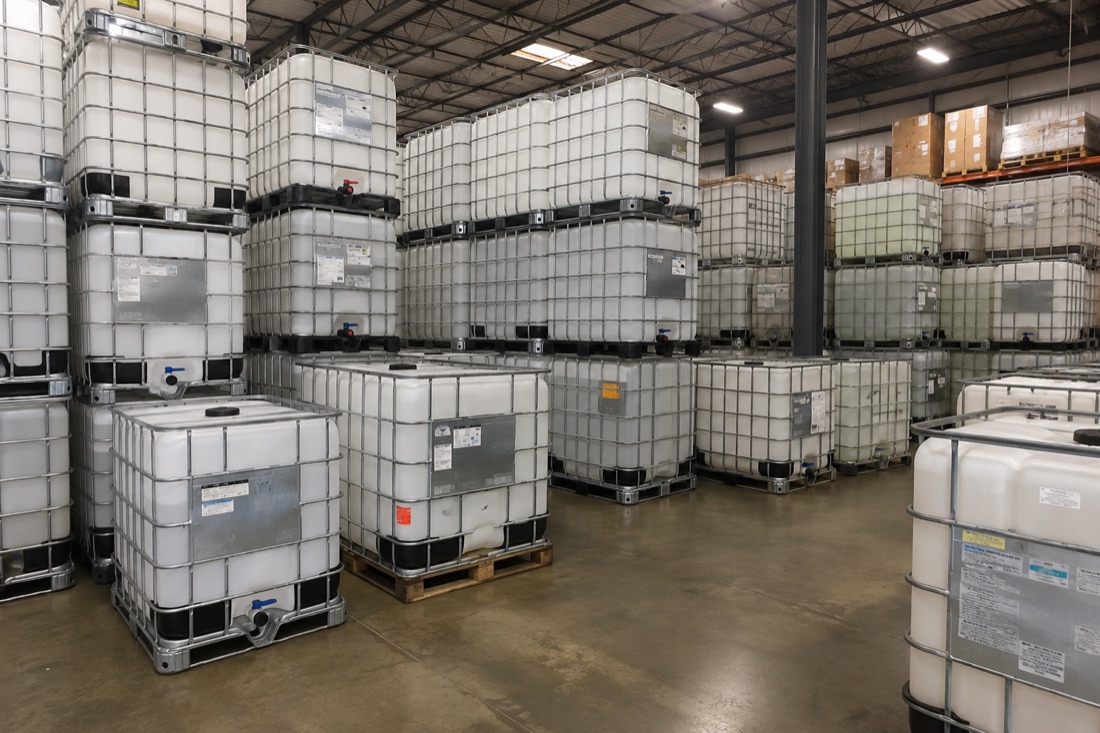
Inventory
Inside the warehouse — graded stock, ready to ship
Grades
Every grade, from food-safe to as-is, sorted by condition
Logistics
Palletized and loaded for nationwide freight
Nationwide
Bulk lots moving coast to coast
Quality
A single composite IBC, inspected and cleared for reuse