Freight MathDimensional weight, explained for totes.
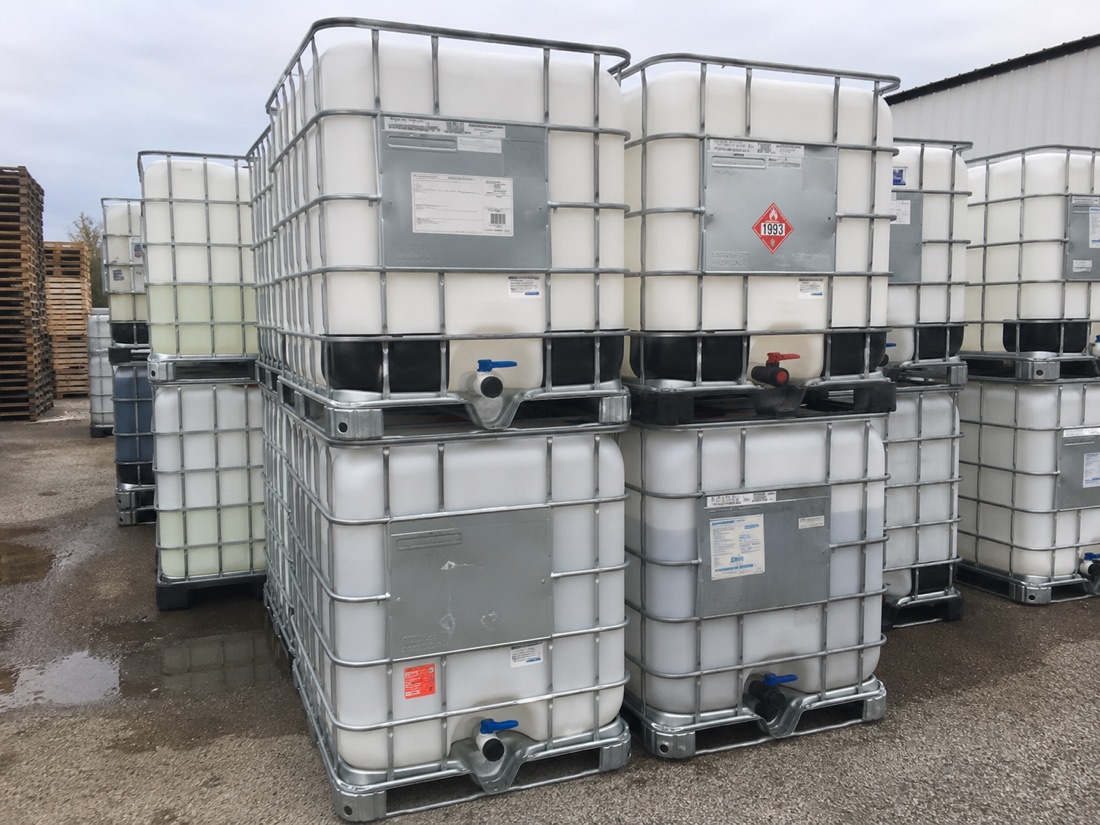
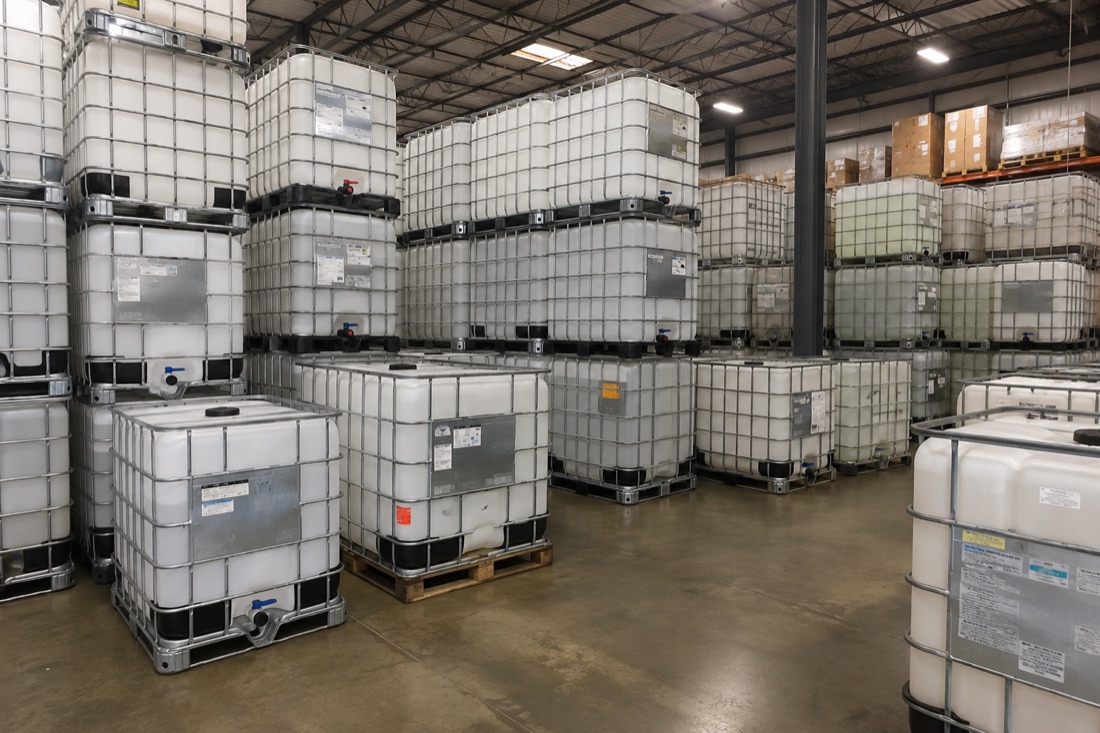
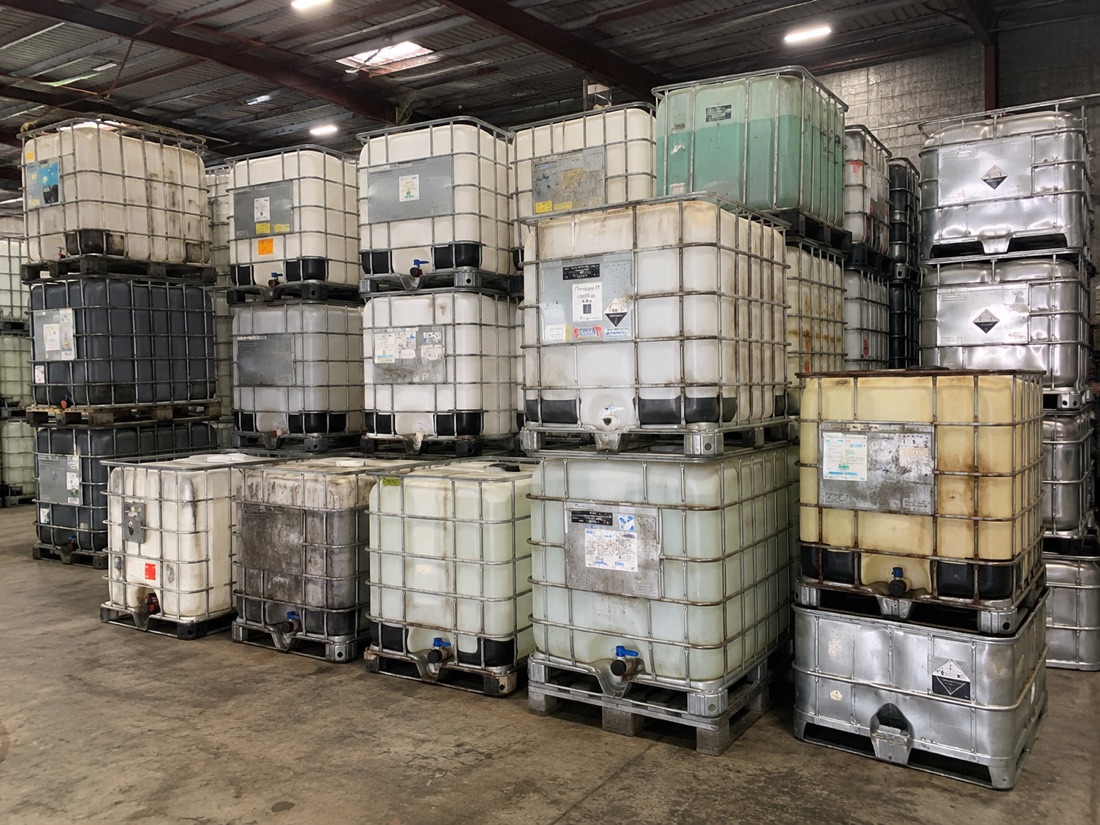
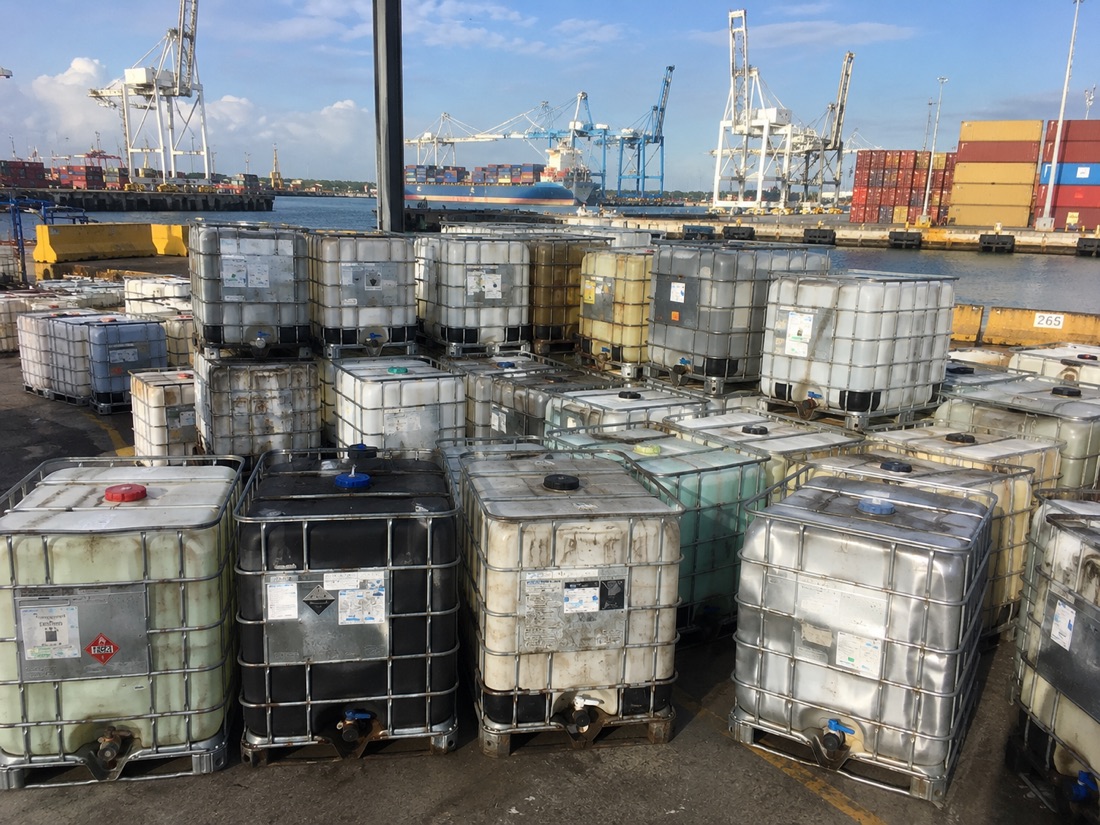
An empty IBC is the textbook "light but bulky" freight item, so LTL carriers often bill it on dimensional (DIM) weight rather than actual weight. DIM weight converts the space a shipment occupies into a billable weight using a divisor set by the carrier.
Worked example
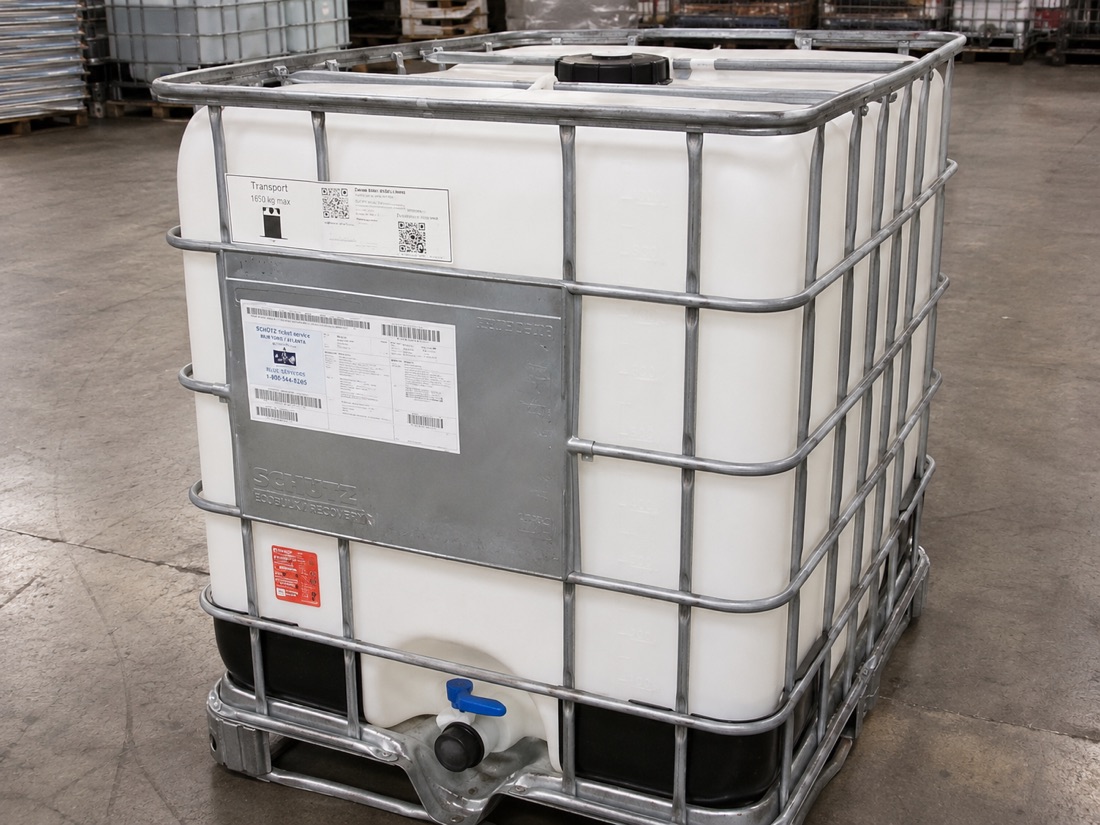
A 275 gallon tote is about 48 × 40 × 46 in = 88,320 cubic inches, or roughly 51 cubic feet. With a common DIM divisor of 139 (cubic inches per pound), that footprint bills at about 635 lbs — far above the tote's ~130 lb actual weight. The carrier charges on whichever is greater, so an empty tote almost always ships on its size, not its scale weight.
Why full totes ship more efficiently per gallon
A full tote uses the same footprint but carries thousands of pounds of product, so its actual weight exceeds DIM weight and you pay for real mass you actually wanted to move. That's the counterintuitive rule of tote freight: loose empties are the expensive thing to ship, and consolidation is where the savings live.
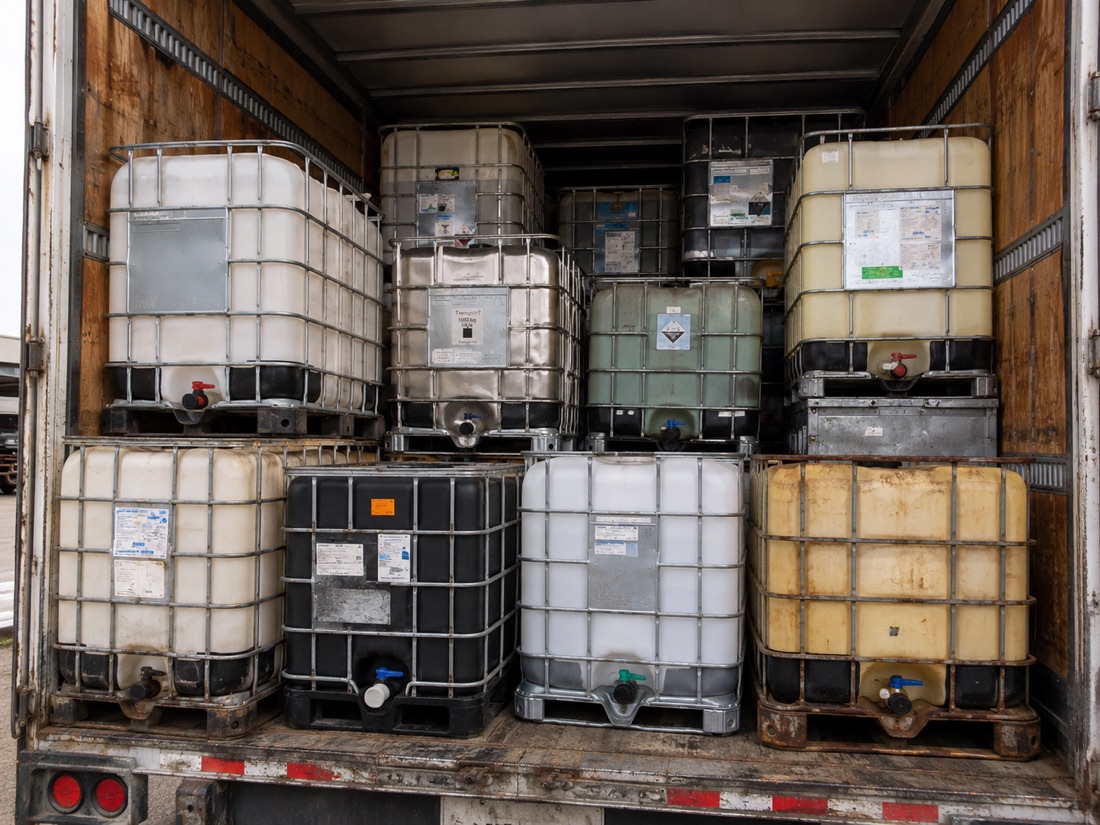
Loading a trailer
A single 48 × 40 in pallet position holds one full IBC or two stacked empties. A standard 53-ft dry van fits roughly 40–52 IBC footprints on the floor depending on stacking and load rules. Stacking empties and consolidating loads is exactly what our nationwide logistics team plans — including nationwide shipping for volume moves.