Our MethodologyHow we calculate the impact numbers.
Credible claims need a stated method. Here is exactly how the figures on this site — and inside the Eco Calculator — are derived, along with the assumptions we make and their limits.
The reference tote
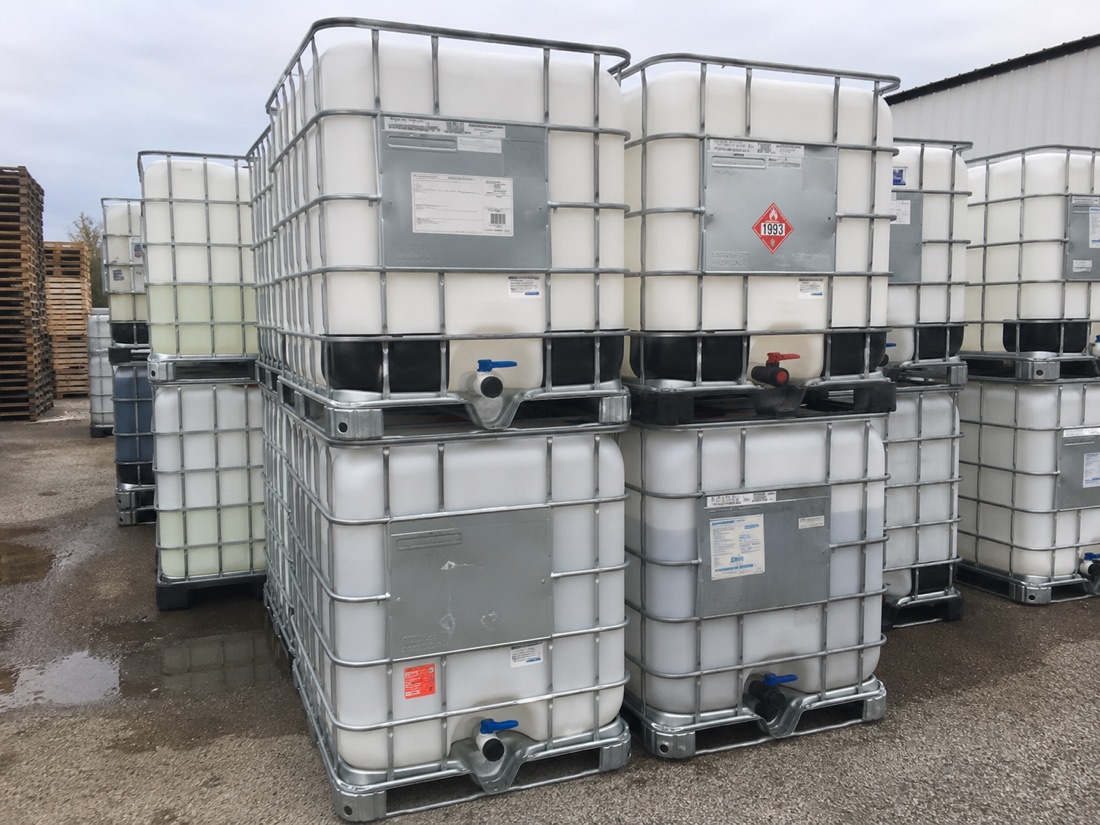
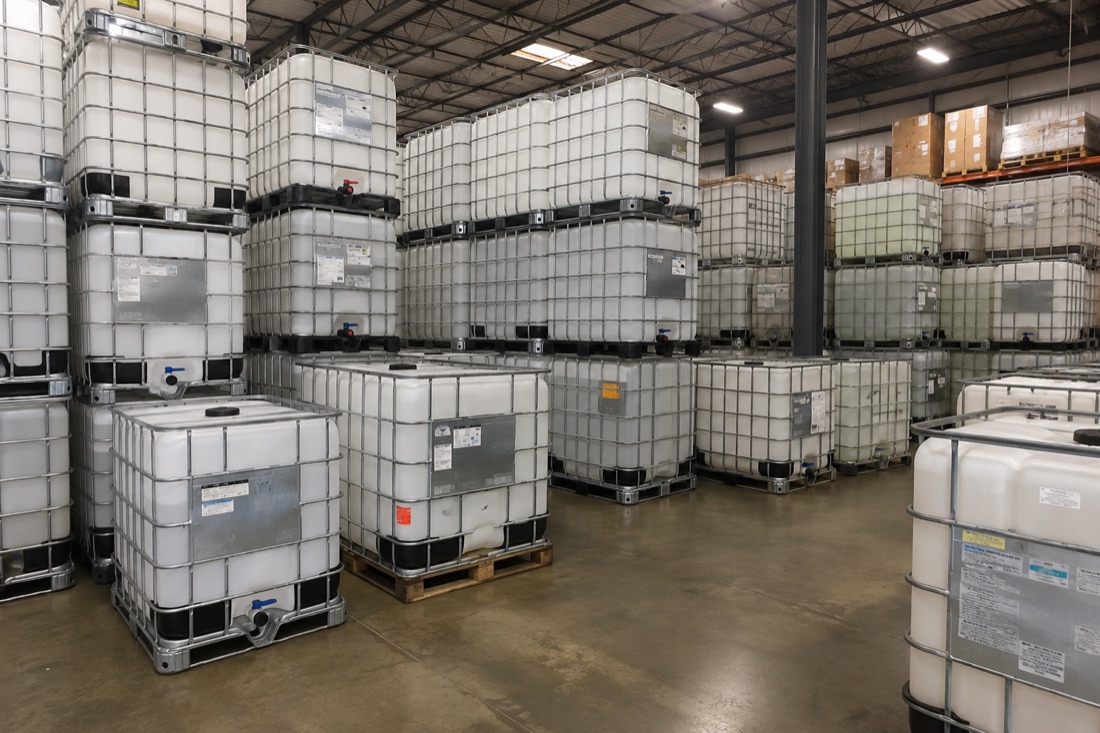
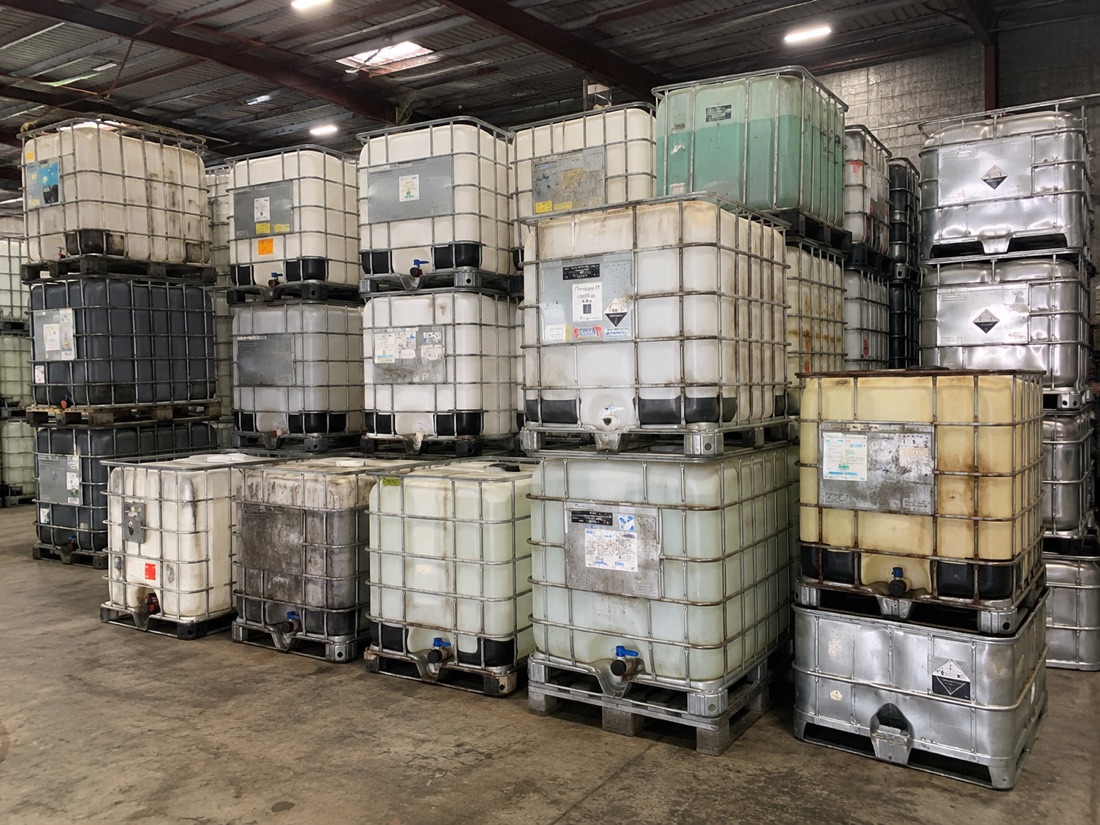
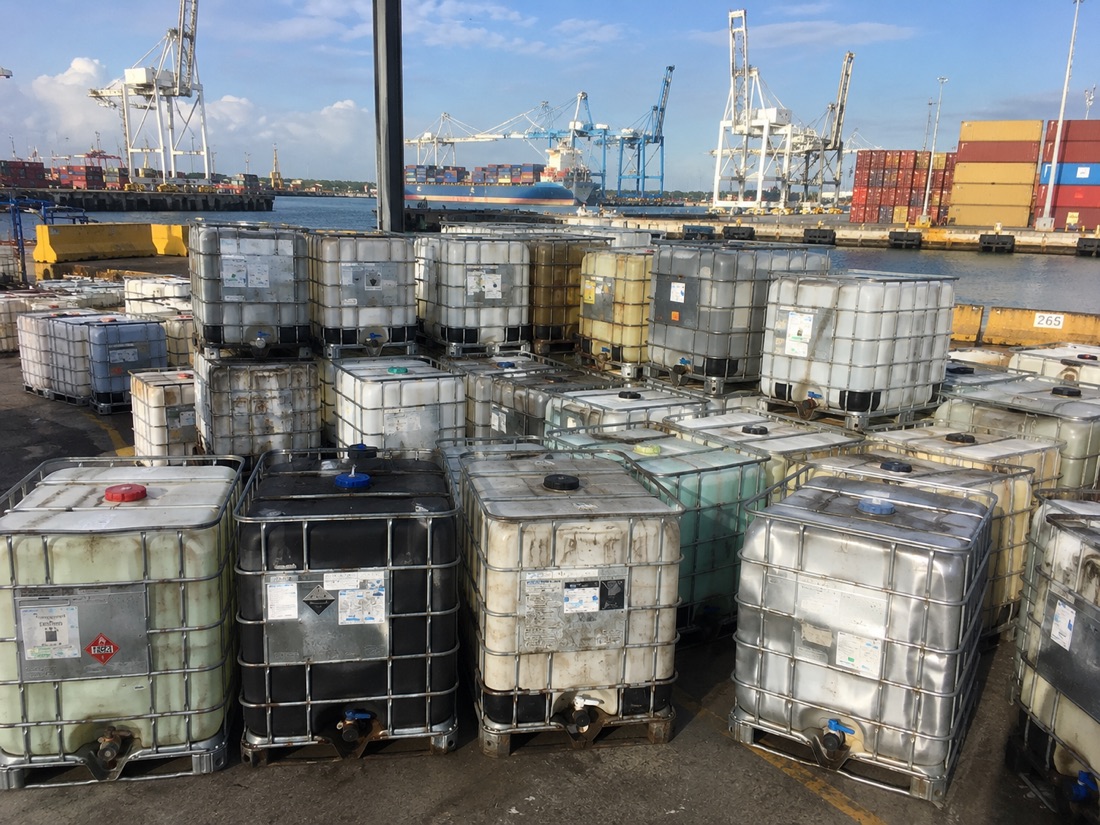
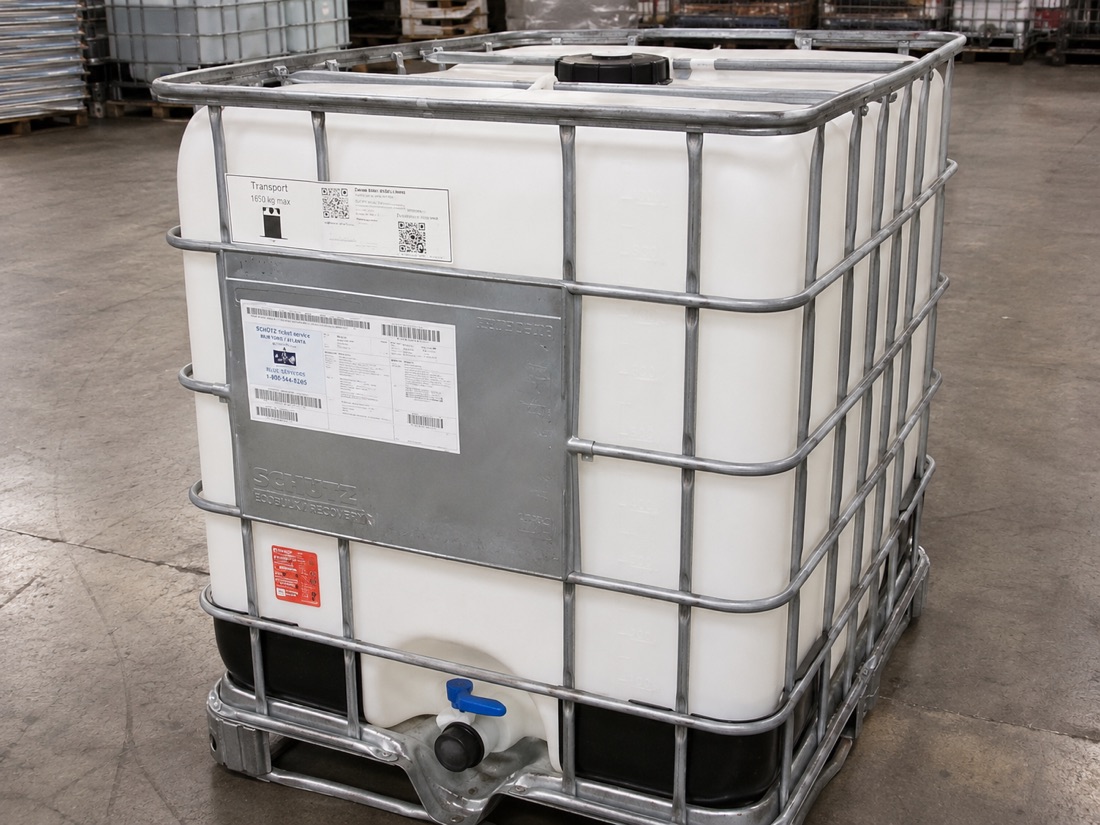
We model a typical reconditioned composite IBC at roughly 100 lbs of recoverable material: on the order of 40–60 lbs of HDPE in the bottle plus a galvanized steel cage and pallet base making up the balance. Real totes vary by size and manufacturer; a 275-gallon unit is lighter than a 550-gallon one, so we use a conservative average rather than a best case.
The energy comparison
The "~90% less energy" framing compares the energy to wash, pressure-test, and (where needed) re-bottle an existing tote against the energy to blow-mold a new HDPE bottle and fabricate a new steel cage and pallet from scratch. This is an order-of-magnitude estimate consistent with published reuse-versus-new analyses for rigid HDPE containers. It is directional, not a certified LCA.
Diversion totals
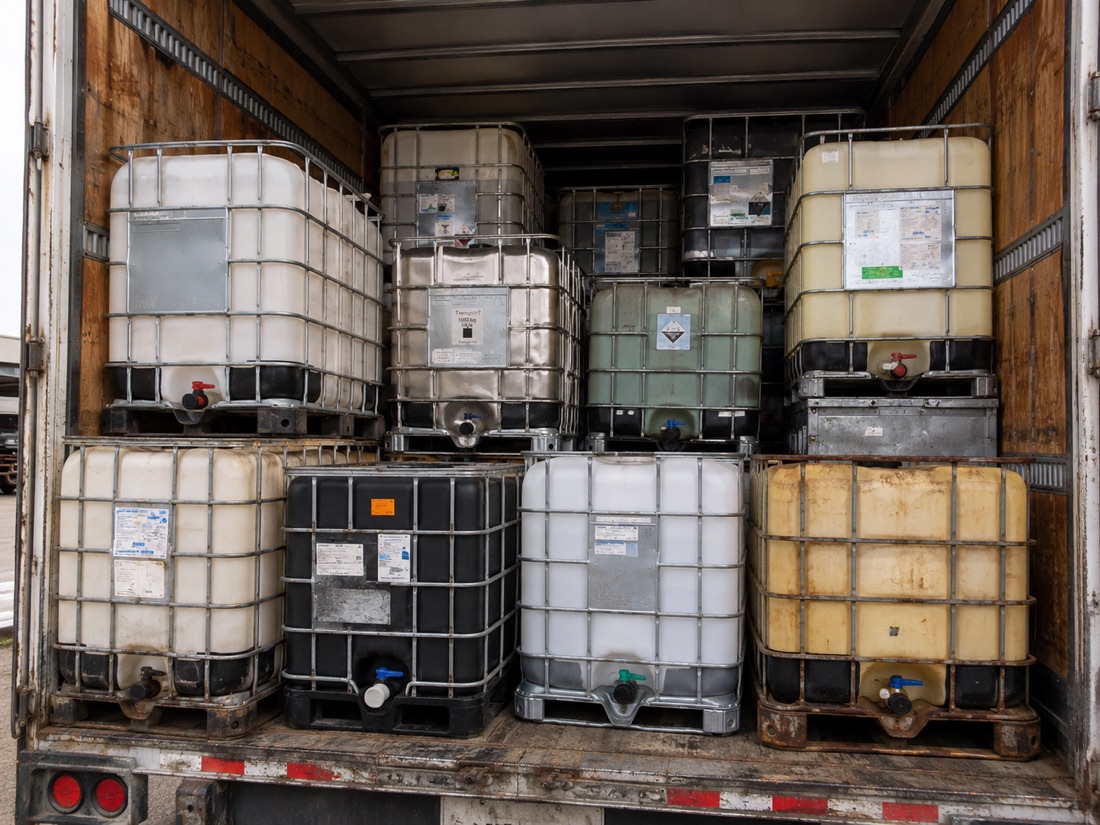
Cumulative "lbs diverted" figures multiply the number of totes we've kept in circulation by the reference weight. They represent material that avoided landfill by being reused or recycled — not a claim that zero grams ever escape the loop.
What we deliberately don't do
- We don't ignore freight — hauling has a real carbon cost we account for.
- We don't claim reuse is zero-impact; it is lower-impact.
- We don't use best-case weights to inflate totals; we use conservative averages.
- We don't sell offsets or certificates — just totes that would otherwise be waste.
If a number here matters to your own reporting, tell us and we'll walk you through the specific assumptions for your totes, grades, and lanes.