Meet the tote
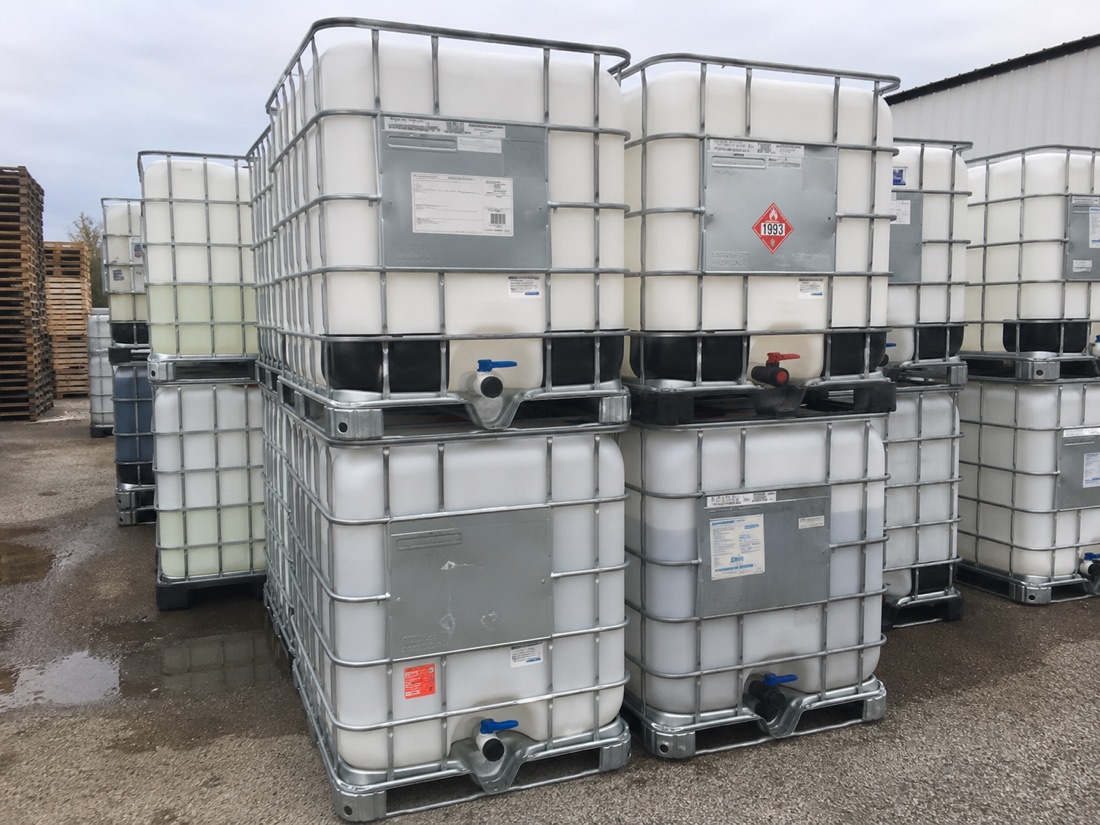
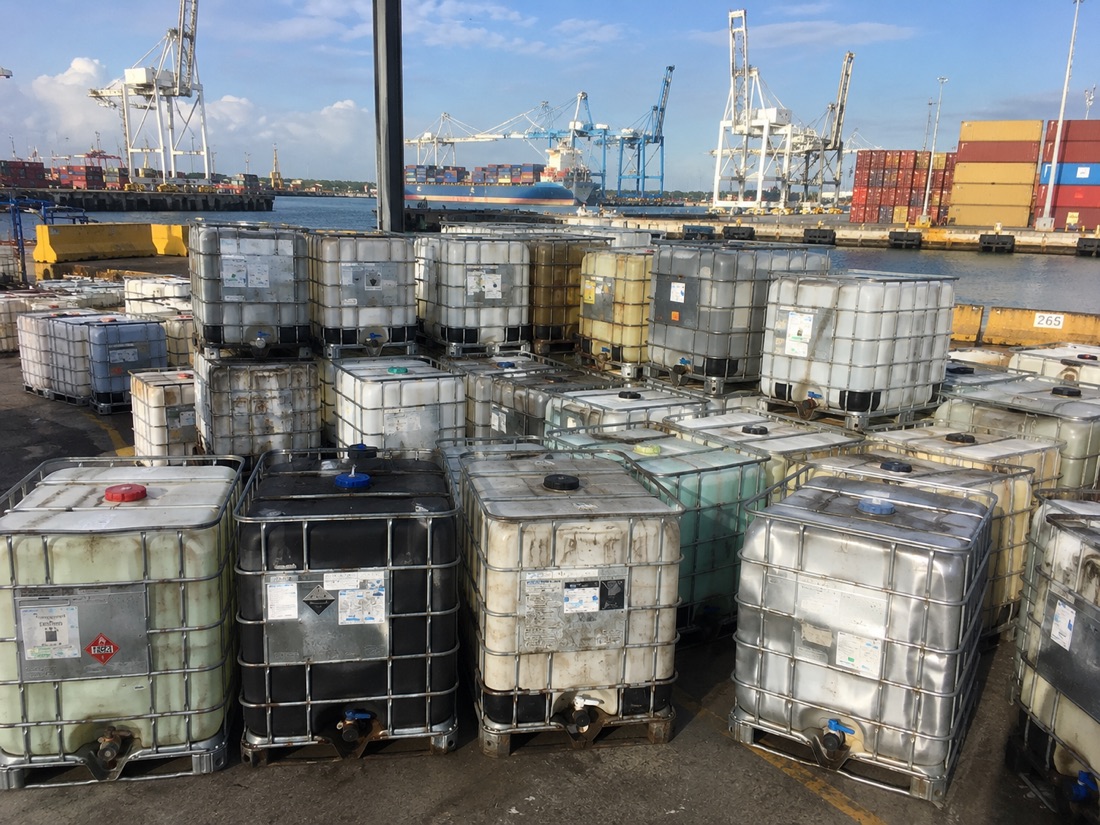
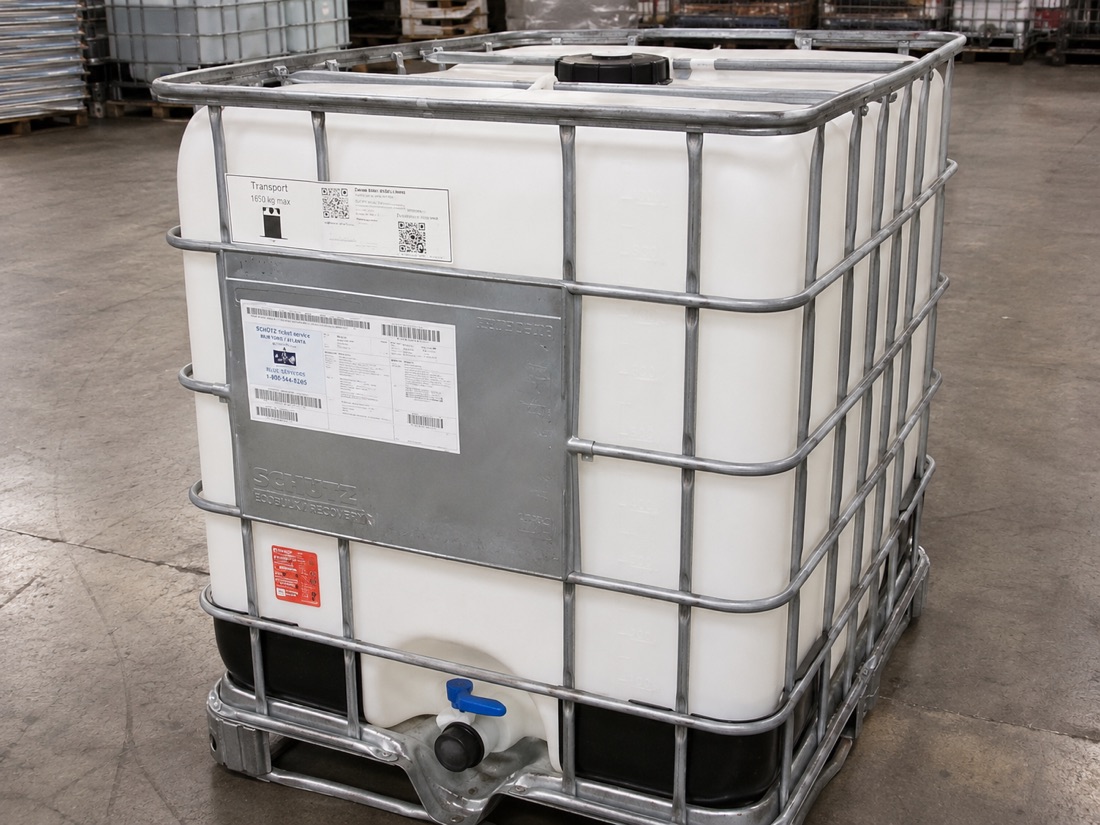
Let me tell you about a tote. Not a special one, an ordinary 275-gallon composite IBC that had done exactly one job: it delivered a food-grade syrup to a beverage plant. When we found it, it was sitting empty on a dock with a handful of others, tagged for the dumpster. The plant paid to have empties hauled to landfill because that was simply the routine.
That tote was not waste. It was a durable asset with most of its life left. This is the story of how it got a second one, and why that journey matters more than any single container.
Stop one: the rescue
The first thing that had to happen was the hardest, not technically but logistically. Someone had to divert the tote before it hit the landfill instead of after. That is the whole game in the circular economy: the loop closes at the loading dock, not at the dump.
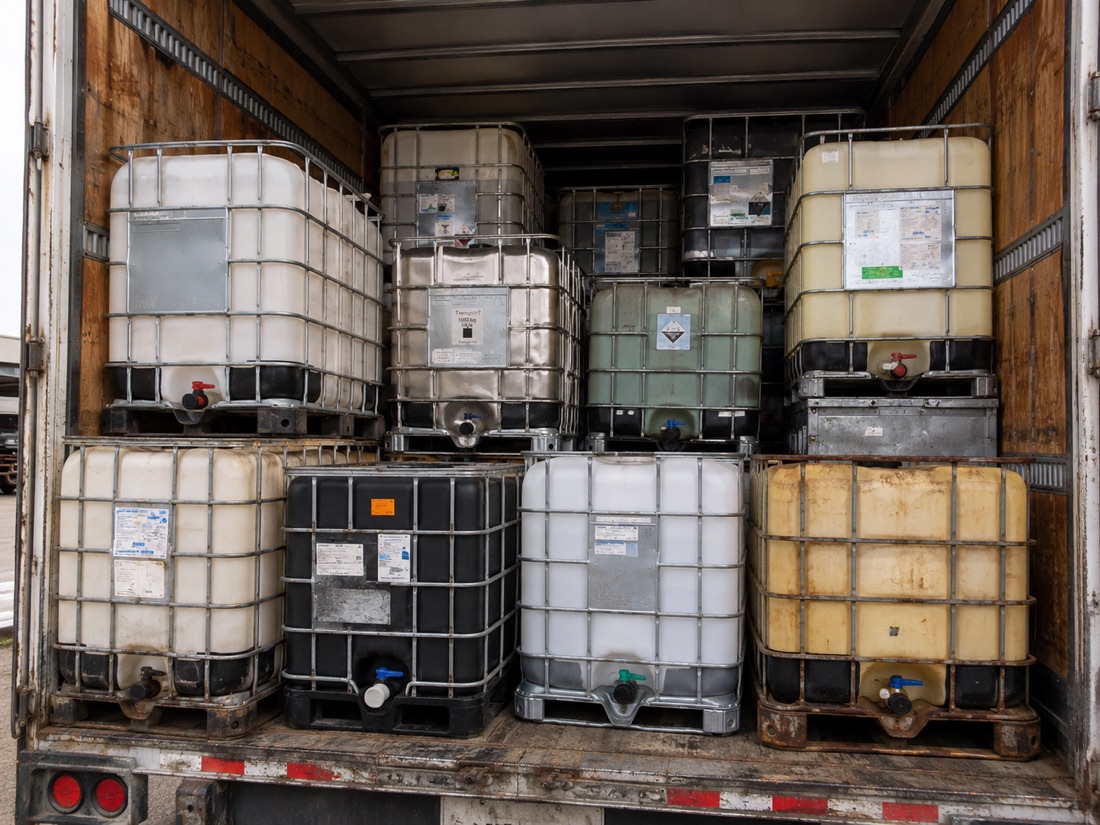
Through our buying service, we arranged pickup. The plant went from paying a disposal fee to receiving payment for the empties. The tote rode a truck to Austin instead of to a hole in the ground. Nothing about the container changed in this step, but its destiny flipped completely. That is the moment worth pausing on: the difference between waste and asset was a phone call and a pickup, not any property of the tote itself.
Stop two: intake and inspection
On our floor, the tote got a serial-level intake. Before anything else, we asked the question that governs everything: what did it hold? Food-grade syrup, documented. That single fact opened up the highest-value reuse paths. Had it held an unknown or aggressive chemical, its options would have narrowed sharply, as our grades reference explains.
Inspection covered every component:
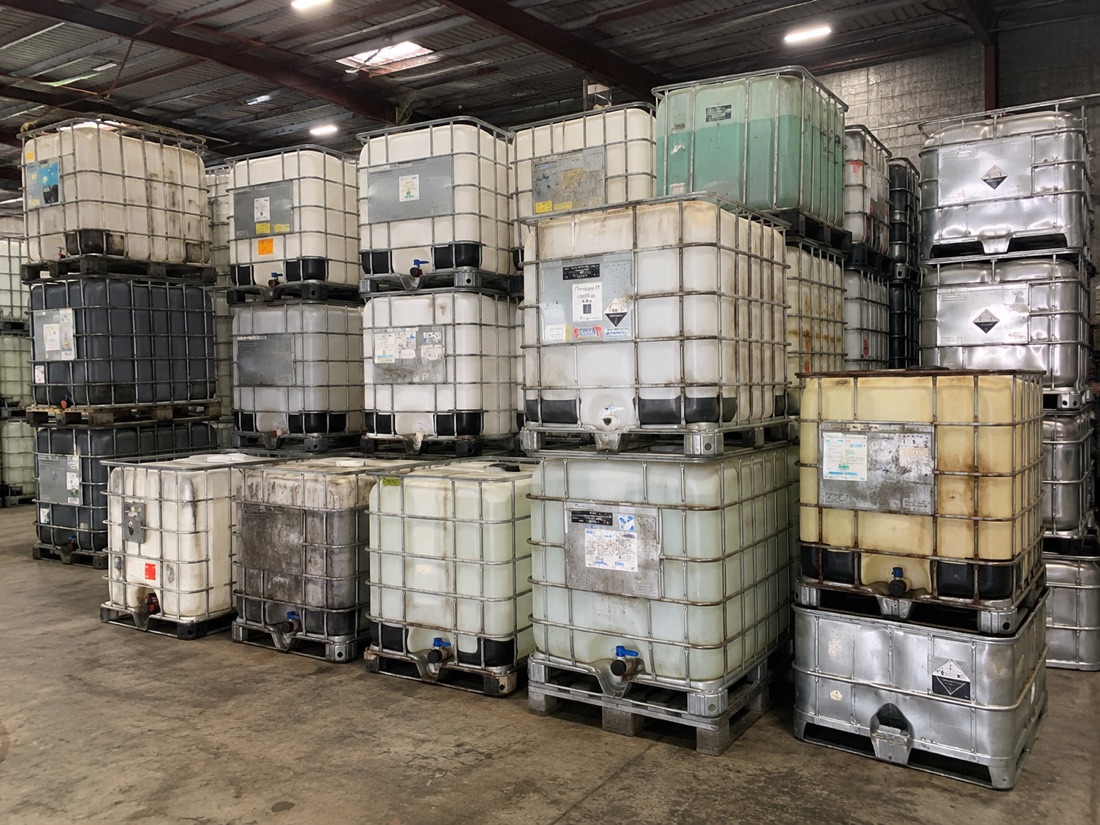
- Bottle: checked for cracks, crazing, discoloration, and residual odor.
- Cage: examined for dents, broken welds, and corrosion.
- Pallet: load points, forklift pockets, structural soundness.
- Valve and lid: function and seal integrity.
Our tote passed with a sound cage and pallet and a bottle that only needed cleaning, no rebottle required. That is the best-case outcome and it is common with food-grade origins.
Stop three: the wash
Cleaning is where a used tote becomes a usable one. Ours went through a hot-water wash cycle with food-safe detergent, interior surfaces reached, drained, and rinsed until the water ran clear.
Here is the part I am proudest of: the water that cleaned this tote did not run once and vanish down a drain. Our system recirculates and filters wash water, so the same water cleans many totes before it is finally discharged. Reuse does not stop at the container; it extends to the resource that cleans it.
The energy and water that went into rescuing this tote were a small fraction of what a new tote would have cost the planet to build, a point we lay out in our writing on sustainability.
Stop four: back into service
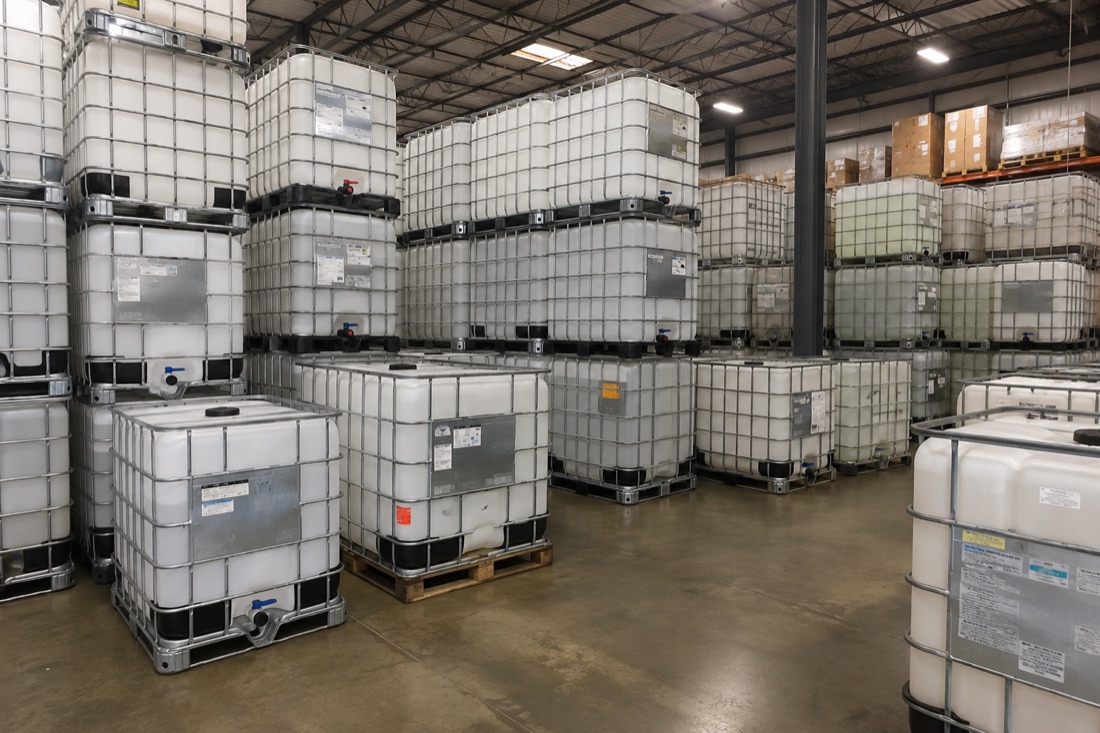
Cleaned, inspected, and verified, the tote joined our stock of reconditioned totes. A buyer purchased it for a non-food industrial application, at a price well below new, and it went back to work.
Think about what that one transaction accomplished:
| Outcome | Effect |
|---|---|
| One landfill diversion | A durable container kept out of waste |
| One new tote not built | Avoided virgin plastic and steel manufacturing |
| One disposal fee reversed | Cost became revenue for the original plant |
| One buyer saved money | Reconditioned price beat new |
Four wins from one container, and none of them required inventing anything. The tote was already durable. We just refused to let it be thrown away.
The loop, not the line
The linear model is a straight line: make, use, discard. The circular model is a loop: make, use, recover, reuse, and around again. Our tote is now somewhere in its second working life, and when that life ends, the same choice arises. If the bottle is compromised, we rebottle and keep the cage. If a component truly dies, it goes to recycling, not landfill.
The container will keep cycling as long as its components remain sound. A well-made tote can serve several lives. Each cycle amortizes the original manufacturing footprint across more use, driving the per-use impact steadily down.
Why one tote's story matters
I tell this story because the circular economy can sound abstract, all diagrams and buzzwords. It is not abstract. It is a specific tote, on a specific dock, that was one decision away from a landfill and instead is back at work. Multiply that decision across the thousands of totes we handle and you get real diversion, real avoided manufacturing, real money saved.
The loop closes one container at a time, and it closes at the moment someone chooses recovery over the dumpster. If you have empties heading for waste right now, that choice is available to you today. Talk to us and we will turn your dock full of empties into the start of another loop.