A car wash is a bulk-liquid business
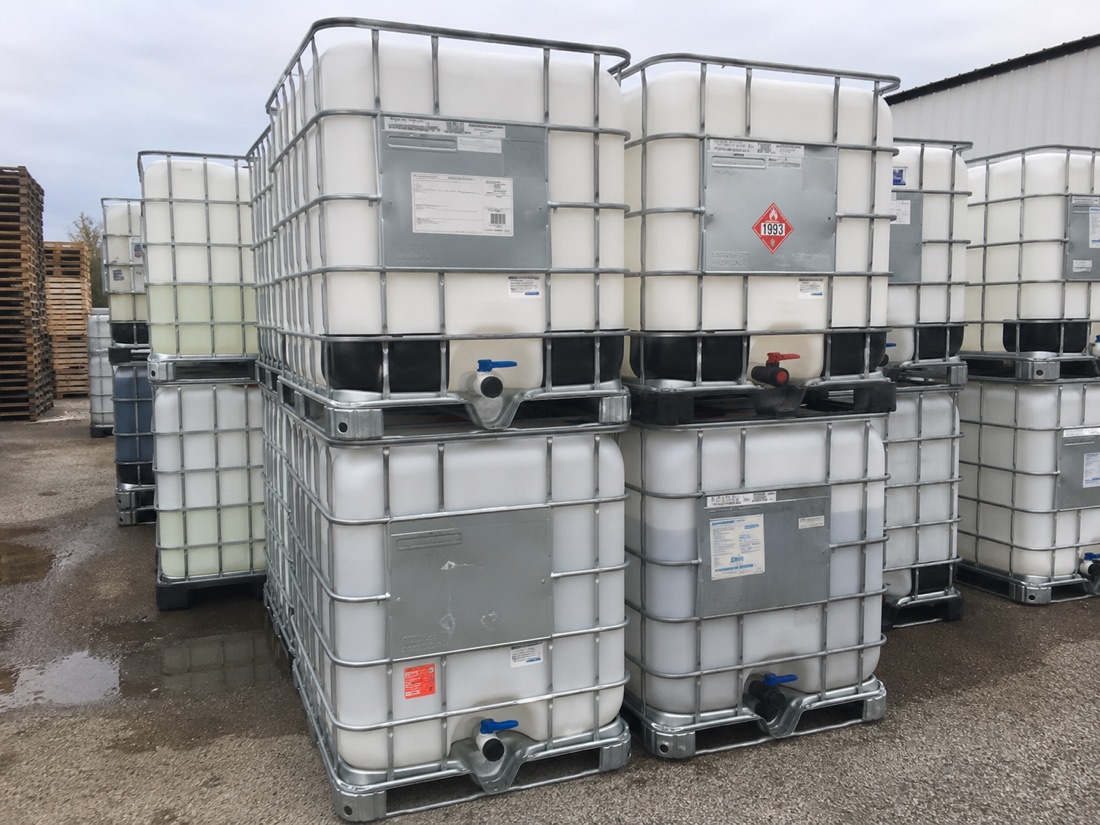
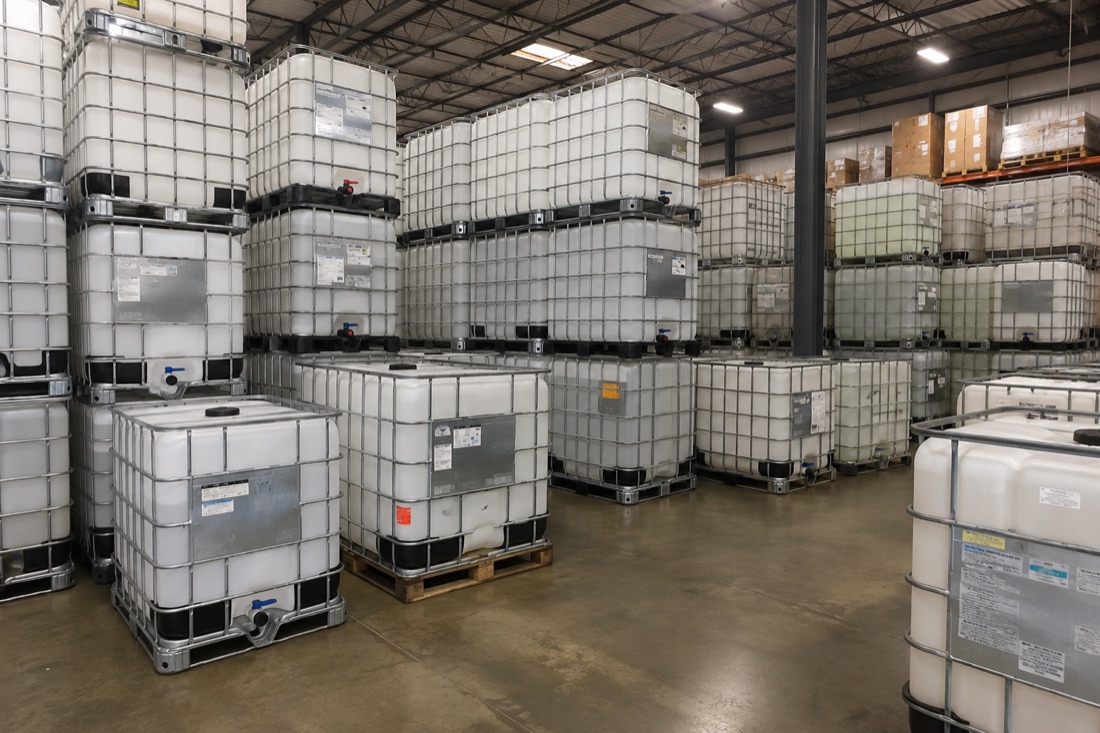
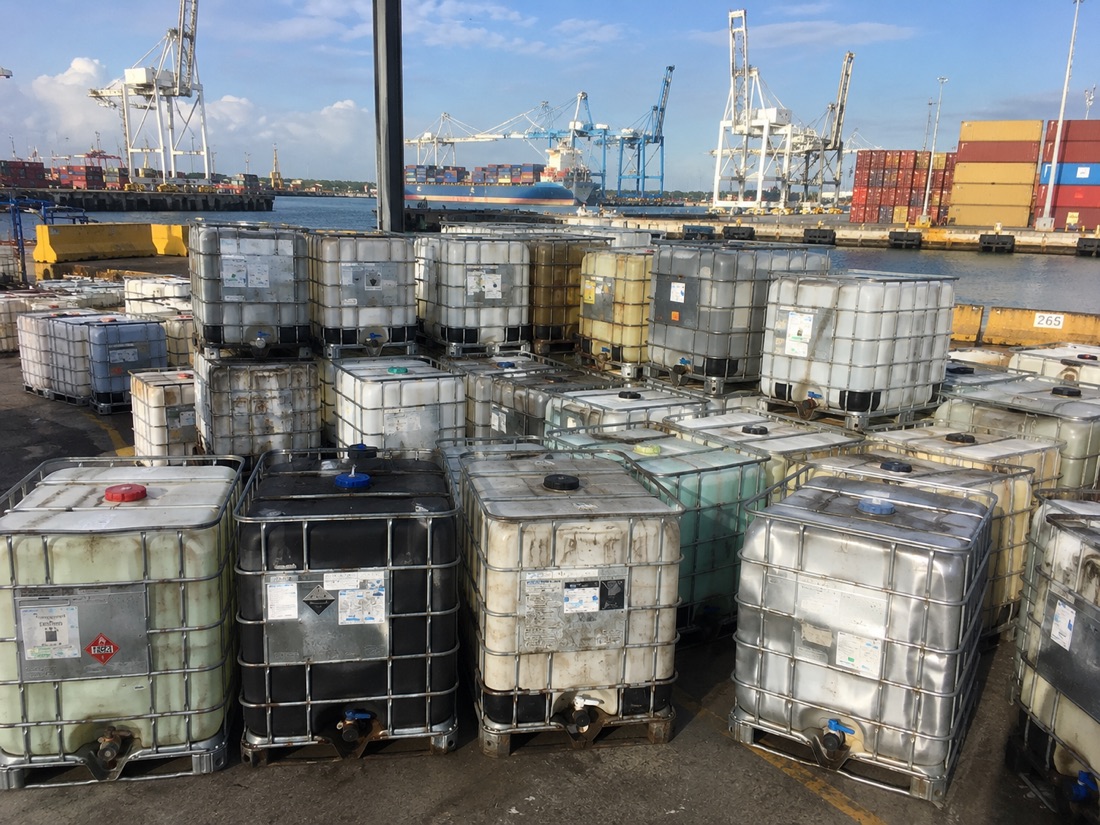
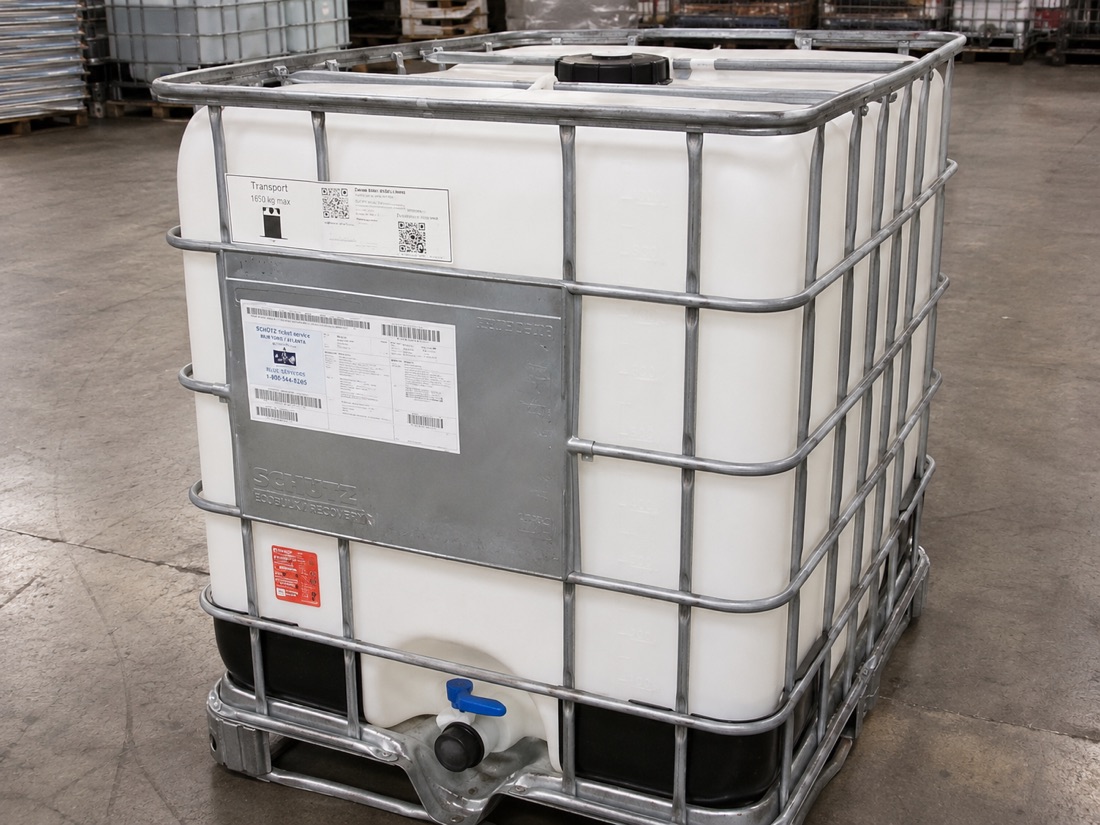
Most people see a car wash as a machine that sprays water. Behind the scenes it is a chemical dosing operation running on a steady diet of soaps, presoaks, waxes, drying agents, and tire dressings, plus a lot of water moving in and out. Every one of those liquids arrives, gets stored, and gets dosed, and that is exactly the problem IBC totes solve.
Buying detergent by the tote instead of the jug changes the economics of a wash. The concentrate costs less per gallon, the deliveries are less frequent, and the empty container becomes an asset instead of a recycling pile of small drums. For a high-volume tunnel especially, bulk handling is not a nice-to-have; it is how the margins work.
The wash that buys chemistry by the case is paying a jug tax on every car it cleans.
Where totes fit across wash formats
Different wash formats use totes differently, and the fit is worth mapping out.
- Express and tunnel washes move enormous chemical volume and are the strongest case for bulk totes. Presoak, high-pH and low-pH detergents, foam, drying agent, and ceramic sealants all dose from totes through metering pumps.
- Self-serve bays use totes for the concentrated soaps and waxes feeding each bay's dosing system, cutting the frequency of manual refills.
- In-bay automatics at gas stations and convenience stores sit in the middle, benefiting from bulk on their highest-use chemistries.
- Detail shops run smaller volumes but still gain from totes on their staples: wash soap, degreaser, and water for rinseless and low-water washing where supply is limited.
The chemistry and compatibility question
Car wash chemicals span a wide pH range, and that range drives tote and fitting selection.
| Product | Nature | Compatibility note |
|---|---|---|
| Presoak (alkaline) | High pH | HDPE compatible; check seals |
| Low-pH detergent | Acidic | Verify gasket and valve rating |
| Foam soap | Surfactant | Benign, easy on HDPE |
| Wax and sealant | Solvent-carried | Confirm HDPE and seal fit |
| Drying agent | Surfactant blend | Generally compatible |
For most standard car wash chemistry, a composite tote is the right and economical choice, since HDPE handles the typical surfactant and mild-acid or mild-alkaline range well. The place to be careful is the wetted seals: a gasket rated for neutral water may not survive a low-pH acid detergent. Match the valve and gasket to the product, and pull spares from our accessories shelf so a worn seal never becomes a leak.
When in doubt on a strong or solvent-heavy product, check compatibility before you fill. Our reconditioned IBC totes come graded so you know what a given unit is cleared to hold.
Setting up a tote-fed dosing system
A clean bulk setup pays for itself quickly.
- Stage totes on containment. Detergent chemistry belongs over a spill pallet, not on bare concrete near a floor drain.
- Plumb from the discharge valve to a metering or venturi dosing pump. Keep runs short and use compatible tubing.
- Label every tote and line by product and pH. A worker connecting a low-pH acid to the alkaline line is a bad day.
- Leave headspace and ventilation. Warm equipment rooms build pressure in a brim-full tote.
- Rotate stock so older concentrate doses first and nothing separates in long storage.
The water and reclaim angle
Chemistry is only half of a wash's liquid story. Water is the other half, and it is where the sustainability case gets interesting.
Water is expensive, and in much of Texas it is periodically scarce. Many modern washes run reclaim systems that capture, filter, and reuse rinse water. Totes serve this loop as buffer and holding tanks: staging reclaimed water, holding filtered water for the presoak and undercarriage stages where potable quality is not required, and providing surge capacity so the reclaim system is not the bottleneck.
A wash that reclaims can cut fresh-water draw dramatically, and totes are a low-cost way to add the holding capacity that makes reclaim practical. This is squarely the kind of resource-loop thinking behind our sustainability program: keep the water in the loop, keep the chemistry in bulk, and keep the containers in service.
Closing the loop on the containers
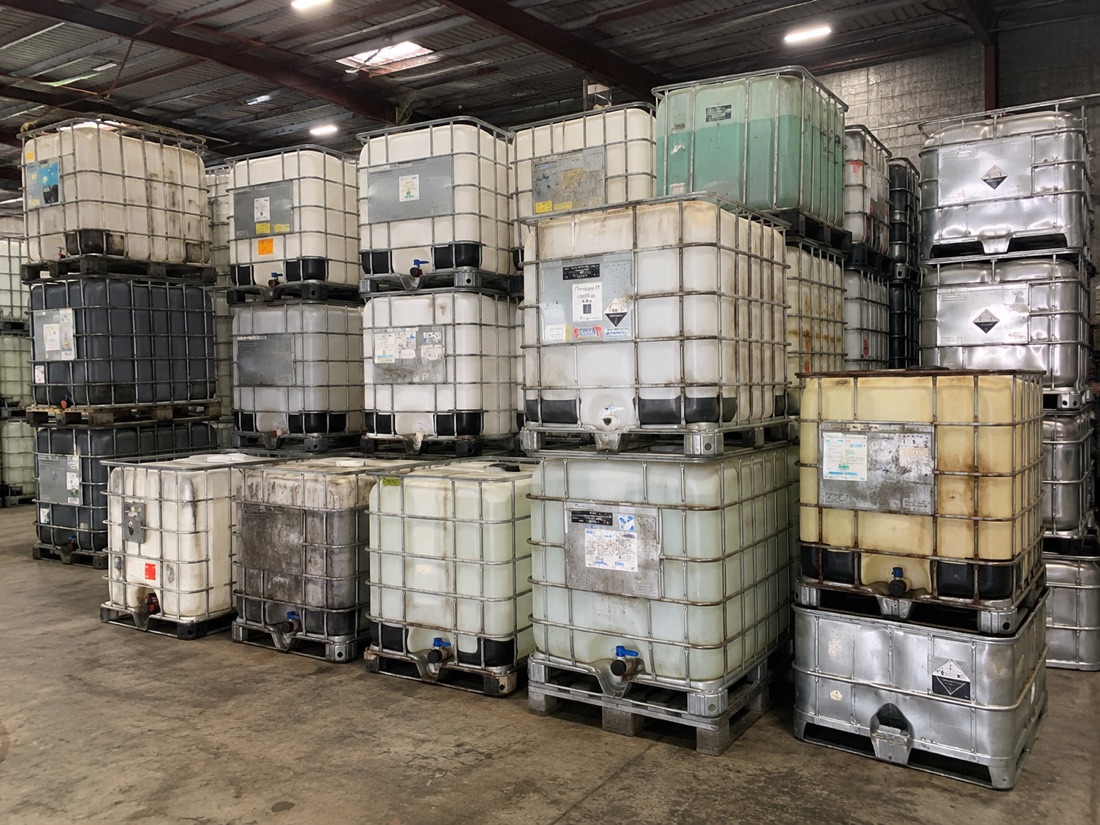
The last piece is what happens to the totes themselves. A wash going through detergent totes generates a steady stream of empties, and those empties have value.
- Rinse benign empties (soap, foam, drying agent) and they grade well for resale.
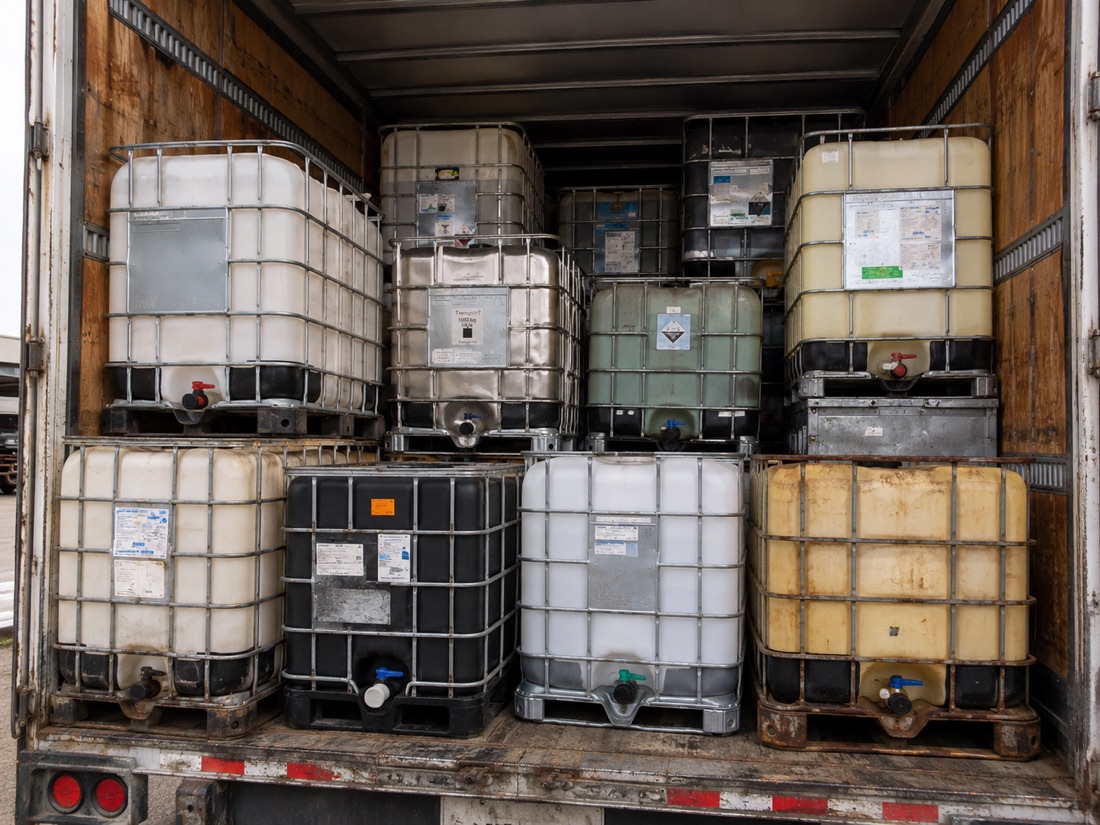
- Batch them rather than disposing of them one at a time. A palletized lot is worth more and easier to move.
- Sell rather than scrap. Our buying service prices sound wash-chemistry totes as reusable containers and hauls them at no cost to you.
A car wash is, at heart, a machine for turning bulk liquid into clean cars efficiently. Totes make the liquid side of that equation cheaper to buy, easier to store, and greener to close out. For a format built on volume and thin margins, that is not a detail. It is the operation.