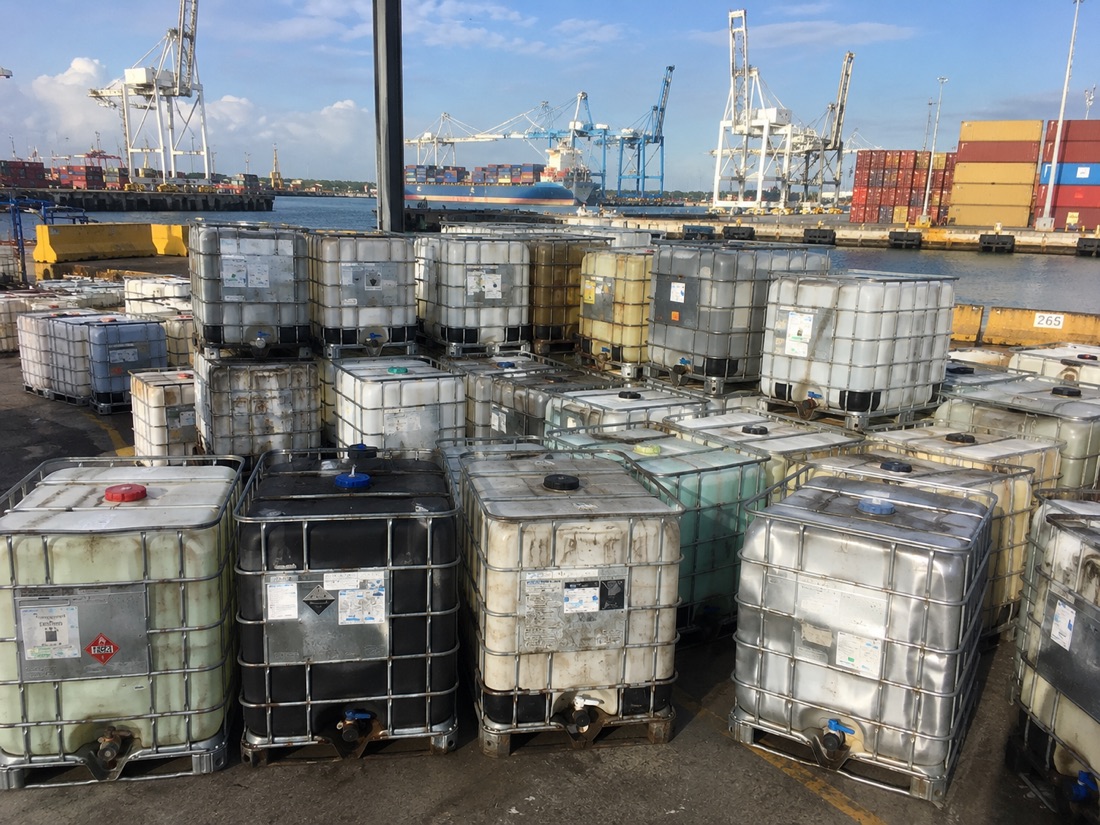
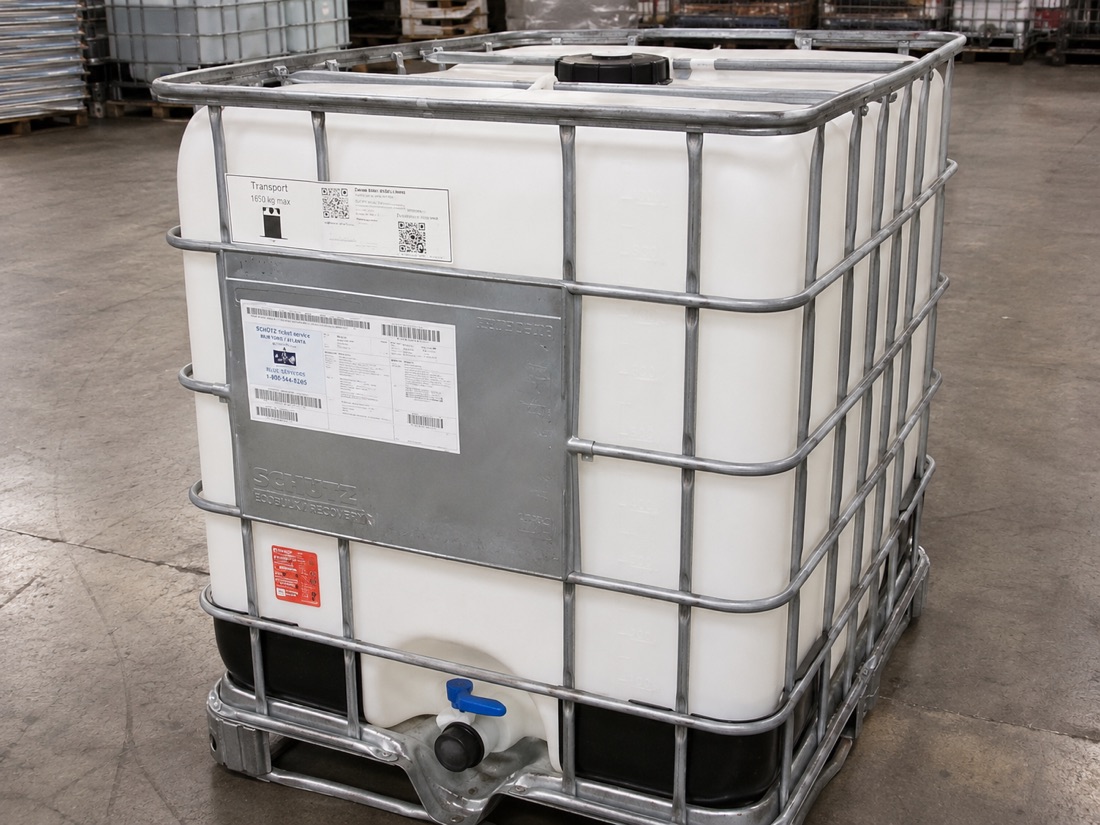
Craft breweries have quietly become one of the most creative users of IBC totes. They store wort, blend cider, hold spent yeast for haulers, carry rinse water, and stage cleaning chemistry. The tote is cheap, stackable, and moves on a pallet jack, which is exactly what a growing brewhouse needs. But brewing is a fermentation process, and fermentation punishes sloppy sanitation. This piece covers how to use totes in a brewery without inviting an infection into your beer.
First, Insist on the Right Bottle
Anything that will touch product, or water that becomes product, must start as a genuine food-grade tote. That means natural (translucent) HDPE, a documented food-safe prior contents history, and a bottle free of the odors and stains that signal permeation.
- Choose totes previously used for food syrups, juice, or edible oil, never for solvents or industrial chemicals.
- Prefer a translucent bottle so you can visually confirm cleanliness and see the fill level during blending.
- Confirm the gaskets are food-grade EPDM or silicone, not generic rubber.
If you are sourcing fresh, our new IBC totes ship with virgin food-grade bottles and unused gaskets, which removes the history question entirely. For non-product duties like cleaning solution storage, a solid reconditioned tote is the economical call.
Understand CIP Before You Rely on It
Clean-in-place, or CIP, means circulating cleaning solutions through a vessel without disassembling it. Breweries love CIP for tanks, and the instinct is to treat a tote the same way. The catch is that a tote is not engineered like a fermenter. It has a single top opening, a molded interior with corners, and a bottom valve that traps liquid.
A realistic tote CIP sequence looks like this:
- Pre-rinse with warm water to carry away loose sugars and yeast.
- Caustic wash with a circulated hot alkaline detergent to break down organic soil and biofilm.
- Intermediate rinse to remove all caustic.
- Acid wash to neutralize and remove mineral or beerstone deposits.
- Final rinse with clean, ideally filtered, water.
- Sanitize with a no-rinse sanitizer such as peracetic acid at label dose.
The weak point is coverage. A spray ball dropped through the top lid does not reliably hit the underside of the shoulders or the far corners. Breweries that CIP totes successfully rotate the tote, use a rotating spray device, and verify with a visual and swab check rather than assuming the cycle did its job.
If you cannot verify that every interior surface was contacted, you did not clean the tote. You rinsed it.
When to Recondition Instead of CIP In-House
Not every brewery should build a tote-washing station. Caustic at temperature is hazardous, spent chemistry is regulated wastewater, and a marginal in-house wash is worse than no wash because it breeds false confidence.
Many of our brewery customers run a hybrid model: they CIP totes that stay in food-product service, and they send totes out for a documented professional wash whenever a tote changes duty, comes back questionable, or needs to re-enter food-grade service. Our recycling and reconditioning service handles the caustic, the effluent, and the verification so your team can stay on the brew deck.
Match the Tote to the Job
| Brewery use | Recommended tote | Cleaning need |
|---|---|---|
| Wort or cider blending | Food-grade, translucent | Full CIP + sanitize |
| Brewing liquor / water | Food-grade | Rinse + sanitize |
| Cleaning chemical storage | Reconditioned industrial | Segregate, label clearly |
| Spent yeast / trub for haul-off | As-is dedicated | Do not reuse for product |
The single biggest mistake we see is cross-use: a tote that held caustic on Monday holding water for a mash on Friday. Dedicate totes to a role, color-code or tag them, and never let a chemical tote drift into product service.
Practical Sanitation Habits
- Sanitize immediately before filling, not the day before. Sanitizer efficacy fades, and an open tote re-contaminates.
- Keep valves capped and lids closed whenever a tote is idle. An open tote is an invitation to wild yeast and fruit flies.
- Store off the ground and out of the sun. UV degrades the bottle and heat encourages microbial growth in any residual film.
- Log every cycle. A simple tag with last contents, last clean date, and next duty prevents the cross-use error above.
Temperature and Handling Limits
HDPE totes are not rated for hot liquids the way stainless is. Filling a tote with near-boiling wort will soften and deform the bottle and can compromise the seal. Cool your product to a safe temperature first, and never pressurize a tote to push liquid out; use gravity or a pump. If you need to move totes between buildings or to a co-packer, our transportation service can shuttle full or empty totes without you tying up a driver.
The Bottom Line for Brewers
IBC totes belong in a modern craft brewery, but they earn their place only when sanitation is treated with the same seriousness as your fermenters. Buy food-grade, dedicate each tote to a role, run a verified CIP or outsource the wash, and sanitize right before you fill. Do that and the humble tote becomes one of the most cost-effective tools in the building. If you want help specifying a fleet for your brewhouse, tell us your volumes through contact and we will build a recommendation around them.