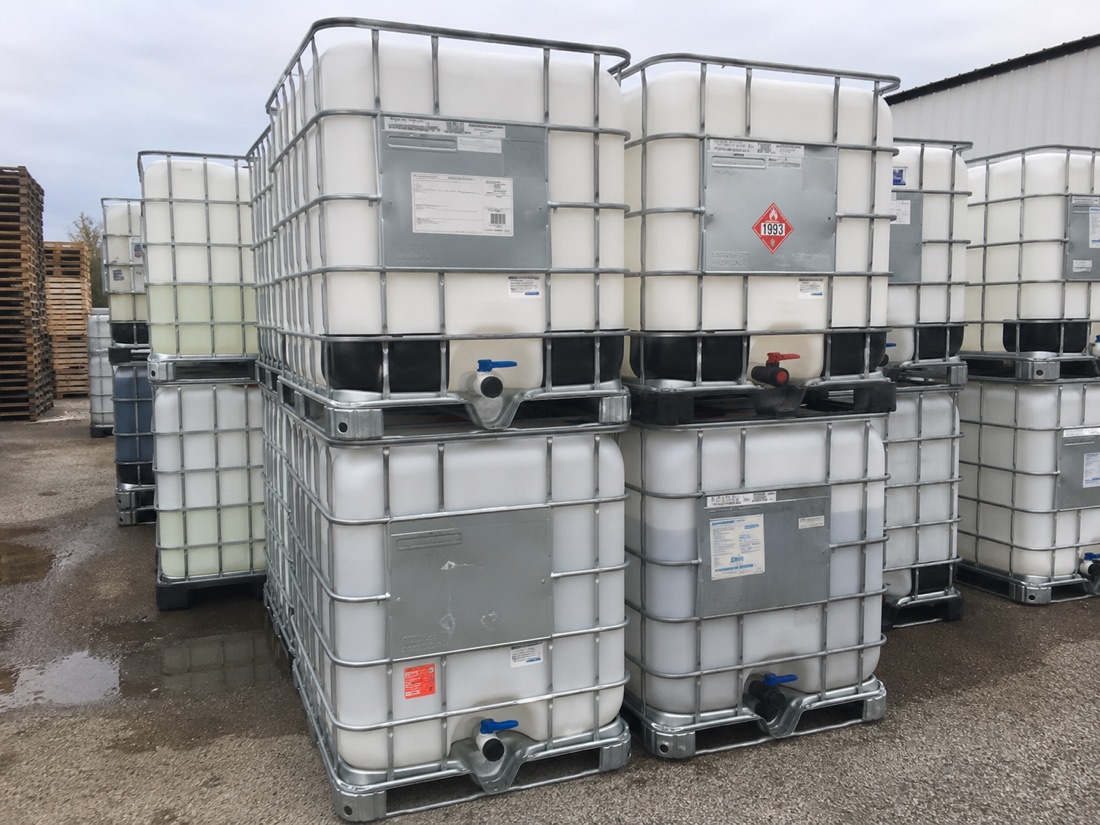
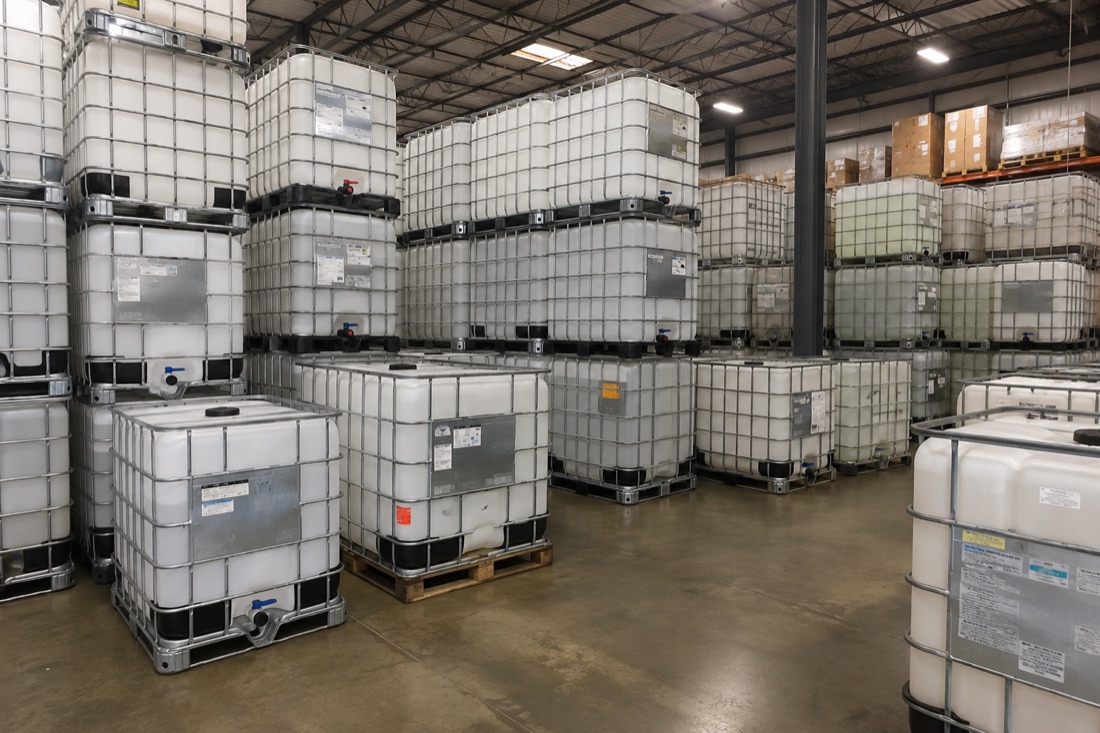
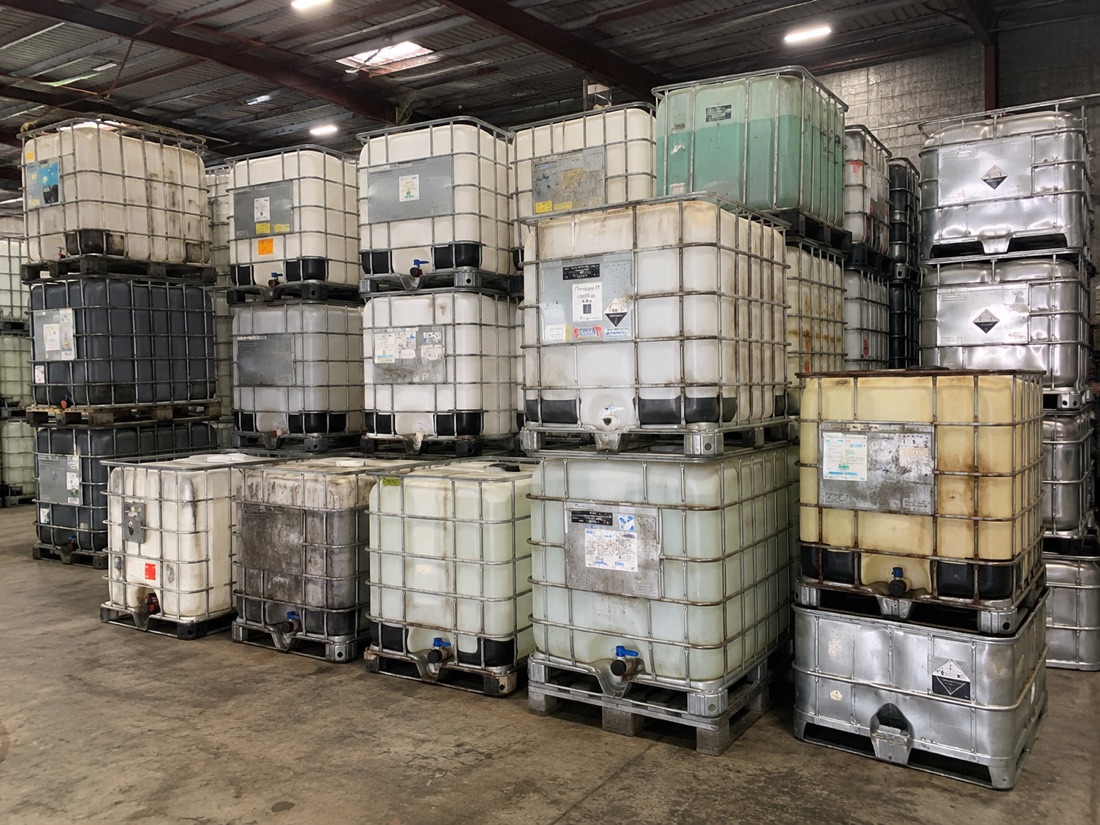
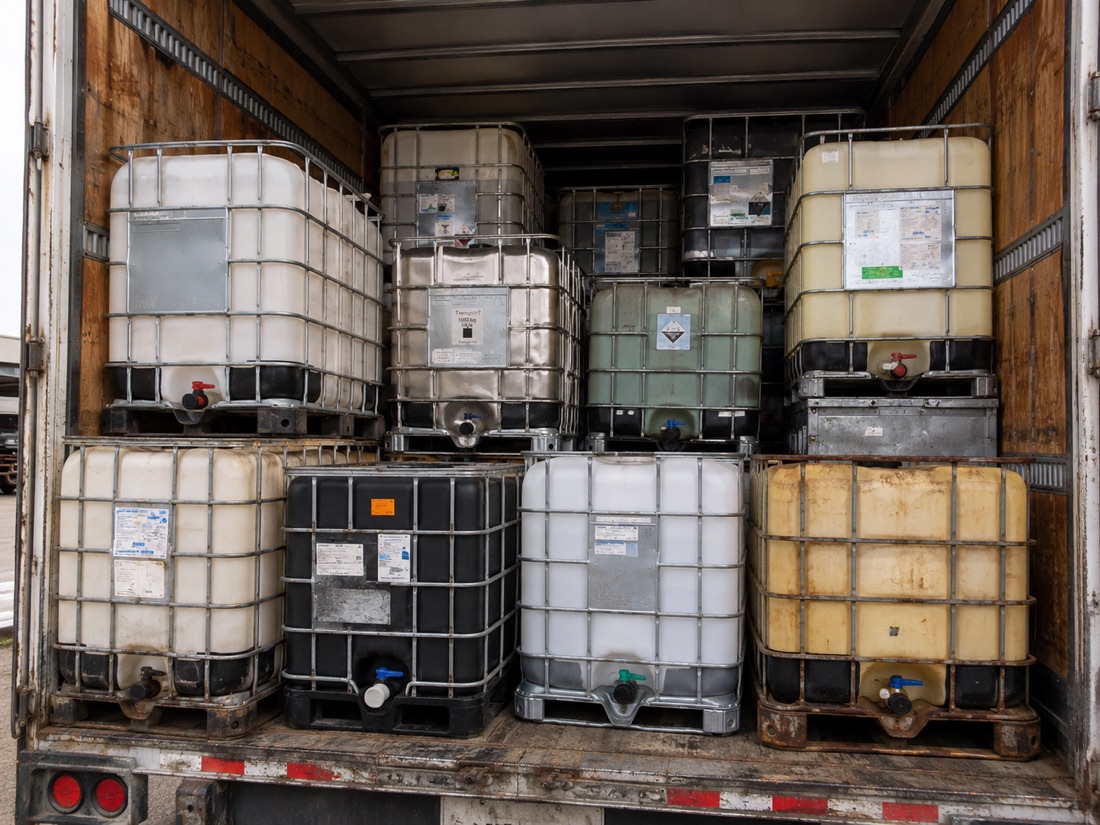
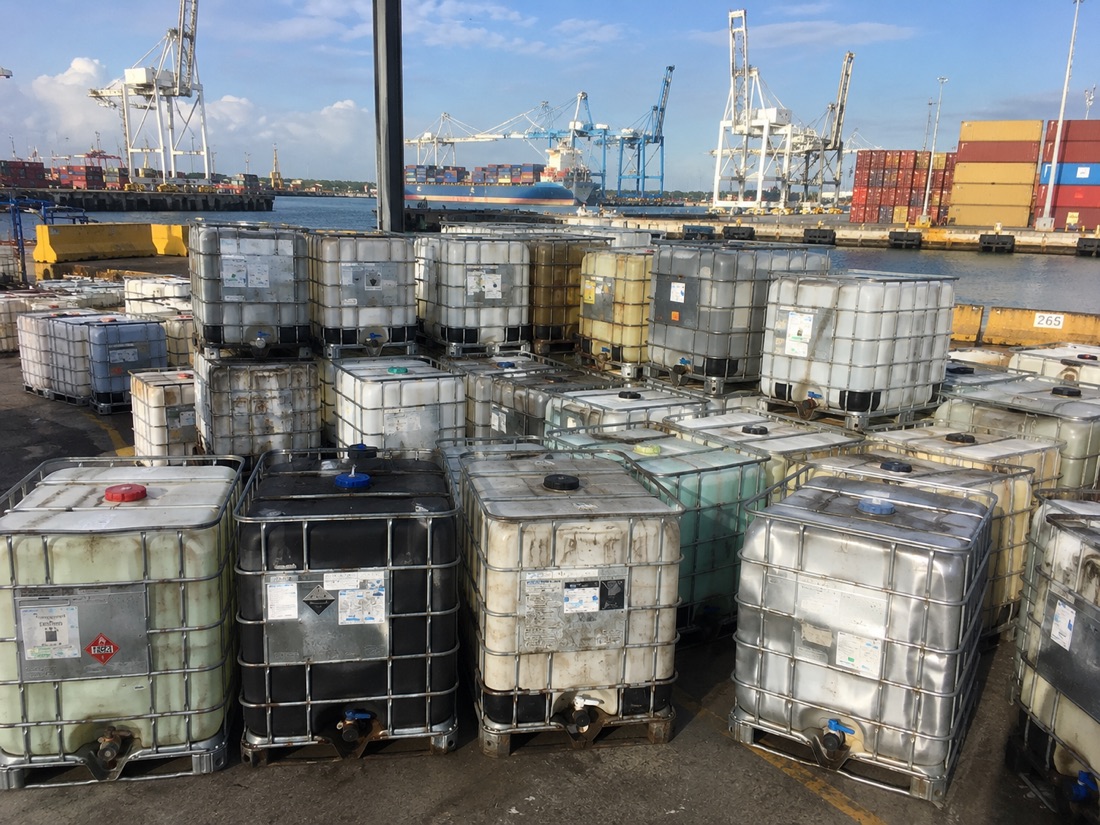
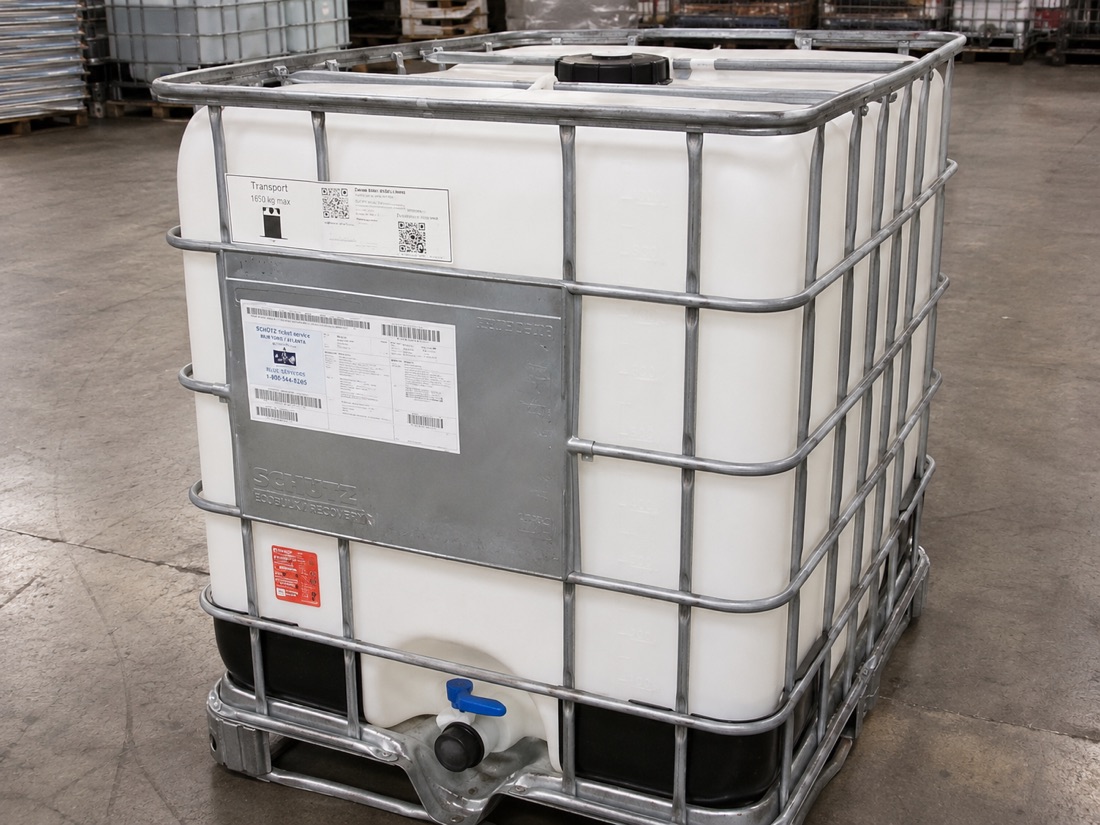
A single IBC tote holds around 275 or 330 gallons of water, which is enough to keep a household hydrated for weeks or to fight a wildfire ember shower off a roofline. For preppers, rural homesteads, and anyone who has lived through a boil-water notice, the tote is the most gallons-per-dollar water reserve you can buy. But water storage done wrong can be worse than no storage at all. Here is how to do it right.
Choose the Right Tote for Water You Might Drink
The rules split sharply depending on whether the stored water is for drinking or for utility use.
For potable (drinking) water, use only a tote with a documented food-grade history or a new food-grade bottle. Never store drinking water in a tote that held chemicals, fuels, or unknown contents. Plastics absorb what they hold, and that residue leaches back into your water over time.
For non-potable utility water (flushing toilets, irrigation, firefighting, washing), a sound reconditioned industrial tote is perfectly adequate and much cheaper.
- Potable reserve: new food-grade totes or documented food-grade reconditioned units.
- Utility reserve: standard reconditioned totes.
Label every tote clearly as POTABLE or NON-POTABLE. In an emergency, tired and stressed people make mistakes, and a mislabeled tote is a real hazard.
Prepare the Tote Before the First Fill
Even a food-grade tote needs a proper start.
- Rinse thoroughly with clean water to remove any manufacturing or shipping residue.
- Sanitize with an unscented chlorine bleach solution, roughly one teaspoon of plain bleach per gallon of rinse water, slosh to contact all surfaces, then drain.
- Final rinse with the cleanest water you have.
- Inspect the valve and gaskets so your first fill does not become your first leak.
Fill, Treat, and Seal
City tap water is already chlorinated and generally stores well as-is. Well water or any untreated source should be disinfected before storage. A common approach is adding a small measured dose of unscented household bleach per the ratios published by public health agencies, then sealing the tote.
Fill totes nearly full. A mostly full tote has less air, less light, and less room for algae and bacteria to establish.
Cap the top opening and close the bottom valve. Keep both sealed except when you are actively drawing water.
Fight the Two Enemies: Light and Heat
Translucent HDPE lets light through, and light plus warmth grows algae. This is the number one reason stored water goes green.
- Block light. Store totes indoors, in a shed, or wrap them in a dark tarp or purpose-made tote cover. Even shade cloth helps.
- Keep them cool. A garage or north-facing wall beats direct Texas sun. Heat accelerates every kind of spoilage.
- Never store on bare ground for long periods; moisture and pests attack the pallet. Set the tote on a solid, level pad.
A tote of clean, chlorinated water stored cool and dark will typically stay usable for six to twelve months. Rotate it: use the water on your garden and refill on a schedule so you are never drinking year-old water in a crisis.
Plan the Weight and the Plumbing
Water is heavy. A full 275-gallon tote weighs over 2,300 pounds. This has real consequences.
| Concern | Guidance |
|---|---|
| Floor loading | Place on a slab or reinforced surface, never an upper floor |
| Stacking | Do not stack full water totes unless rated and level |
| Freeze risk | Leave headspace or insulate; ice expansion splits bottles |
| Access | Fit a hose bib or spigot adapter to the valve for easy draw |
The standard bottom valve accepts common adapters so you can run a garden hose or a gravity-fed line. Our accessories page carries the valve fittings, caps, and hose adapters that turn a bare tote into a usable water station.
Size Your Reserve to Real Needs
Emergency planning guidance commonly suggests about one gallon per person per day for drinking and basic hygiene, and more in hot climates or with animals. Do the math for your household and your worst realistic outage.
- A family of four for two weeks: roughly 56 gallons minimum for drinking alone, far more with hygiene and cooking.
- One 275-gallon tote covers that baseline with a wide margin, or serves a much longer event at survival rations.
Compare tote capacities on our sizes page to right-size your setup instead of guessing.
A Sustainable Choice, Too
There is a quiet environmental win here. A reconditioned tote pressed into water storage is a container that would otherwise have been shredded or landfilled, now doing years of useful service. Storing utility water for irrigation or greywater in a repurposed tote keeps a large plastic vessel in circulation and out of the waste stream, which is exactly the kind of reuse we champion on our sustainability page.
Keep It Simple and Keep It Fresh
The whole system comes down to four habits: buy the right grade, sanitize before filling, block light and heat, and rotate the water on a schedule. Get those right and a couple of totes will quietly stand ready in the corner of your garage, holding hundreds of gallons for the day you need them.