The best tote is the one you do not throw away
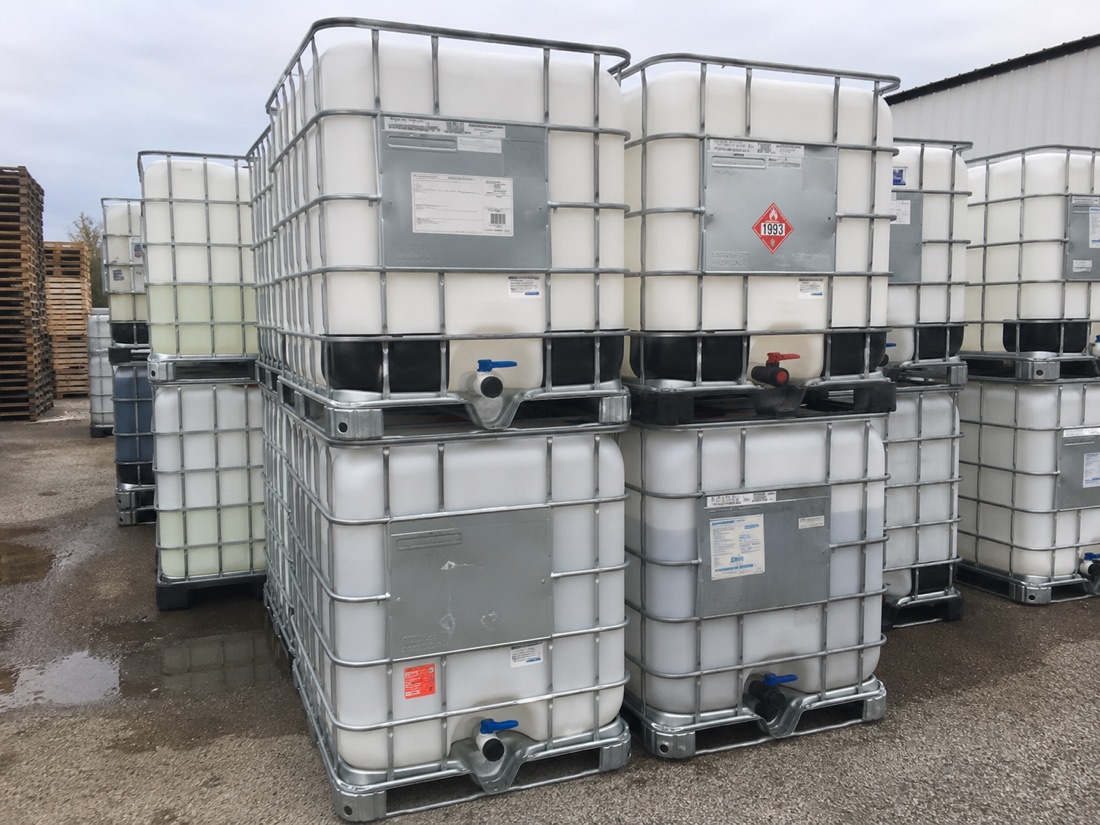
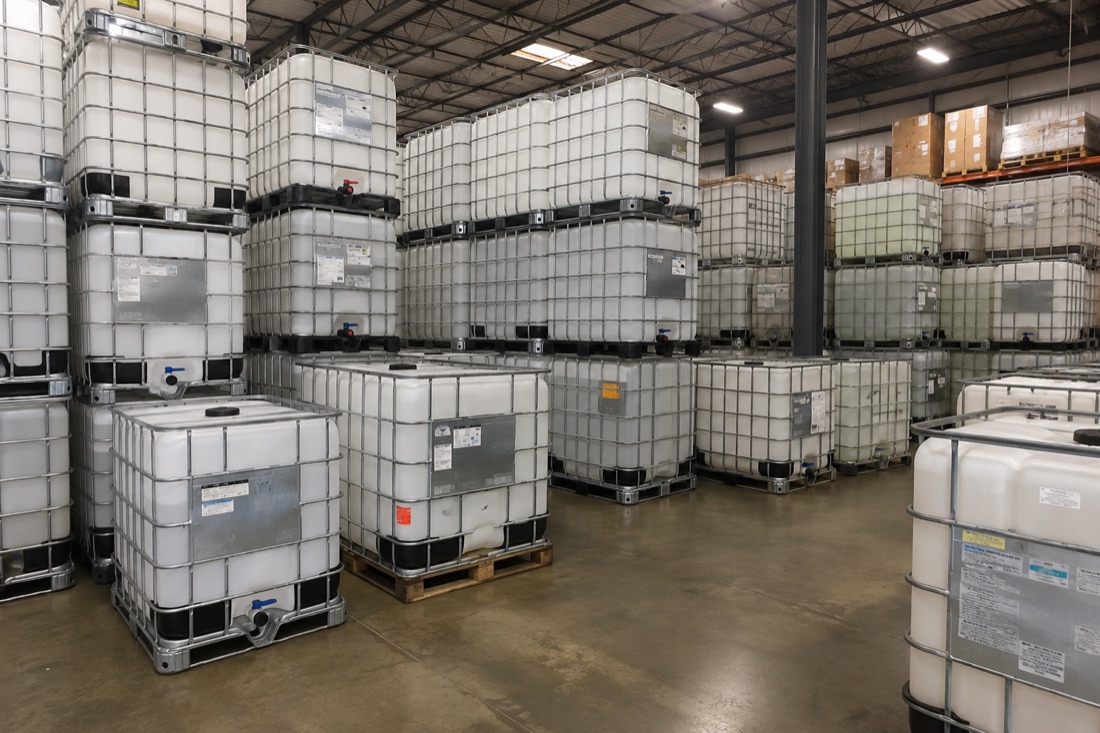
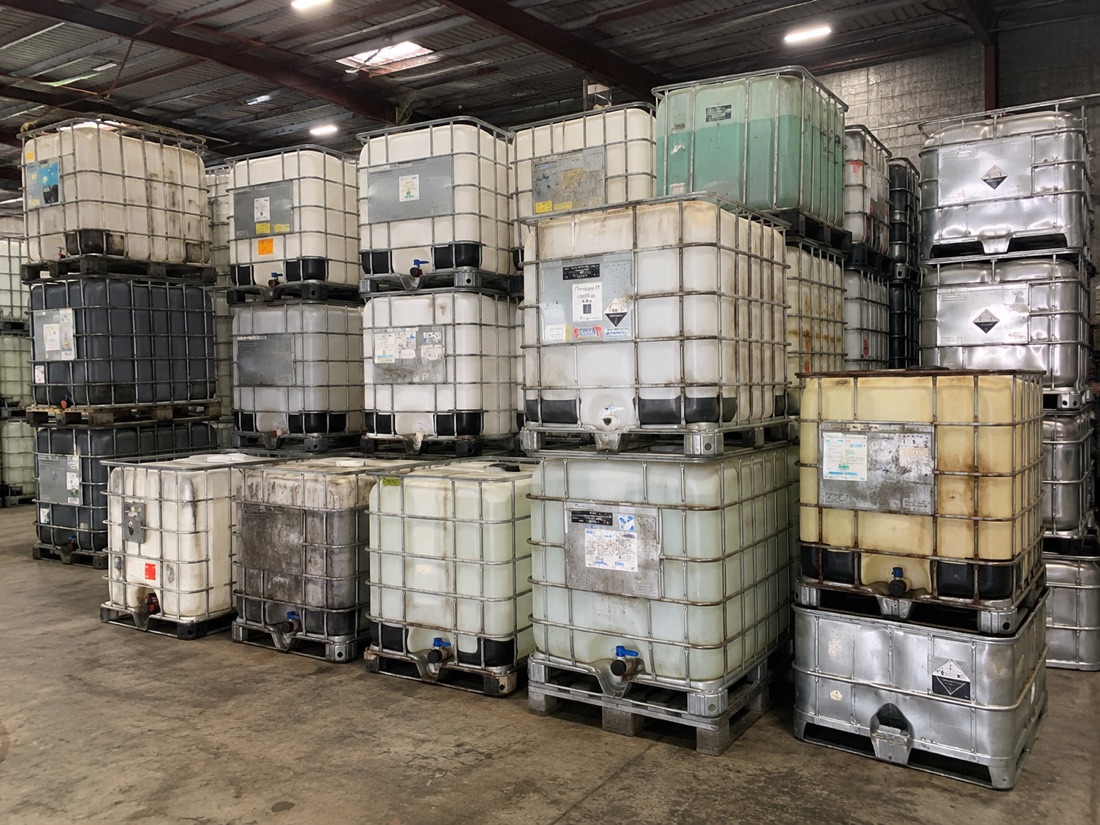
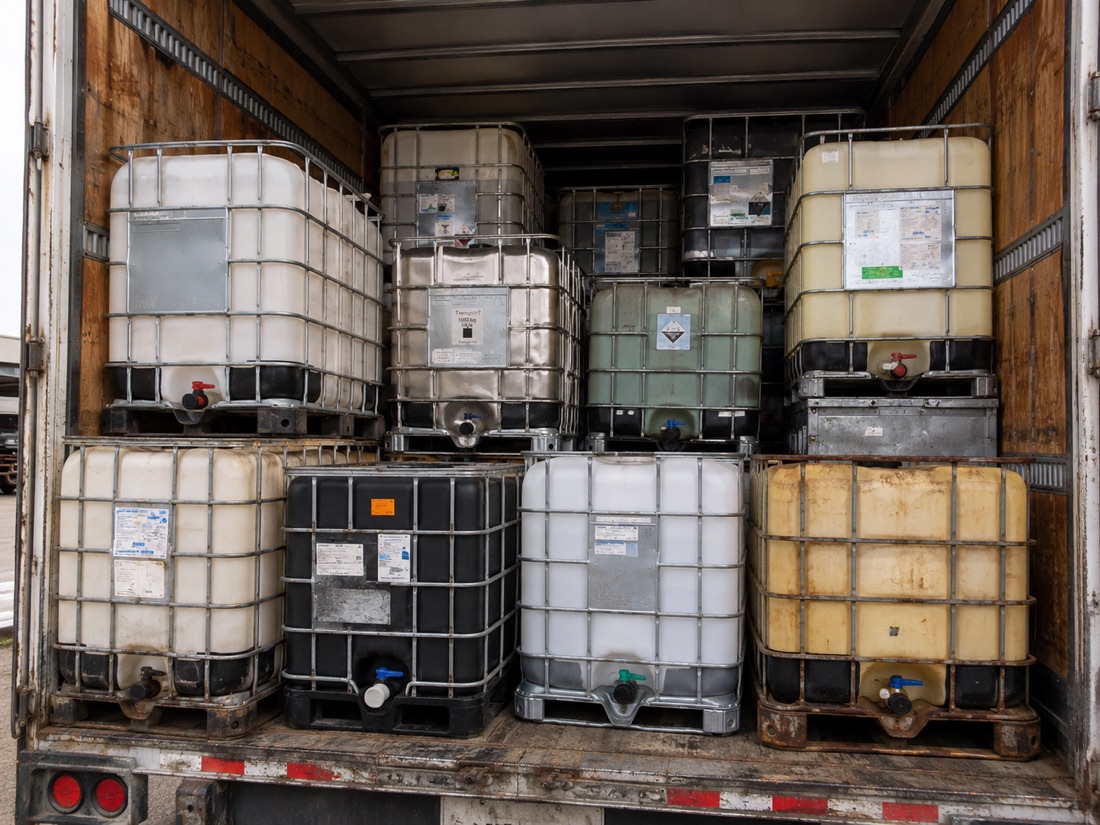
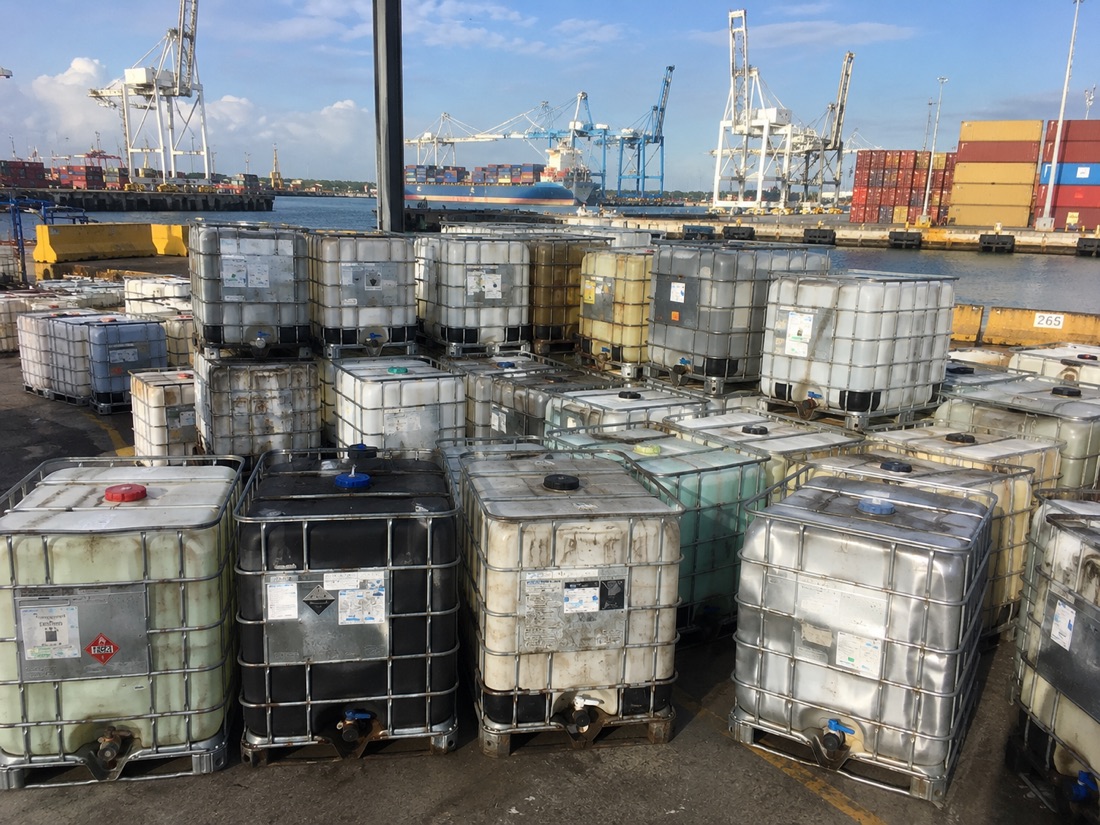
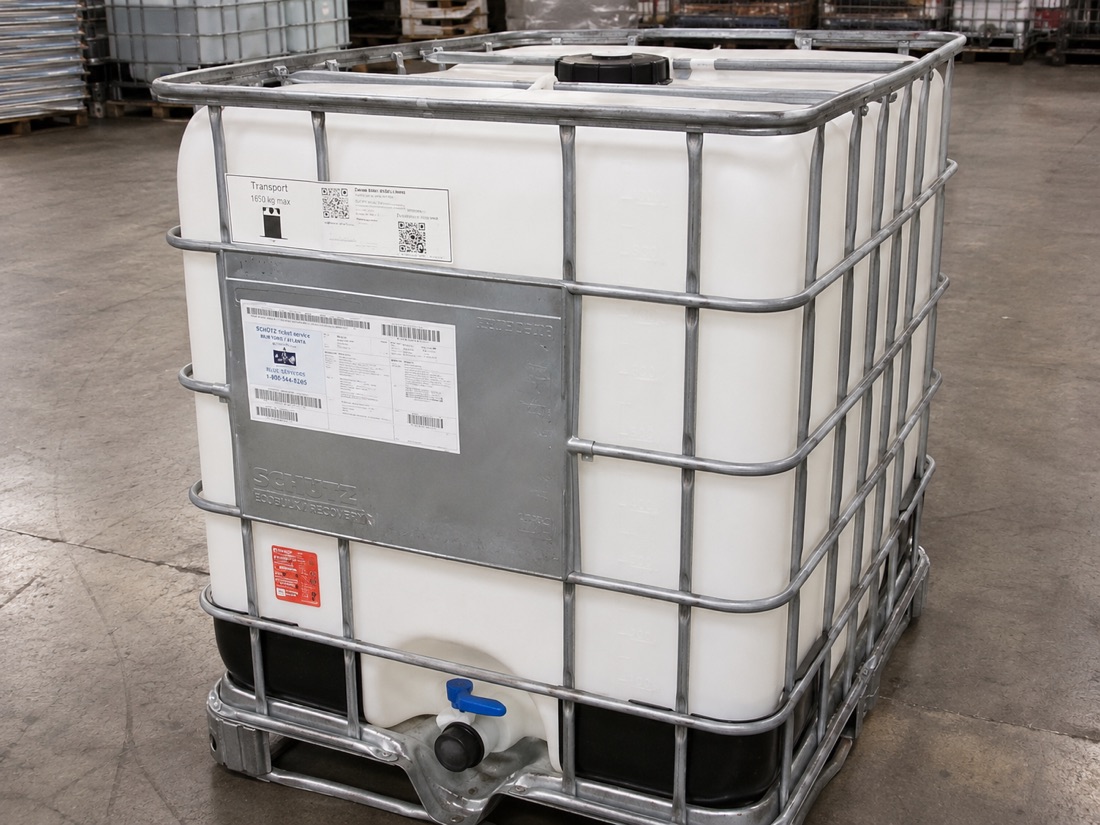
Every IBC eventually falls out of the product-handling world. The bottle scuffs, the certification lapses, or the buyer just wants a cheaper cage. That does not make it garbage. A retired tote is 275 or 330 gallons of thick HDPE wrapped in a galvanized steel cage sitting on a pallet, and that is a remarkable amount of raw material for a weekend project.
Before you cut anything, clean it. A tote that held solvents, pesticides, or unknown chemistry is not a candidate for a rainwater or garden build no matter how well you rinse it. Start with a unit whose last contents you can verify. Our repurposed totes are already sorted for exactly this kind of reuse, so you are not guessing about history.
Cutting a tote is easy. Cutting a clean tote you can trust is the whole game.
Grouping the projects
The twelve builds below fall into three families: things that hold water, things that hold stuff, and things that hold the shop together. Pick based on what your last tote actually carried.
Water and garden builds
- Rain harvesting barrel. The classic. Add an overflow port near the top, a spigot near the bottom on the existing valve, and a fine screen over the fill hole. One tote captures a surprising amount off a modest roof during a Texas storm.
- Drip irrigation reservoir. Elevate the tote on cinder blocks and gravity feeds a whole row of raised beds through the discharge valve. No pump required.
- Raised planter bed. Cut the bottle horizontally into two open troughs, drill drainage, and drop them into the cage halves. You get two waist-high beds from one tote.
- Aquaponics grow bed. The cut-top bottle becomes a media bed; a second tote below becomes the fish tank. The cage keeps everything square and liftable.
Storage and containment builds
- Firewood and kindling crib. Strip the bottle entirely and keep the steel cage. It is a rugged, ventilated, stackable firewood holder that shrugs off weather.
- Bulk feed or grain bin. For a farm, the sealed bottle keeps feed dry and rodent-resistant; the valve lets you dispense from the bottom.
- Tool and hardware caddy. Cut a large access window in one face of the bottle, add a shelf, and mount it to the cage. Rolling casters on the pallet make it mobile.
- Sandbag or aggregate hopper. Cut the bottle at an angle so the valve becomes a chute. Fill from the top, shovel-free dispensing from the bottom.
Shop infrastructure builds
- Portable parts washer. With a small pump and a solvent-safe basin cut into the top, a tote base becomes a low-cost recirculating washer. (Verify chemical compatibility first.)
- Welding or grinding screen wall. Flatten and mount cut bottle panels as spark shields, or use the cages as a frame for movable screens.
- Compost tumbler. Mount the sealed bottle on a horizontal axle through the cage, cut a hatch, and turn it by hand. The cage becomes the cradle.
- Workbench with storage base. Cap a cut tote with a plywood or steel top and you have a heavy, stable bench with 200-plus gallons of enclosed storage underneath.
Tools and cutting technique
You do not need a fabrication shop. HDPE cuts cleanly with common tools.
| Cut | Best tool | Notes |
|---|---|---|
| Long straight lines | Circular saw or jigsaw | Fine-tooth blade, slow feed |
| Curves and windows | Jigsaw | Drill a starter hole first |
| The steel cage | Angle grinder or bolt cutters | Wear eye and hand protection |
| Deburring edges | Utility knife or file | Smooth every cut edge |
A few habits keep the work safe and the result clean:
- Mark twice, cut once. HDPE panels are stiff but not forgiving of a wandering line.
- Support the panel so it does not pinch the blade as you finish a cut.
- Deburr everything. A sharp HDPE edge will slice a hand as readily as sheet metal.
- Keep the valve whenever a project dispenses liquid. It is engineered plumbing you already own.
Match the build to the tote's history
This is the part people skip, and it is the part that matters most.
A tote that carried food-grade syrup, water, or a benign surfactant is fair game for almost anything, including garden and water projects. A tote that carried an industrial chemical is fine for firewood cribs, tool caddies, aggregate hoppers, and other non-contact builds, but it has no business feeding your tomatoes.
When you are not sure what a unit held, treat it as industrial. If you want certainty, buy a tote sorted for reuse and check our grades guide to understand what the labels on a reconditioned unit actually mean. The grade tells you how the bottle was cleaned and what it is cleared to do next.
Why this is worth the Saturday
A single 275-gallon HDPE bottle represents roughly 40 to 50 pounds of high-quality plastic, plus 100-plus pounds of recyclable steel in the cage. Turning that into a rain barrel or a workbench is not just thrifty; it is the highest and best use of a manufactured object that already spent the energy to exist.
Recycling is good. Reuse is better, because it skips the melt-and-reform step entirely and keeps every gram of embodied energy in service. That is the whole idea behind our sustainability program, and it starts with someone deciding a retired tote is a beginning rather than an ending.
Build something. Then send us a photo.