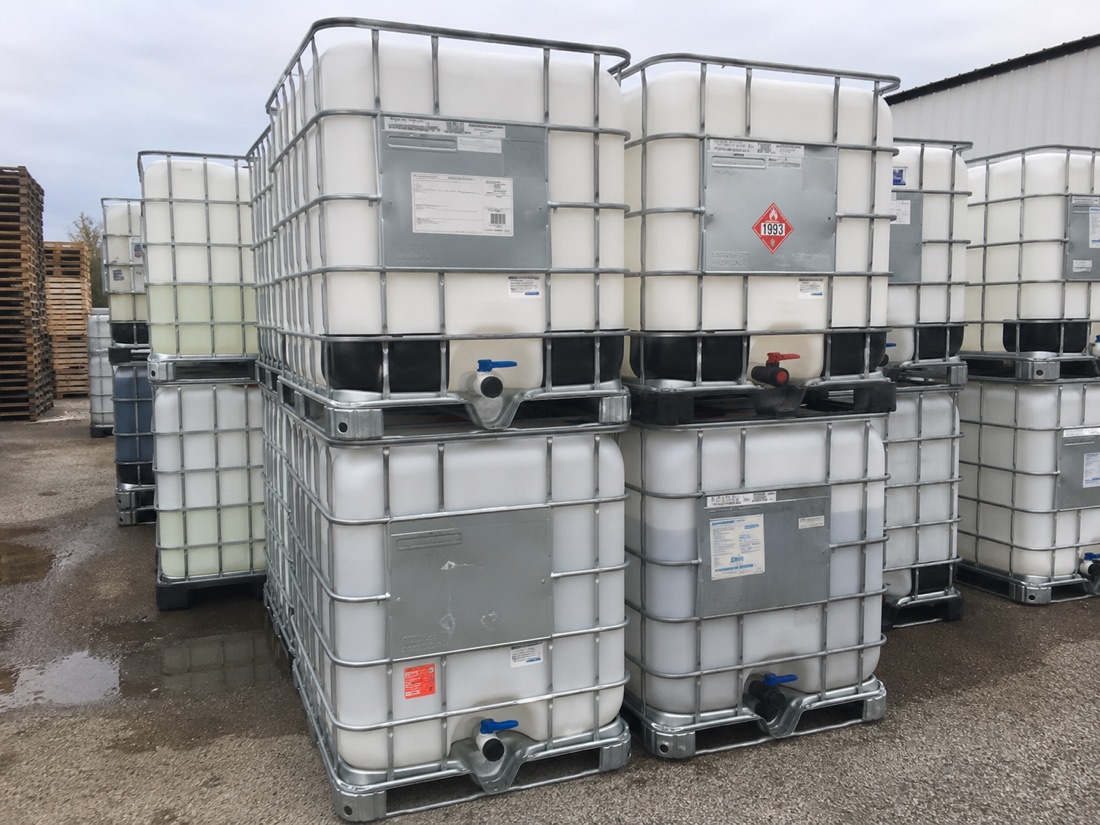
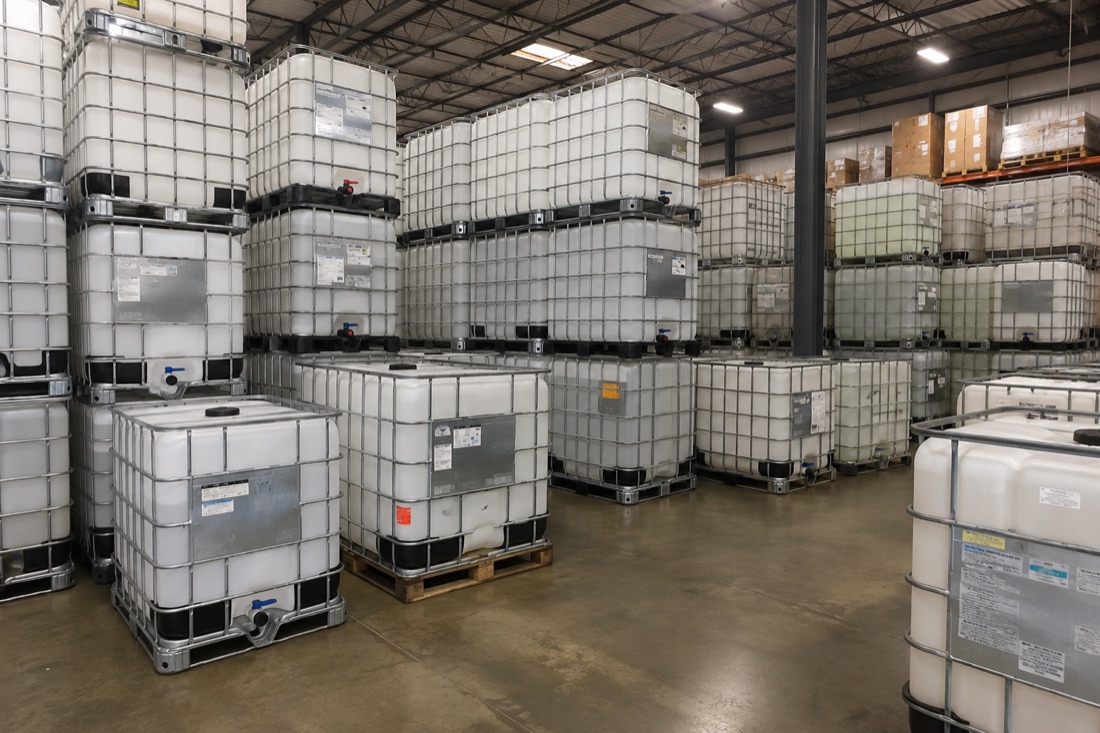
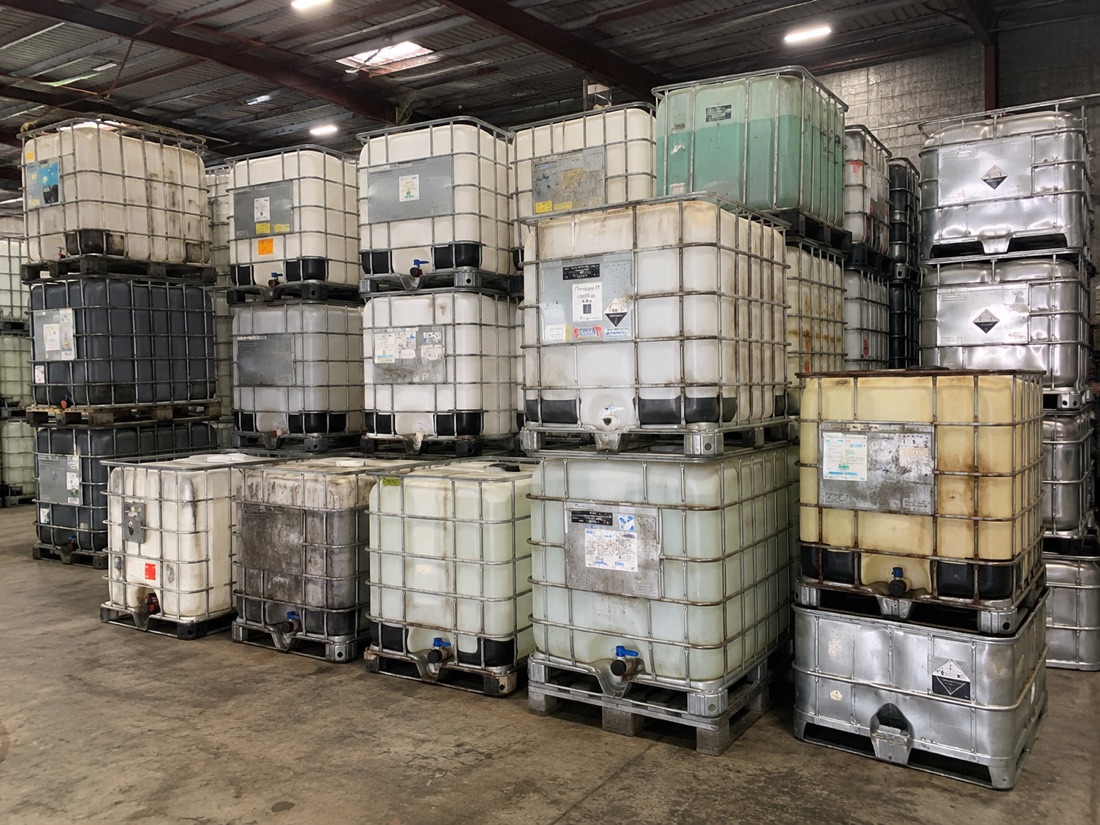
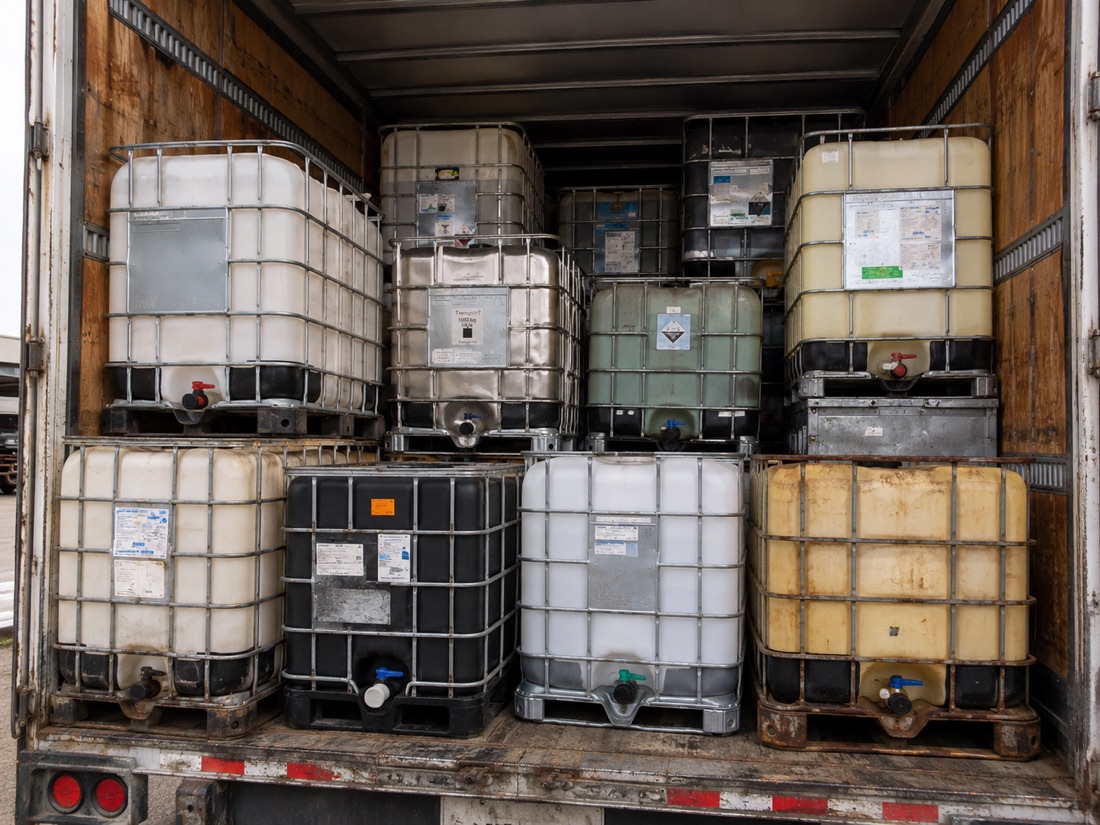
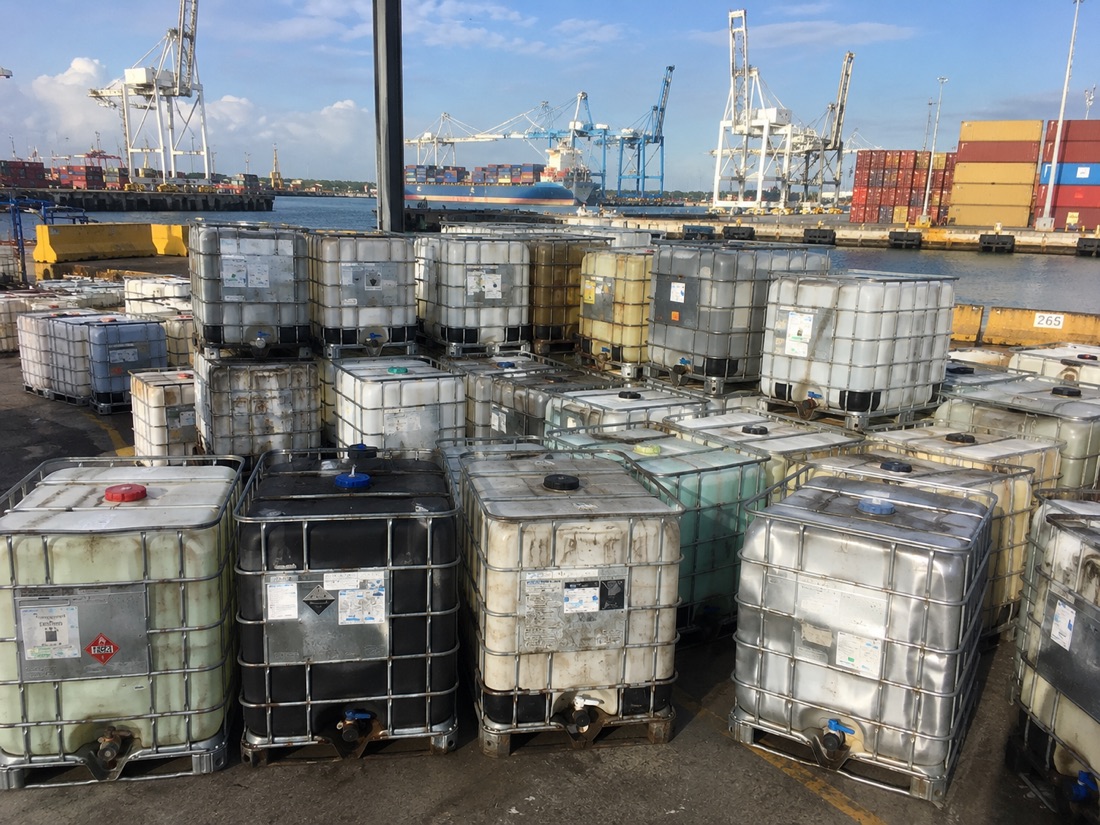
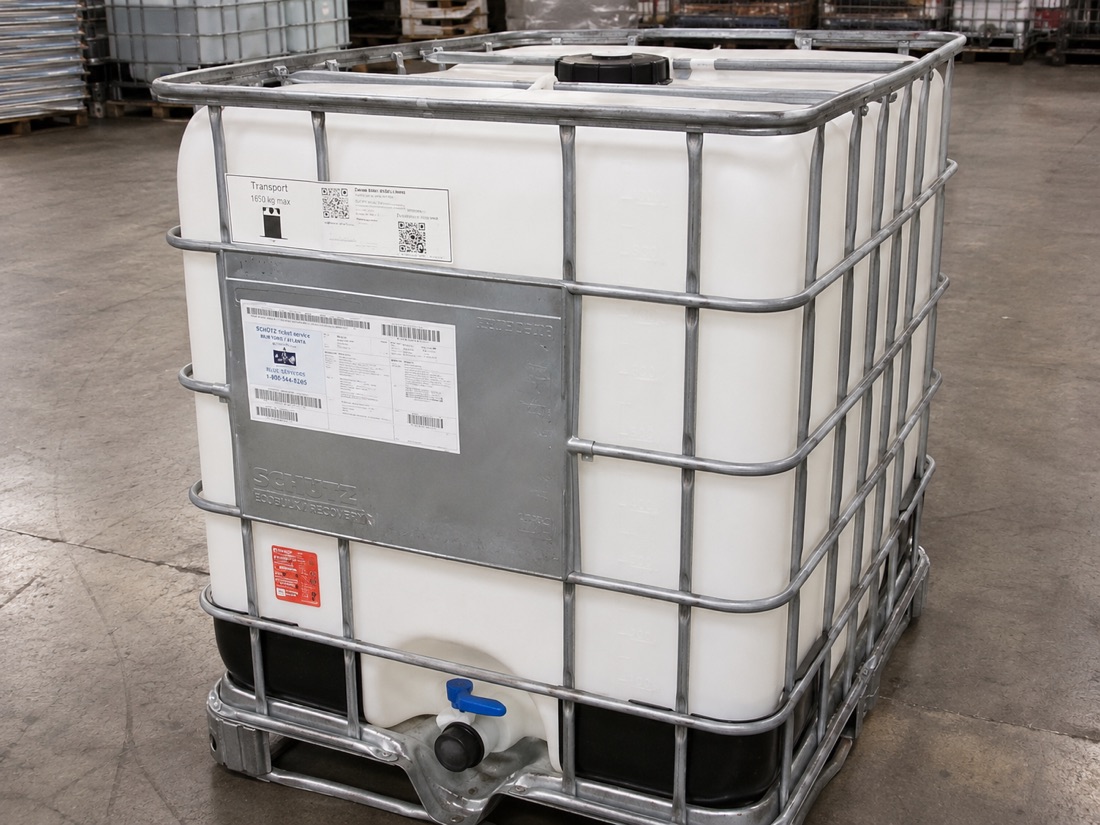
People are often surprised at how industrial a reconditioning line looks. They imagine a hose and a rag. What actually happens is closer to a small factory: heated wash bays, pressure heads on articulated arms, leak-test rigs, and a paperwork trail on every single unit. I run that line, and I want to show you what a used tote goes through before it earns the word "reconditioned."
Step one: receiving and the honesty check
Every inbound tote gets logged before it moves anywhere. We record the prior contents from the label, the cage condition, the bottle clarity, and the valve type. This is the honesty check. If a tote arrives with a prior product we cannot fully verify or safely remove, it does not go into the reuse stream at all; it is diverted to material recovery.
The single most important thing we do here is sort by prior contents. A tote that held vegetable glycerin and one that held a solvent-based coating never share a wash cycle. That separation is the foundation of everything downstream.
The eleven steps
Here is the actual sequence a qualifying tote follows. It is deliberately linear so nothing gets skipped.
- Intake and log — barcode assigned, prior contents recorded, photos taken.
- Drain and residue capture — heels are pumped to labeled residue drums, never to a floor drain.
- Cage inspection — welds, feet, and rails checked; bent cages go to the straightening jig.
- Wash one: hot caustic — a heated alkaline pass that lifts oils, sugars, and films.
- Wash two: high-pressure rinse — rotating heads reach every interior wall and the dome.
- Wash three: final potable rinse — clean water only, to flush any cleaning agents.
- Interior inspection — a lighted camera check for haze, residue, or stress cracks.
- Dry — forced-air drying so no moisture is trapped before sealing.
- Hardware replacement — new gasket, new cap, valve replaced or verified.
- Leak and pressure test — the unit is sealed and checked for weeping seams.
- Grade, label, and stage — assigned a grade, relabeled, and moved to outbound.
Why three washes and not one
The obvious question is why we do not just blast a tote once at high pressure and call it done. The answer is chemistry, not effort.
- The caustic wash does chemical work. Heat plus alkalinity saponifies fats and dissolves sugars that pressure alone will smear around but never remove.
- The pressure rinse does mechanical work. It shears loosened film off the walls and reaches the geometry a wand cannot, especially the top dome and the discharge sump.
- The potable rinse does insurance work. It guarantees no cleaning chemistry rides along into your product.
Skip any one of the three and you get a tote that looks clean but is not. Grease that has been redistributed rather than removed is the classic failure, and it is exactly the thing a lighted interior inspection is designed to catch.
Clean is a measurement, not an opinion. If an inspector cannot see through the wall clearly under a lamp, the tote goes back through the line. There is no negotiating with a haze.
The parts we always replace
Reconditioning is not just washing. Certain components are consumables, and reusing them is false economy.
| Part | Policy | Reason |
|---|---|---|
| Cap gasket | Always replaced | Compresses and cracks; a $2 part prevents a leak |
| Screw cap | Replaced if worn | Cross-threading risk on reused caps |
| Discharge valve | Verified or replaced | Butterfly seats wear and weep |
| Cage bolts | Retorqued or replaced | Vibration loosens them in transit |
Fresh hardware is a big part of why a reconditioned unit performs like new. If you need spares or upgraded fittings for your own fleet, those are stocked on our accessories page.
Grading: telling the truth about condition
Not every tote comes off the line identical, and pretending otherwise would be dishonest. After inspection we assign a grade that reflects cosmetic and functional condition, from near-new units to sturdy workhorses with cosmetic marks. That grade is what determines price and suitability, and we publish exactly what each one means on our grades reference so you can match a unit to your application without guessing.
A food-adjacent rinse tank and an outdoor rainwater cistern have very different needs, and the grade system exists so you pay for what you actually require, no more.
What you get at the end
The tote that rolls onto the outbound truck has been drained, chemically washed, pressure-washed, potable-rinsed, inspected under light, dried, re-gasketed, valve-verified, pressure-tested, graded, and relabeled, with a record of every step tied to its barcode. That is the difference between a used tote and a reconditioned tote.
If you have a stream of empties sitting on your yard, that same line can process them; our buying service picks up qualifying totes and puts them back into circulation instead of a landfill. Send us the details through contact and we will tell you honestly which units can be reborn and which are ready for recovery.