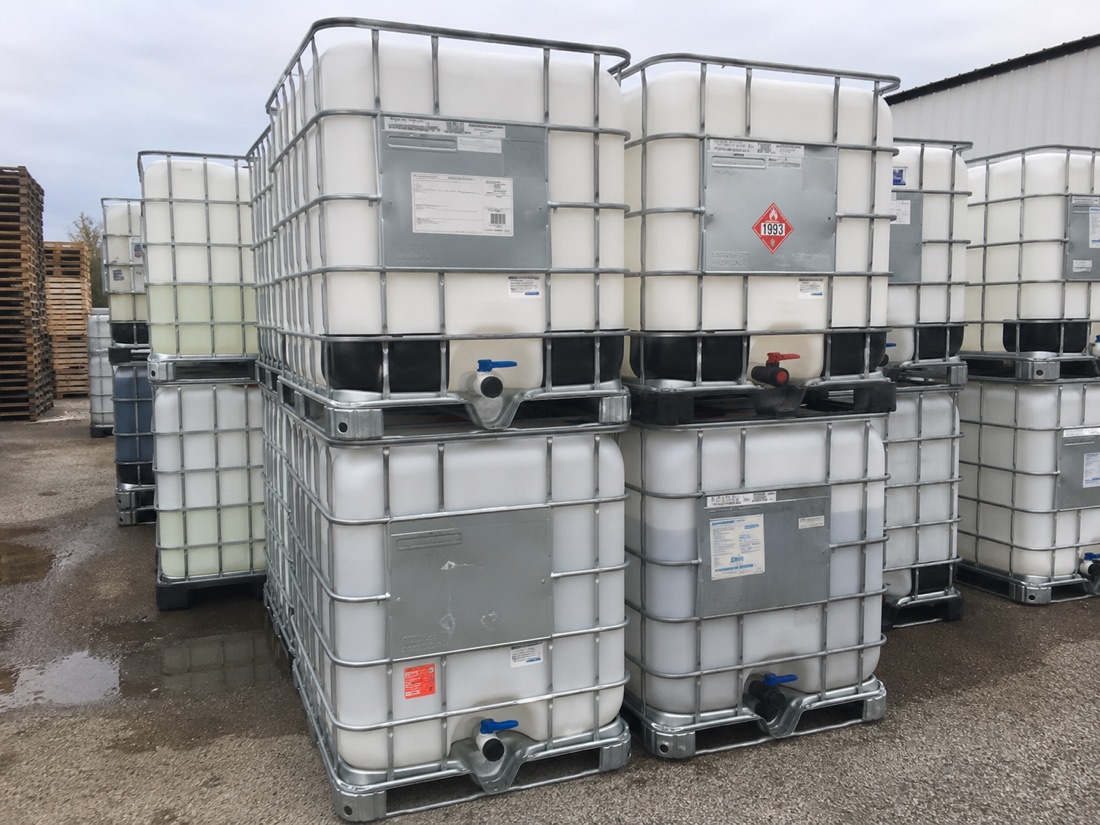
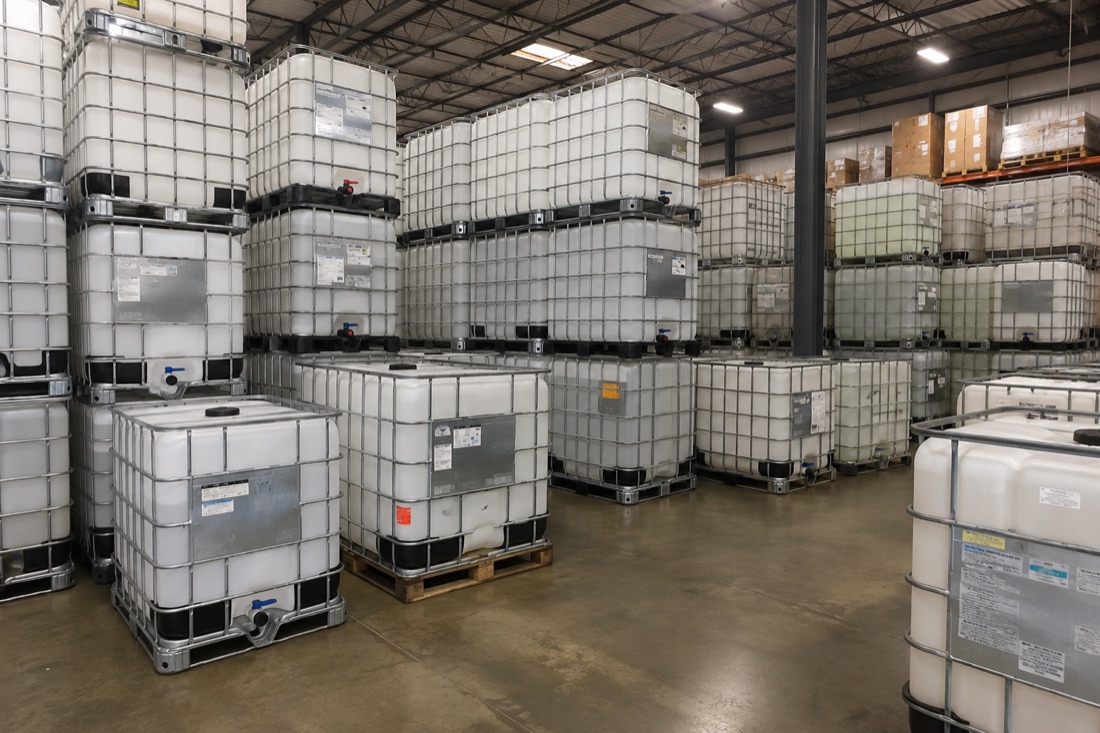
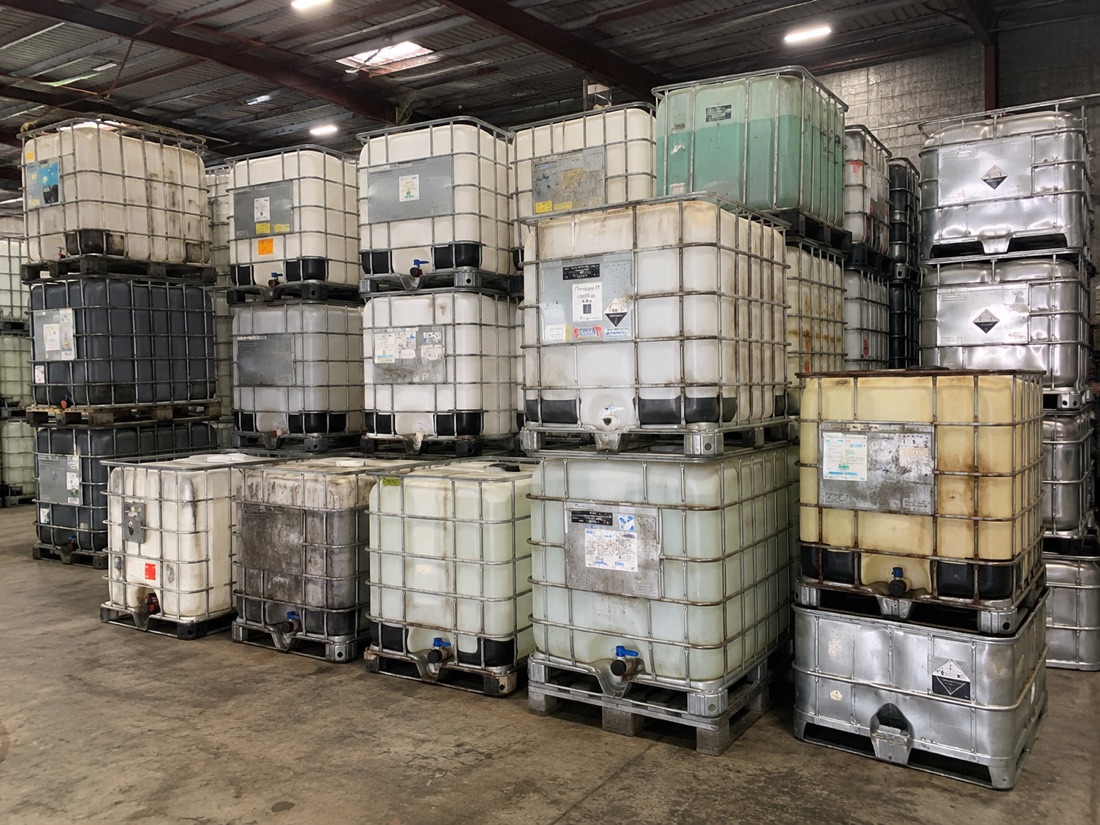
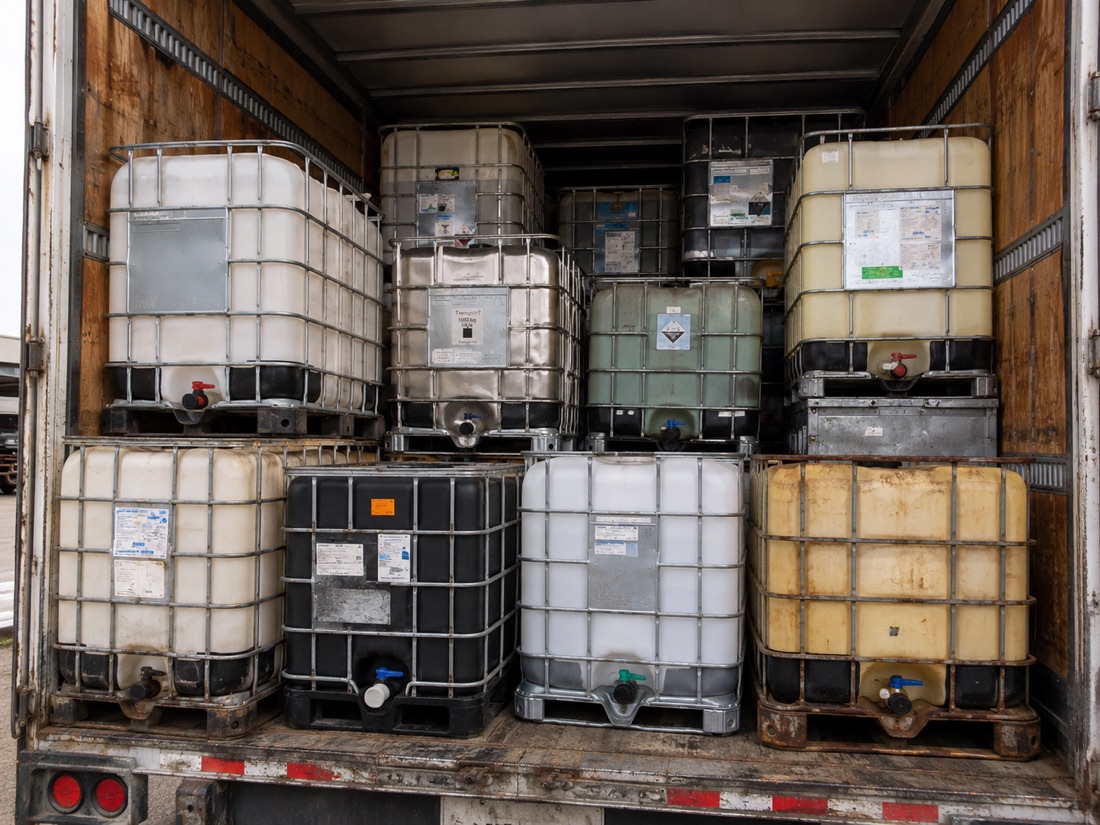
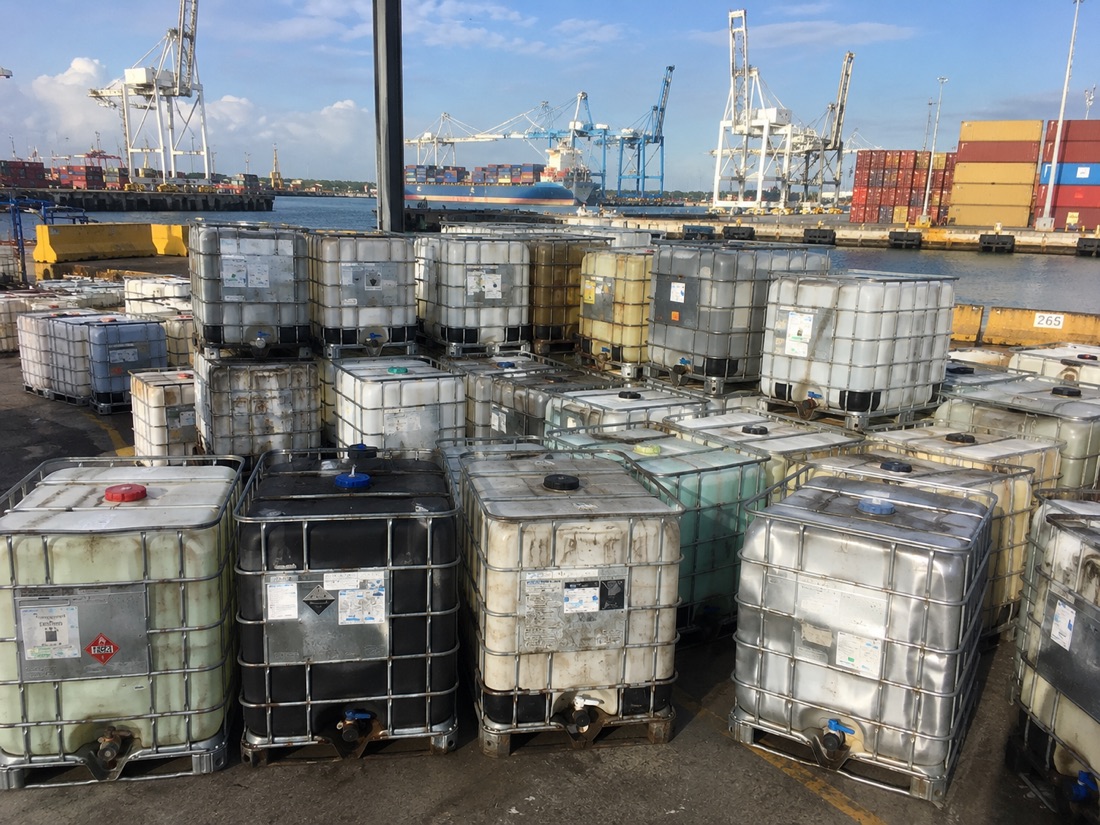
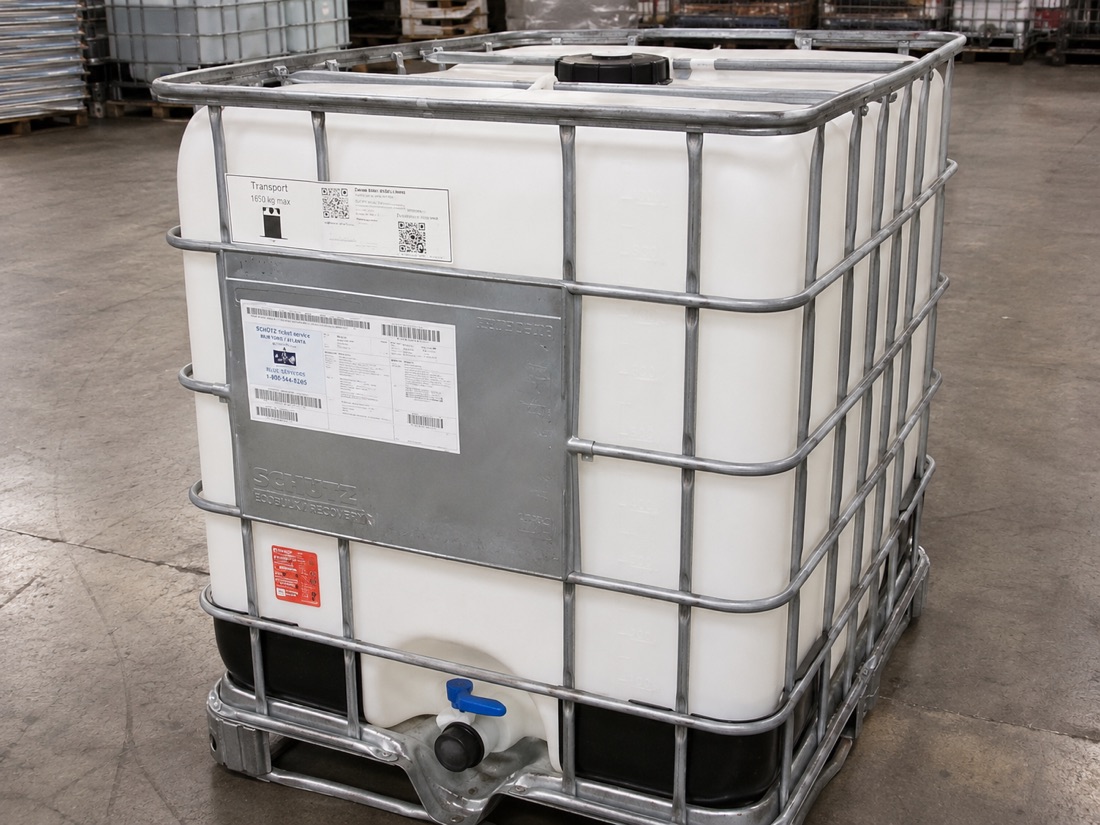
The phrase circular economy gets used loosely, so let me ground it in something concrete: a 275-gallon IBC tote. Follow one tote through its life and you can see the entire circular economy model in a single object, including where it works, where it breaks down, and where a company like ours fits in. This is the framework we use to think about every tote that rolls onto our lot.
Linear Versus Circular, in One Picture
The old linear economy is a straight line: extract raw materials, manufacture, use once, throw away. A tote made, filled, emptied, and landfilled is pure linear thinking. It buries a rugged steel-and-HDPE container after a single trip.
The circular economy bends that line into a loop. The goal is to keep materials at their highest useful value for as long as possible, then recover the materials when the object finally cannot serve. For totes, that loop has a clear hierarchy.
The Reuse Hierarchy for Totes
Not all circularity is equal. Reusing an object as-is preserves far more value and energy than melting it down. Here is the hierarchy, best first.
- Reuse: empty a tote, clean it, refill it with the same or a compatible product. Nothing is destroyed; the container simply cycles again.
- Recondition: professionally wash, inspect, replace worn parts, and re-grade a used tote for a new duty. This is reuse with a quality guarantee.
- Repurpose: give a tote a second life in a different application, such as rain capture or secondary containment, when it no longer meets its original spec.
- Remanufacture: rebuild a tote by rebottling a good cage or recaging a good bottle, salvaging the healthy half.
- Recycle: shred the HDPE and reclaim the steel when the container is truly at end of life.
- Dispose: landfill, the last resort and a failure of every step above.
Every rung you climb up this ladder saves more energy, more raw material, and more embodied carbon than the rung below it. Recycling is good. Reuse is far better.
Why Reconditioning Beats Recycling
It is tempting to think recycling closes the loop, so recycling is the win. But recycling a tote means destroying a functional container to recover raw plastic, then spending energy to remake a new container. Reconditioning skips that whole destructive round trip.
| Path | What happens | Relative resource cost |
|---|---|---|
| Recondition | Wash, inspect, re-part, re-grade | Lowest |
| Remanufacture | Rebottle or recage | Low |
| Recycle to new tote | Shred, pelletize, mold new bottle | High |
| Make from virgin resin | Extract oil, refine, mold | Highest |
A reconditioned tote delivers the same service as a new one while avoiding almost all of the material and energy that a new tote demands. That is why our reconditioned totes are the environmental default, and why we push recycling only when a tote genuinely fails inspection.
Where the Loop Actually Breaks
Circular systems fail for boring, practical reasons, and understanding them is half the work.
- Contamination: a tote that held an aggressive chemical may be unsafe to reuse for anything else, forcing it down to recycling. Good handling upstream keeps totes reusable.
- Logistics gaps: an empty tote sitting in a warehouse two thousand miles from anyone who wants it is not circular; it is just idle. Moving empties efficiently is what makes reuse real.
- Cage and pallet damage: a cracked cage weld or rotted wood pallet can condemn an otherwise fine bottle.
- Lack of demand signal: if no one is buying used, sellers scrap. A liquid market for used totes is the engine of the whole loop.
This is exactly why our business exists on both sides of the transaction. Our buying service pulls empties back into circulation, and our selling service puts them back to work, closing the physical loop that recycling alone cannot.
The Carbon Math, Briefly
Every tote reused instead of remade avoids the emissions of producing roughly 30 to 40 pounds of virgin HDPE plus the steel cage, along with the transport of raw materials to a molder. Multiply that across thousands of totes a year and the reuse loop quietly offsets a meaningful volume of industrial carbon. Reuse is not a feel-good gesture; it is measurable resource efficiency, and we track the details on our sustainability page.
What a Buyer Can Do to Keep Totes Circular
You do not need to run a wash line to participate in the loop. A few habits from any tote user keep containers climbing the hierarchy instead of sliding toward the landfill.
- Empty totes cleanly and cap them so residue does not harden or contaminate.
- Keep the original label and SDS with the tote so its history stays known.
- Protect the cage and pallet during handling; damage is what condemns good bottles.
- Sell or return empties instead of stockpiling them; an idle tote helps no one.
- Buy reconditioned when your application allows it, which sends a demand signal that funds the whole system.
The Takeaway
The circular economy is not an abstraction when you are holding a tote. It is a set of concrete choices about whether a rugged, reusable container gets a second life or gets buried after one trip. Reuse first, recondition when in doubt, repurpose creatively, and recycle only at true end of life. Do that at scale and bulk packaging stops being a waste problem and becomes a resource that keeps paying dividends. If you have empties to move or a fleet to green up, start a conversation through contact.