The uncomfortable truth about washing
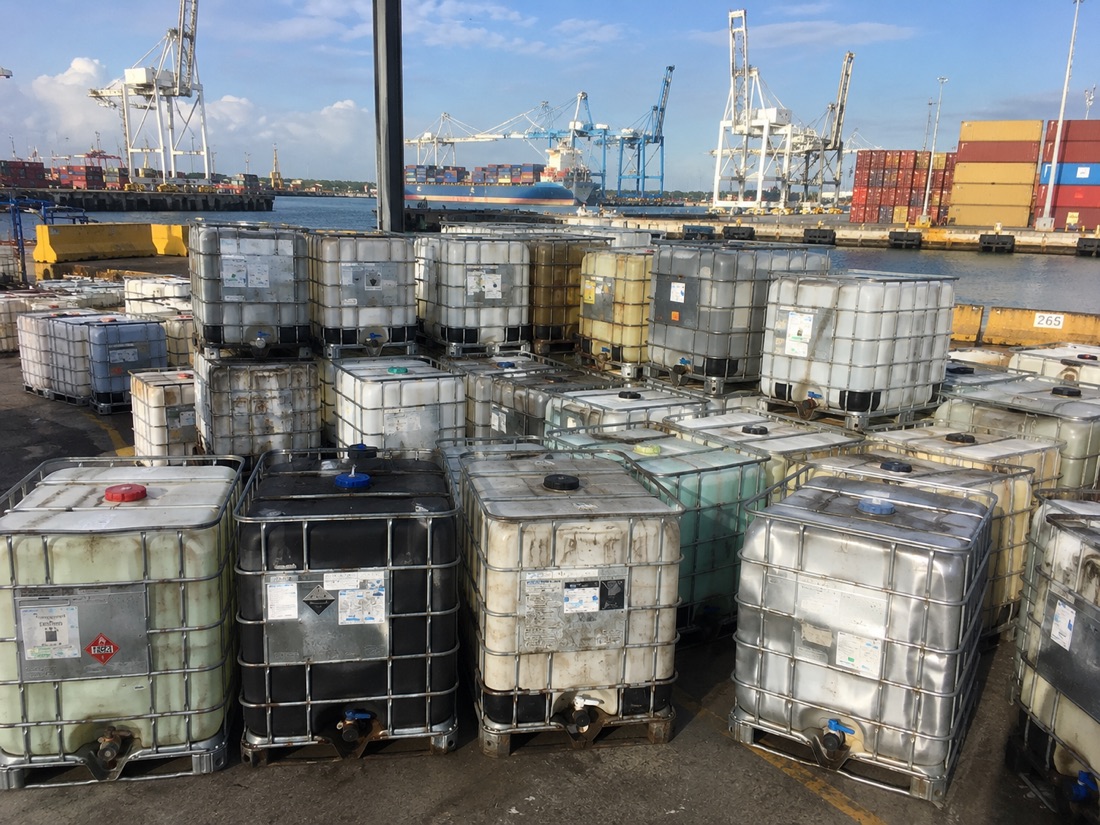
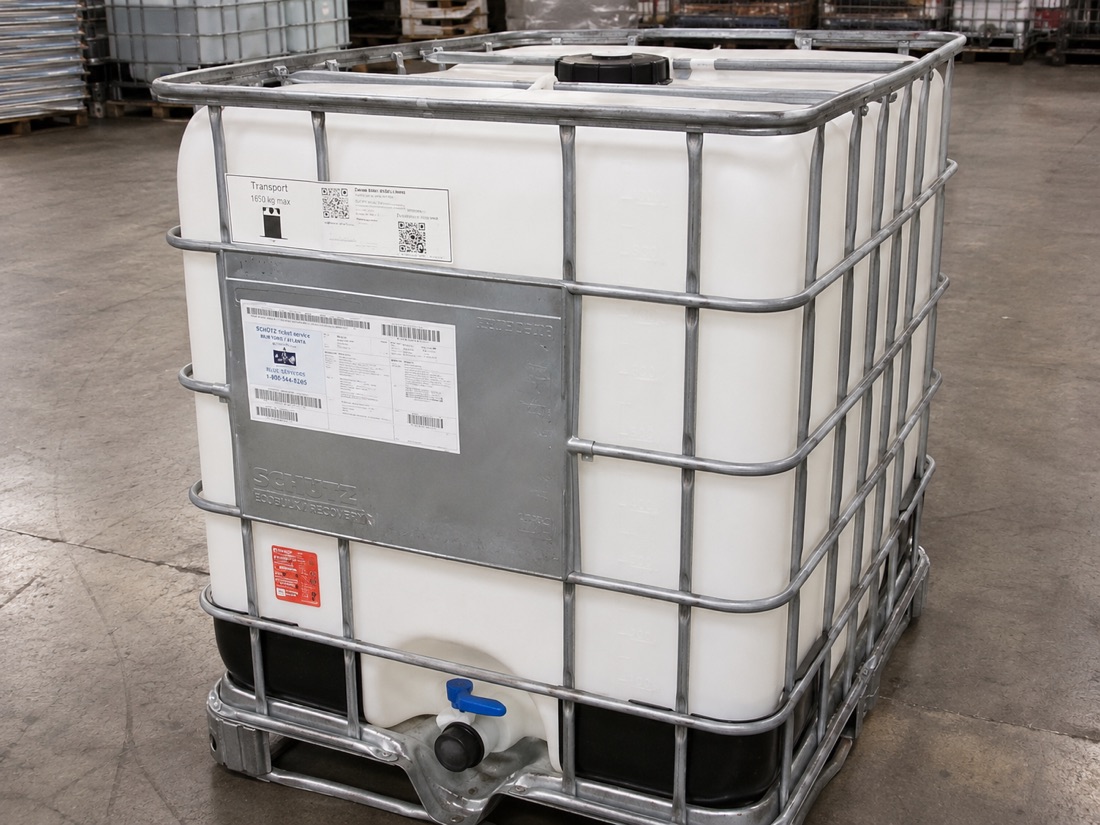
Reconditioning a tote is overwhelmingly good for the environment. It avoids the huge embodied energy of a new container, keeps a durable asset in service, and diverts it from landfill. But there is one input that a reconditioning operation consumes in real volume: water.
Cleaning the interior of a large container to a high standard takes water. If every tote got a single-pass wash, fresh water in, dirty water straight to the drain, a busy reconditioning floor would consume an uncomfortable amount of it. We did not want the water cost of reuse to undercut the environmental case for reuse. So we built our cleaning around recirculation. Here is how it works and why it matters.
Single-pass versus recirculating
The naive way to wash is single-pass: draw fresh water, spray it through the tote, and send the used water down the drain. It is simple and it is wasteful. Every tote consumes a full charge of fresh water that is used once and discarded, often still mostly clean.
A recirculating system flips the logic. Instead of discarding wash water after one use, it captures, filters, and reuses it across many wash cycles.
| Approach | Fresh water per tote | Water discharged |
|---|---|---|
| Single-pass | Full charge | Full charge |
| Recirculating | Small make-up only | Only when spent |
The difference is not marginal. A well-run recirculating loop can clean many totes on water that a single-pass system would burn through on a handful. That is the core of how we keep the water footprint of reconditioning small.
How the loop works
Our system runs on a straightforward closed-loop principle:
- Wash. Water and food-safe detergent clean the tote interior, reaching the walls, corners, and bottom.
- Capture. Used wash water drains into a collection tank rather than to the sewer.
- Filter and settle. The captured water passes through filtration and settling that removes suspended solids and separates residues, so the water is genuinely clean enough to reuse, not just recycled in name.
- Recirculate. The reconditioned water returns to the wash supply for the next cycle.
- Top up. Only a small volume of fresh make-up water is added to replace what leaves with each tote and evaporation.
- Discharge responsibly. Water is only fully discharged when it has reached the end of its useful life, and then in compliance with local wastewater regulations.
The principle is exactly the same one that governs our whole business: use a resource for as many cycles as it can safely serve before releasing it. We apply reuse to the water, not just the totes.
Staging by cleanliness
A refinement that stretches water further: we stage cleaning by how dirty a tote is. A lightly soiled food-grade tote does not need the same intensity as a heavily residued one, and matching the wash to the need avoids spending clean water where it is not required.
This staging also protects the loop. Sending only appropriately pre-rinsed totes into the recirculating wash keeps the loop water cleaner longer, which extends how many cycles it serves before it must be replaced. A little sequencing discipline multiplies the water savings.
Where it fits the bigger picture
Water conservation in cleaning is not a standalone gesture; it closes a gap in the reuse argument. When we tell customers that a reconditioned tote is dramatically lower-impact than a new one, the honest version of that claim has to account for the water and energy spent cleaning it. Recirculation is what keeps that cleaning cost small enough that the reuse case stays overwhelmingly positive.
It also matters regionally. We operate in Texas, where water is not a resource to take for granted. Building conservation into our process is both good practice and good citizenship in a place that knows what drought looks like.
The full picture of how we think about resource use lives on our sustainability page, and the process fits into the broader recycling and reconditioning work that keeps totes in service.
The honest accounting
I am a sustainability analyst, so I will be direct about the limits. Recirculation does not make cleaning free. There is still make-up water, still energy to heat and pump it, still eventual discharge that must meet regulations, and filtration media that must be maintained. Anyone who tells you their industrial washing uses no water is not being straight with you.
What recirculation does is cut the water consumed per tote by a large factor and keep the environmental math of reuse firmly in the black. The right way to judge a reconditioning operation is not whether it uses water, it must, but whether it treats that water as a resource to conserve or a cost to externalize.
We treat it as a resource. The same instinct that says a tote is too valuable to landfill says the water that cleans it is too valuable to run once and throw away. Reuse is not a single decision about containers. It is a habit of mind that, applied consistently, reaches every input in the process. If you want to see how it works in person, come visit.