Your empties are inventory, not trash
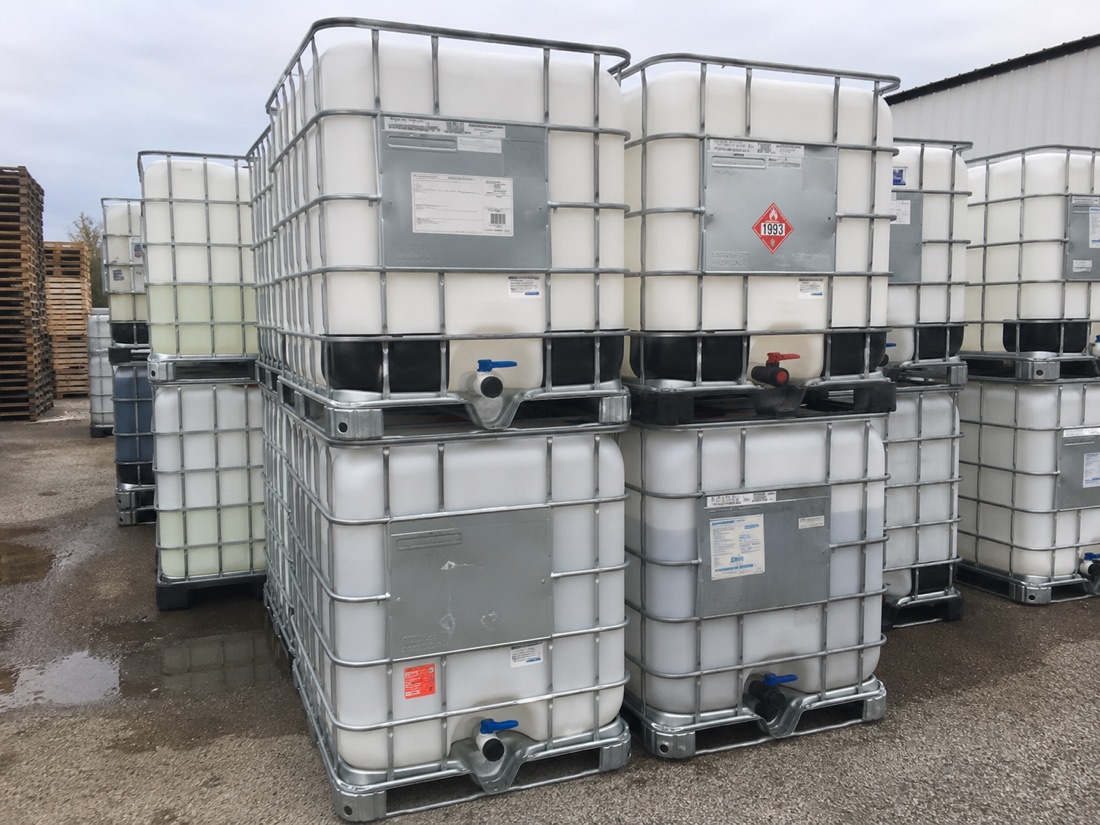
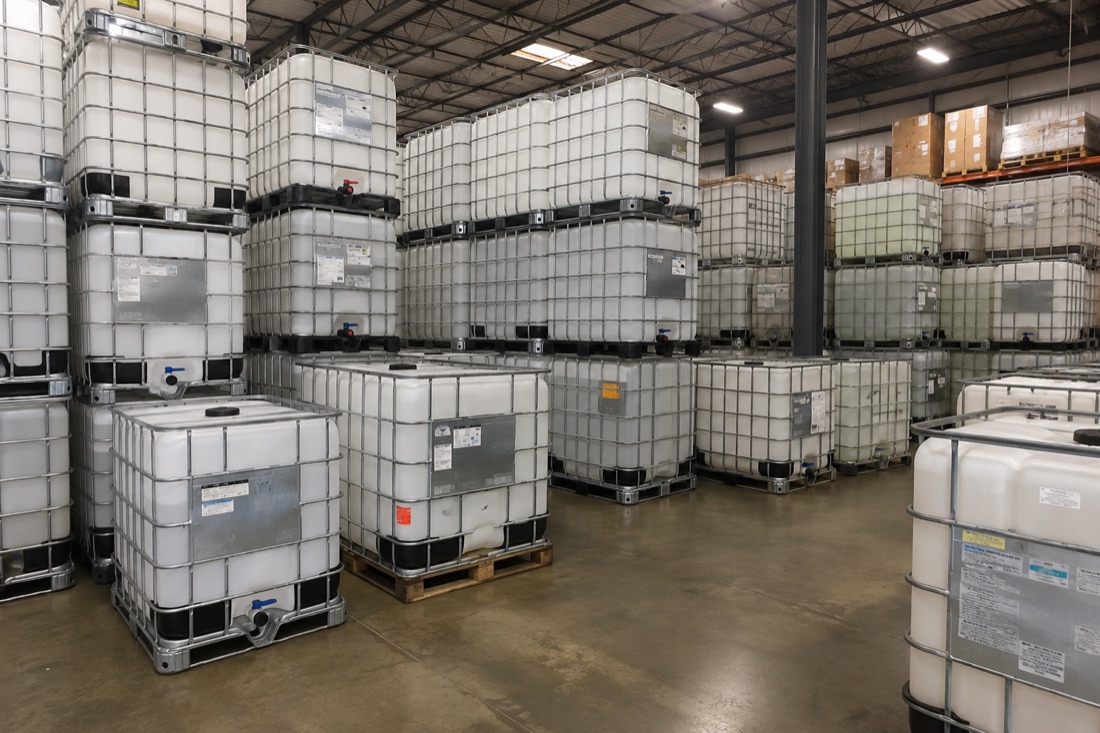
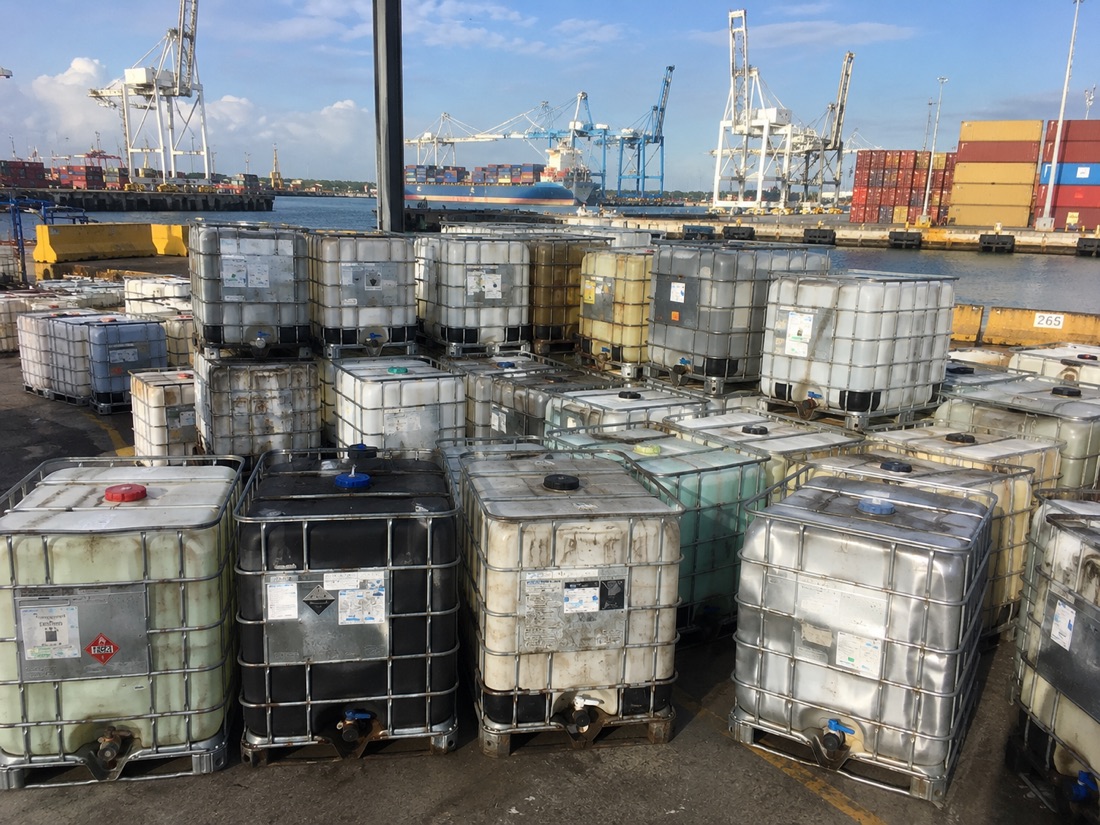
Walk behind almost any manufacturing or agricultural operation and you will find a graveyard of empty IBC totes. Most owners think of them as a disposal problem, something to pay a hauler to take away. That is money walking out the gate. A used tote in sound condition has real resale value, and a yard full of them can be a meaningful check.
The difference between a good price and a giveaway comes down to a handful of things you can control: cleanliness, condition, documentation, sorting, and who you sell to. Get those right and buyers compete for your empties. Get them wrong and you are paying to dispose of an asset.
The tote you paid to have hauled away last month was worth more than the hauling cost. That is the mistake to stop making.
What actually drives the price
Buyers are not guessing when they quote you. They price against a short list of factors, and knowing them lets you see your own pile the way a buyer does.
- Last contents. A tote that held food-grade or benign product is worth far more than one that held an aggressive or unknown chemical, because it can be reconditioned to a higher grade.
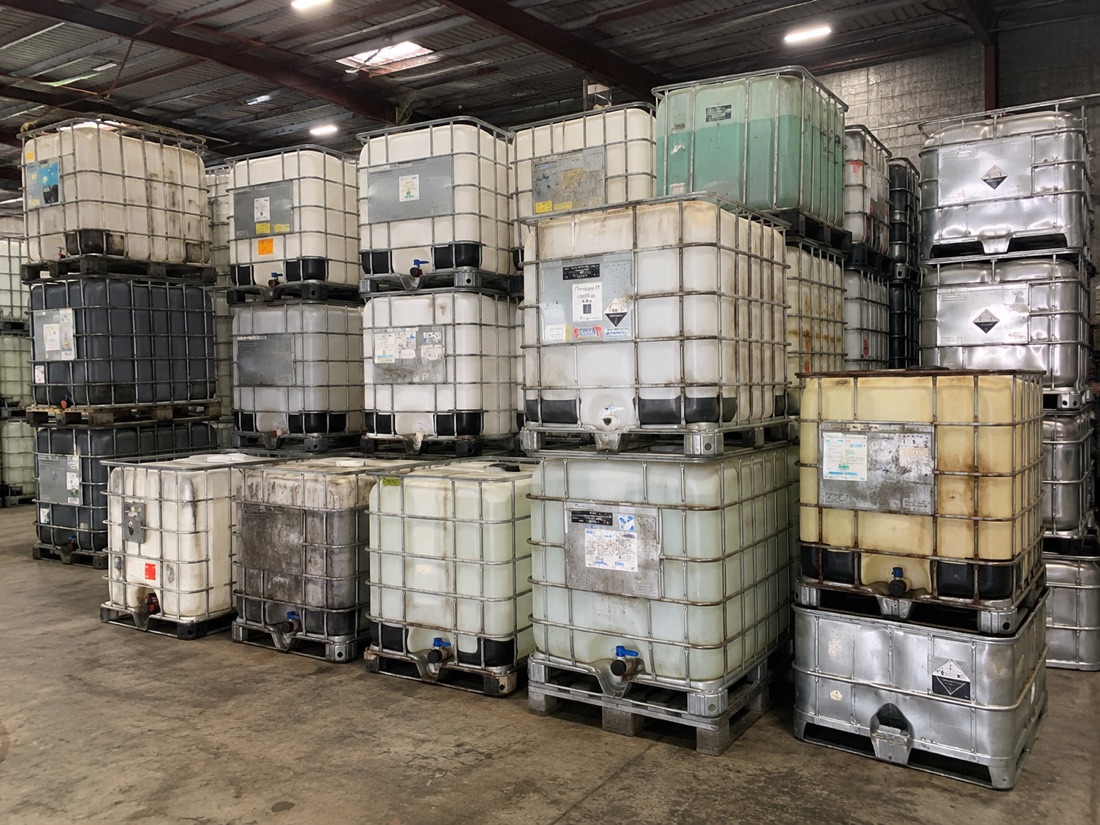
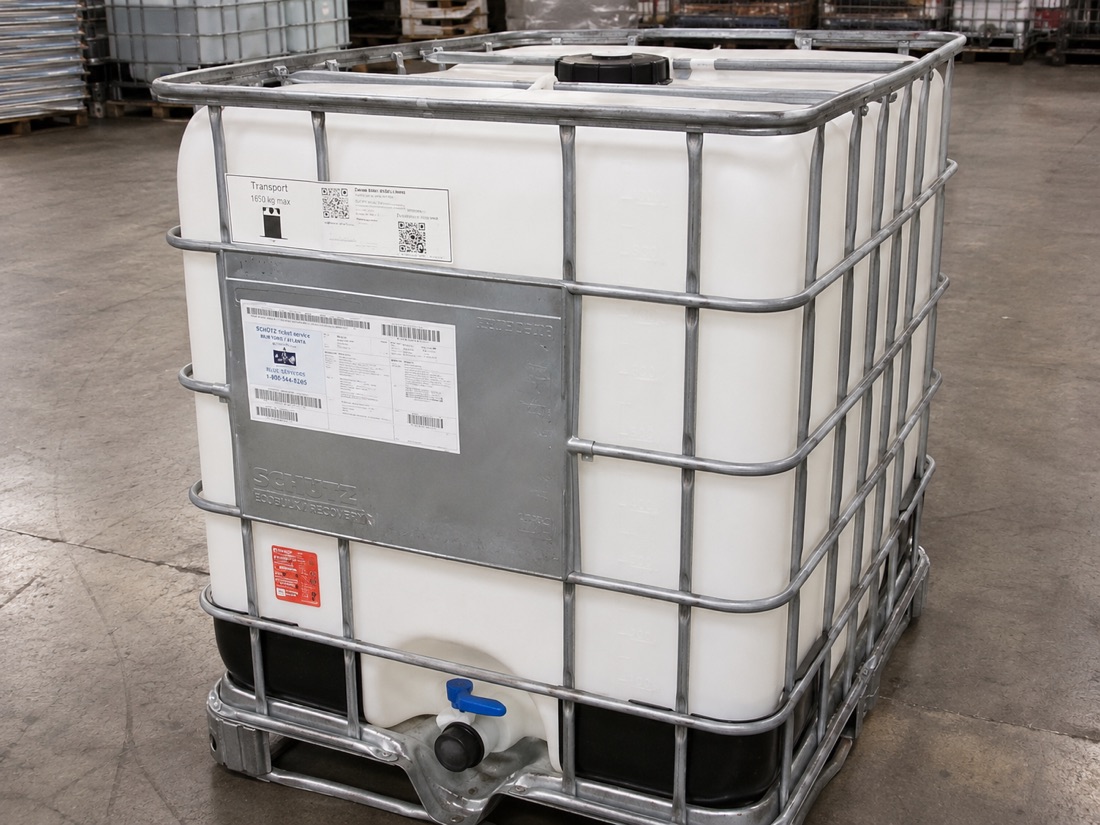
- Bottle condition. Clear, supple, unstained HDPE beats a chalky, cracked, or bulging bottle every time. This is the single biggest value driver.
- Cage and pallet condition. Straight frame, sound welds, and an intact pallet keep a tote in certifiable, stackable service.
- Valve and fittings. A working, standard valve saves the buyer a part. A missing or damaged one is a deduction.
- Volume and consistency. A palletized batch of forty matched totes is worth more per unit than four random ones, because it lowers the buyer's handling and sorting cost.
Prep that pays for itself
A little preparation moves totes up a grade, and grades are where the money is.
- Empty them completely. Residual product is a liability the buyer has to deal with, and it drags the price down. Fully drain every unit.
- Rinse if you can do it safely and legally. A triple rinse on a benign product dramatically improves a tote's grade. Never rinse or discharge anything into a drain or onto the ground; capture and dispose of rinse water properly.
- Keep the labels honest. Do not strip identifying labels. Buyers need to know the last contents to grade and price the tote. A verifiable history is worth money; a mystery tote is discounted.
- Reunite parts. Put caps back on, keep valves attached, and match bottles to their original cages and pallets.
Our grades resource explains exactly how these prep steps translate into the grade a reconditioner assigns, which is the language buyers price in.
Sort before you sell
The instinct is to sell the whole pile as one lot. Resist it. A few minutes of sorting can meaningfully raise the total.
| Sort into | Characteristics | Value tier |
|---|---|---|
| Premium | Food-grade history, clear bottle, sound cage | Highest |
| Standard | Industrial benign product, good condition | Middle |
| Repurpose only | Cosmetic or minor damage, non-critical | Lower |
| Recycle only | Cracked, contaminated, condemned | Material value |
Selling a mixed pile means the buyer prices the whole lot at the level of the worst units. Sorting lets your good totes command a good price and keeps the poor ones from dragging them down.
Choosing a buyer
Where you sell matters as much as what you sell.
Classified listings reach the widest audience but come with tire-kickers, no-shows, and the burden of arranging pickup yourself. Fine for a handful of units, painful for a yard full.
Local scrap or disposal is fast but pays material value at best, treating a reusable tote as raw HDPE and steel. This is leaving the most money on the table.
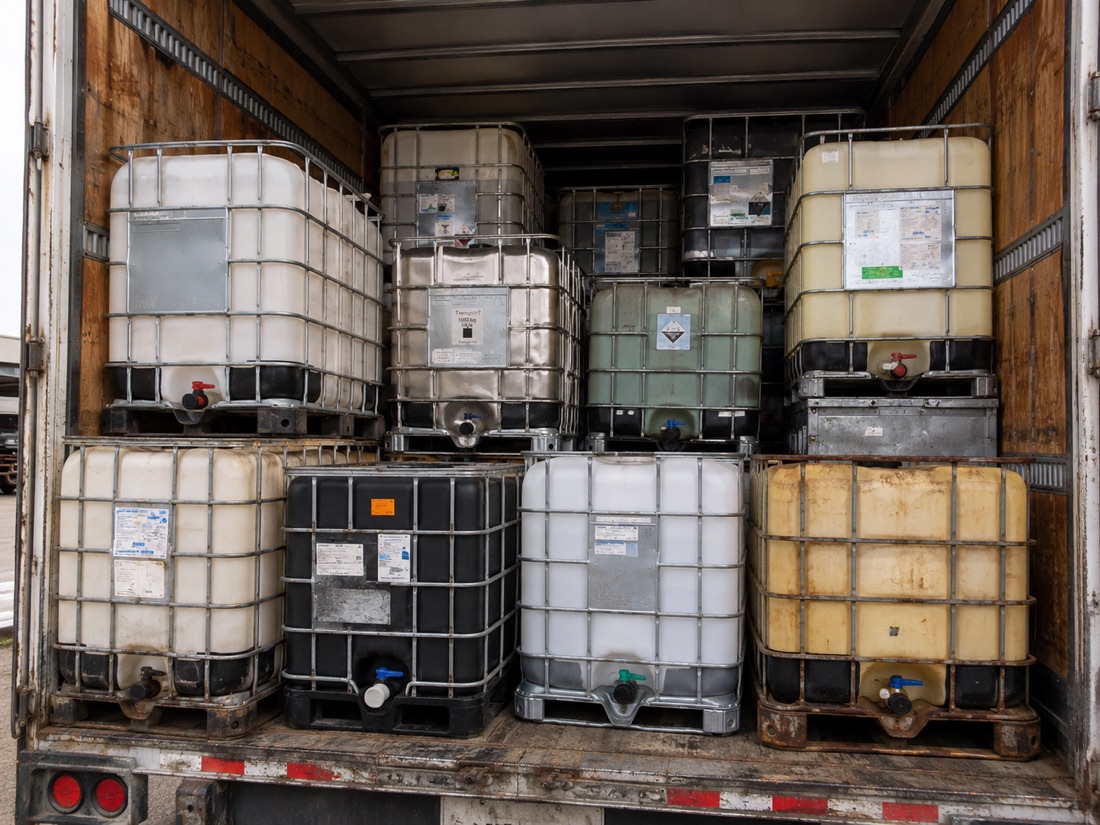
A dedicated tote buyer pays for the tote as a tote, not as scrap, and handles the logistics. When we buy through our buying service, we grade on site, price the reusable value rather than the scrap value, and arrange the transportation so the pile leaves without a hauling bill on your end.
That last point is the quiet advantage. When the buyer handles pickup, you convert a disposal cost into a payment and skip the coordination headache entirely.
Timing and volume
Two more levers worth knowing.
Accumulate to a truckload. Buyers price better per unit when a single stop clears a full or near-full truck. If you generate empties steadily, staging them until you have a meaningful batch usually beats selling in dribs and drabs.
Do not let them weather. Every month a good tote sits in the sun, its bottle chalks and its value drops. The premium tote today is a standard tote in a year of Austin summers. Sell while the condition is high.
The bigger picture
Selling your empties is the cleanest kind of win. You get paid, you clear your yard, and every reused tote is one that does not have to be manufactured new. That is the whole logic of our selling and buying programs and our broader sustainability work: the most valuable place for a sound used tote is back in service, not in a scrap pile or a landfill.
If you have empties stacking up, the worst thing you can do is nothing. Sort them, keep them dry, and get a quote. That pile behind the building is a check waiting to be cashed.